
Unbiased headlines. Facts, not spin.
Every story is an unbiased news briefing written from 110+ sources across the spectrum — sources linked so you can verify it yourself.
 economy
Notable (6/10)
July 3, 2026 at 01:36 AM
economy
Notable (6/10)
July 3, 2026 at 01:36 AM
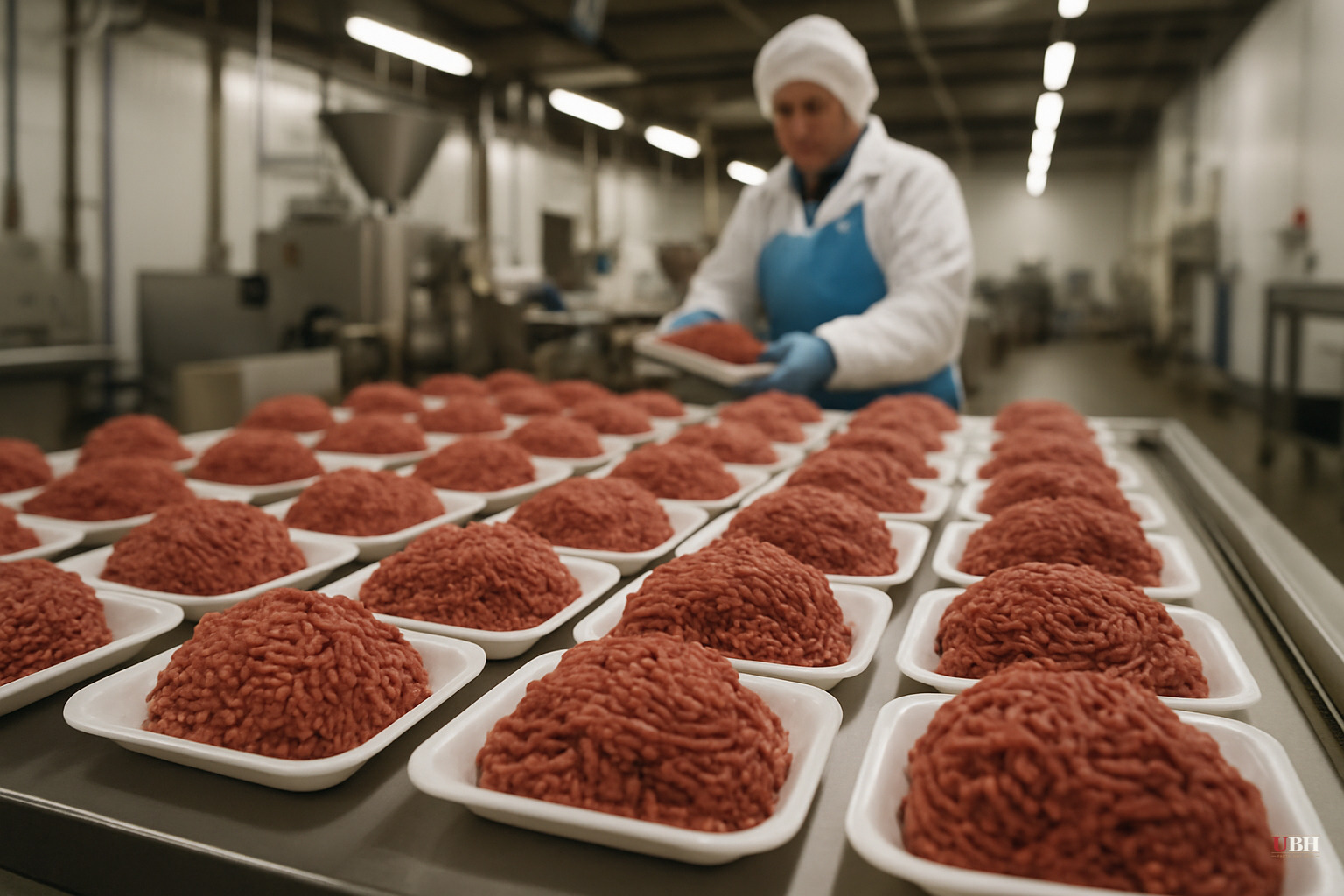
Ground Beef Averaged $6.75 Per Pound in May. Americans Are Buying More Anyway.
The Supply Problem Is Real
The math is straightforward: the U.S. cattle herd has shrunk to its smallest size in decades after years of drought and high feed costs forced ranchers to liquidate herds. Fewer cattle means less beef. Less beef means higher prices.
According to U.S. Bureau of Labor Statistics data cited by CNBC, ground beef averaged $6.75 per pound in May 2026, up nearly 13% from a year earlier. That's just below April's record high of $6.90. Beef steak averaged $12.80 per pound, up 16% year-over-year and the second-highest level on record.
Those are not rounding errors. At those prices, households are absorbing a significant year-over-year increase on every beef purchase heading into the holiday weekend.
Demand Isn't Breaking
Americans are not substituting chicken or pork in significant numbers. Beef has generated the largest dollar growth of any food category heading into Independence Day, with sales up roughly $352 million compared to last year, according to consumer research firm NielsenIQ.
Kroger told CNBC that customer demand for steaks has remained "quite high" and that beef was the preferred protein choice during Easter and Memorial Day. Omaha Steaks told CNBC that consumers are still prioritizing steak as a gift item even as they cut back on other spending.
NielsenIQ described the pattern as consumers entering the holiday "with discipline, making more trips but with clear intent behind each one."
Why People Keep Buying
NielsenIQ's framing of steak as an "affordable luxury" deserves attention. For a household that has already cut back on restaurant dinners, vacation travel, or new clothing, a good steak on the grill at home can still feel like a splurge—at a fraction of what it costs in a steakhouse. The psychological calculus makes sense even if the absolute price is painful.
Consumers aren't just buying any beef. NielsenIQ data shows shoppers increasingly prioritizing specific quality claims: USDA Prime (42%), no added hormones (40%), grass-fed (37%), and no antibiotics ever (36%). People aren't hunting for the cheapest protein. They're buying less of it, spending more on what they do buy, and caring about where it came from.
The Fair Concern
The strongest counterargument to the "demand is resilient" narrative is that aggregate dollar sales are a misleading metric when prices are up 13–16%. If prices rise 15% and unit volume stays flat, dollar sales rise 15%, but no one bought more beef. NielsenIQ's data shows dollar growth, not unit volume growth. It's a legitimate distinction. A family paying significantly more per pound can look like "strong demand" in the dollar figures while actually representing a household under real financial stress.
NielsenIQ's additional findings—the trading-up to premium and organic options, the preference for USDA Prime—suggest at least some consumers are genuinely choosing more expensive beef, not just paying more for the same thing. Some households are stretched, and others are treating grilling as a deliberate celebration.
What Comes Next
Prices eased slightly in May from April's record highs, but the underlying supply problem hasn't resolved. Rebuilding a cattle herd takes years. Ranchers can't simply plant more cattle the way a farmer can plant more corn. As CNBC notes, rebuilding the U.S. cattle herd could eventually increase beef supplies and ease prices, but that process takes years without the aid of imported supply.
At what price point demand actually breaks remains unclear. So far, $6.75-per-pound ground beef and $12.80-per-pound steak haven't done it. Whether higher prices would is something no dataset can answer in advance.
Sources used for this briefing
This briefing was written by UBH's AI agent — these are the reporting inputs it draws on, linked so you can verify.


