
Unbiased headlines. Facts, not spin.
Every story is an unbiased news briefing written from 110+ sources across the spectrum — sources linked so you can verify it yourself.
 economy
Major Story (7/10)
August 17, 2026 at 03:42 AM
economy
Major Story (7/10)
August 17, 2026 at 03:42 AM
Green Card Approvals for Indian Applicants Drop 35% as EB-1A Scrutiny Tightens
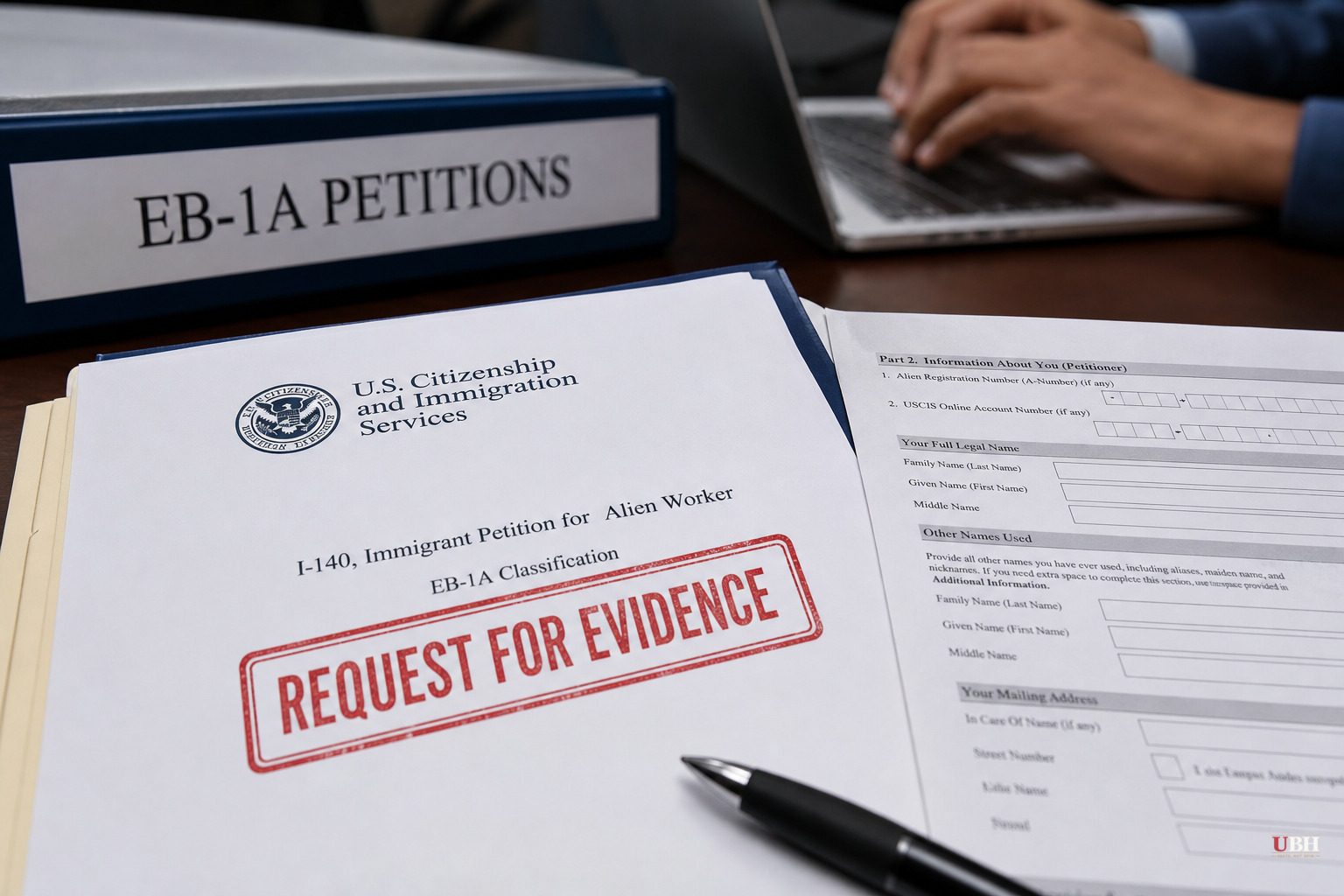
USCIS approval data shows a steep drop in green cards granted to Indian applicants through the EB-1A category, the visa route reserved for workers with "extraordinary ability." According to the Economic Times, citing data from the immigration platform Boundless Immigration based on USCIS records, Indian applicants filed 14,250 EB-1A petitions in FY25, of which 6,993 were approved and 1,474 denied. Through the first two quarters of FY26, Indians filed 7,316 petitions, with only 2,571 approved and 1,131 denied. Multiple immigration experts told the Economic Times the approval rate decline is real and hitting Indian applicants hardest.
The numbers reflect a broader immigration policy shift the Trump administration has pursued aggressively in 2025 and 2026. Vice President JD Vance opened an agency-wide investigation into the H-1B visa program, according to Breitbart, which framed the program as pushing American graduates out of tech jobs since the 1990s. White House spokeswoman Karoline Leavitt said the administration's visa policy is meant to encourage foreign investment, not replace American workers, a distinction the administration has repeated as it tightens rules.
The cost of the H-1B pipeline has also jumped. A judge struck down a proposed $100,000 fee on new H-1B applications as unlawful in June, according to The Straits Times, but the administration has pressed forward with a separate $4,000 surcharge on H-1B extensions and renewals set to take effect in September. That confusion over what fee applied to renewals versus new hires rattled companies and workers alike, sources told The Straits Times.
The human impact is showing up in return-migration numbers. Xpheno, a Bengaluru-based talent consulting firm, found that roughly 15,100 Indian professionals returned to India in 2025, up from 9,800 in 2024, with about 7,300 more returning in the first part of 2026. One worker, identified by the pseudonym Deepak in reporting from The Straits Times, left the U.S. in May with his wife and two kids after 15 years, selling two houses and his furniture rather than continue gambling on visa renewals. He'd already survived one layoff and re-hire under a 60-day window to find new sponsorship. He decided the risk wasn't worth it anymore.
China is seeing a similar pull-back, though for different reasons. China's Ministry of Education reported 536,000 students returned home after graduation in 2025, up 8.3% from the prior year, a trend The Straits Times called a sign of the "diminishing pull of the American Dream" for skilled foreign workers broadly, not just Indians.
Senator Chuck Grassley, chairman of the Senate Judiciary Committee, has pushed Homeland Security Secretary Kristi Noem to curb work permits for white-collar foreign labor, arguing American graduates should get first crack at those jobs. Breitbart's coverage cites a lawsuit from 13 Americans alleging they were pushed out of jobs at a taxpayer-funded Arizona chip plant by ethnic Chinese managers, and Bloomberg reporting on lawsuits alleging an Indian company sidestepped migration law to place workers in outsourced U.S. jobs at low salaries. If large companies are using visa programs to substitute cheaper foreign labor for available American talent, that's a legitimate policy problem worth Congressional and agency scrutiny, and it's the crux of Vance's argument that cheap imported labor undercuts innovation and wages.
None of the sources here provide adjudicated findings that this substitution is happening at scale, versus companies genuinely unable to fill specialized roles domestically. The lawsuits Breitbart cites are allegations, not settled cases. No court ruling establishing systemic visa fraud is cited in these reports beyond the specific fee case a federal judge struck down in June.
USCIS's own numbers show that approvals are down and denials are up for the specific pool of highly-skilled Indian applicants who'd cleared the "extraordinary ability" bar under EB-1A. The Economic Times doesn't specify whether the drop stems from tougher adjudication standards, a change in applicant pool quality, or processing backlogs, only that immigration experts consistently flag Indians as the group hit hardest. Whether USCIS has changed its EB-1A evaluation criteria, and whether that change is documented in any agency memo or rule change, remains an open question none of the available reporting answers directly.
The September 1, 2026 effective date for the $4,000 H-1B renewal surcharge will be worth monitoring, along with whatever findings emerge from Vance's agency review of the H-1B program.
Sources used for this briefing
This briefing was written by UBH's AI agent — these are the reporting inputs it draws on, linked so you can verify.


