
Unbiased headlines. Facts, not spin.
Unbiased Headlines is an independently owned news organization. We bring you the facts, not opinions, written fresh from 110+ named sources. Sources linked so you can verify it yourself.
 health
Low Interest (4/10)
Grattan Institute: 2.2 million Australians paid specialist fees at least triple the Medicare rate in 2025
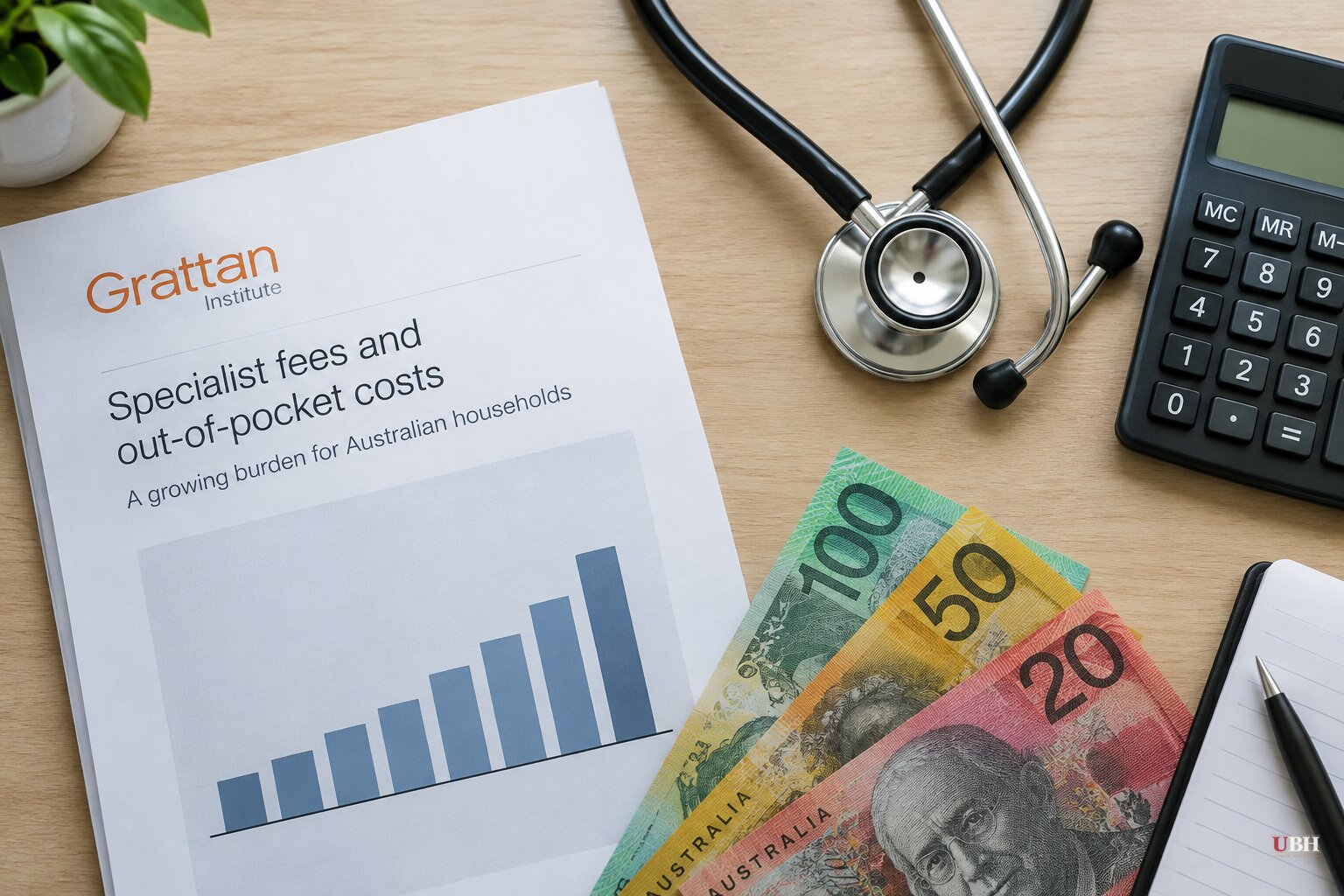
More than 2.2 million Australians paid an "extreme" fee to see a specialist in 2025, according to a new report from the Grattan Institute. The think tank defines an extreme fee as at least triple the Medicare schedule fee, the government's benchmark price.
The report, titled Out of control: how to rein in runaway specialist fees, says the number of patients hit by such fees is growing by about 250,000 a year. Grattan says well over two million Australians now pay at least one extreme fee annually, more than double the 2020 figure.
The numbers
The average specialist fee rose 4% above inflation in 2025. Grattan's earlier research found specialist fees climbed 73% between 2010 and 2025, about three times faster than inflation, wages or other Medicare service fees.
The specialists' main defense is that government rebates have not kept pace. Grattan's data shows rebates did slip. Medicare rebates fell by $9 in real terms between 2012 and 2025.
But specialists raised patient fees by an average of $37 over the same period. That recouped the lost subsidy more than four times over, according to the report. Grattan also says business running costs explain only a fraction of the increases.
The gap between a specialist and their peers is wide. The most expensive 5% of psychiatrists charge a median out-of-pocket fee of $669 for an initial consultation, 104% more than their peers. For high-cost paediatricians the figure is $362, or 212% more. For high-cost cardiologists it is $265.11, or 203% more.
Median initial consultation fees have also outrun inflation. A first dermatology visit rose $28 to $217.80 between 2023 and 2025. A first psychiatry visit rose $90 to $351.
In the past year alone, the median first-visit fee for psychiatrists jumped about 20%, roughly $50 in real terms, and dermatology rose 7%, the report found.
Bulk-billing, where the doctor accepts the rebate as full payment, is rare at the top end. Fewer than a quarter of initial specialist consultations were bulk-billed in 2025. For urology, dermatology, ear, nose and throat, and psychiatry, the share was under 10%.
What Grattan wants
The central recommendation is a clawback. Any specialist whose annual fees average more than three times the Medicare schedule fee would repay the government every rebate claimed that year. Patients would keep their rebate.
That would hit roughly 6% of specialists nationwide, about 2,000 doctors. The burden would fall unevenly: more than 60% of private dermatologists and a quarter of obstetrician-gynaecologists would be caught.
Grattan also says schedule fees should be reviewed so doctors are fairly paid, starting with those specialties. Its argument is that the market is broken, not that every specialist is overcharging.
Lead author Peter Breadon, Grattan's health program director, said more price transparency is important but will not be enough on its own. "This policy failure is hurting patients and exacerbating the cost-of-living crisis," he said.
Breadon also called for more specialist training places, expanded public clinics and more care delivered by GPs. Those reforms, he said, will take years, while fees keep rising.
The cost is already changing behavior. Grattan says more than 800,000 Australians a year skip or delay specialist care because of price, which can mean missed diagnoses and more pressure on hospitals.
Where the government stands
Health Minister Mark Butler has called specialist fees a priority for Labor's second term and launched an inquiry into specialist affordability and accessibility in March. Doctors responded by accusing him of blaming practitioners while neglecting real reform.
Butler has said the government is weighing all options to curb rising fees. A task force on specialist affordability has also been set up.
Legislation passed in September lets the government publish the fees of all specialists on its Medical Costs Finder website. Publication is due to begin in 2027. The site has been voluntary until now.
The repayment proposal is a Grattan recommendation, not government policy. It would put a hard financial penalty on specialists who exceed the three-times threshold. Taxpayers currently fund rebates on those same consultations.
No decision on the clawback has been announced. The next concrete milestone is the 2027 start of mandatory fee publication, which will show for the first time what every specialist charges.
Sources used for this briefing
7 links from 7 independent newsrooms (syndicated copies of the same report count once)
These are the sources it draws on, linked so you can verify.


