
Unbiased headlines. Facts, not spin.
Every story is an unbiased news briefing written from 110+ sources across the spectrum — sources linked so you can verify it yourself.
 economy
Notable (5/10)
July 17, 2026 at 10:31 PM
economy
Notable (5/10)
July 17, 2026 at 10:31 PM
GOP Congressman Presses DOJ and FTC on Two Firms That Control 90% of Proxy Advisory Market
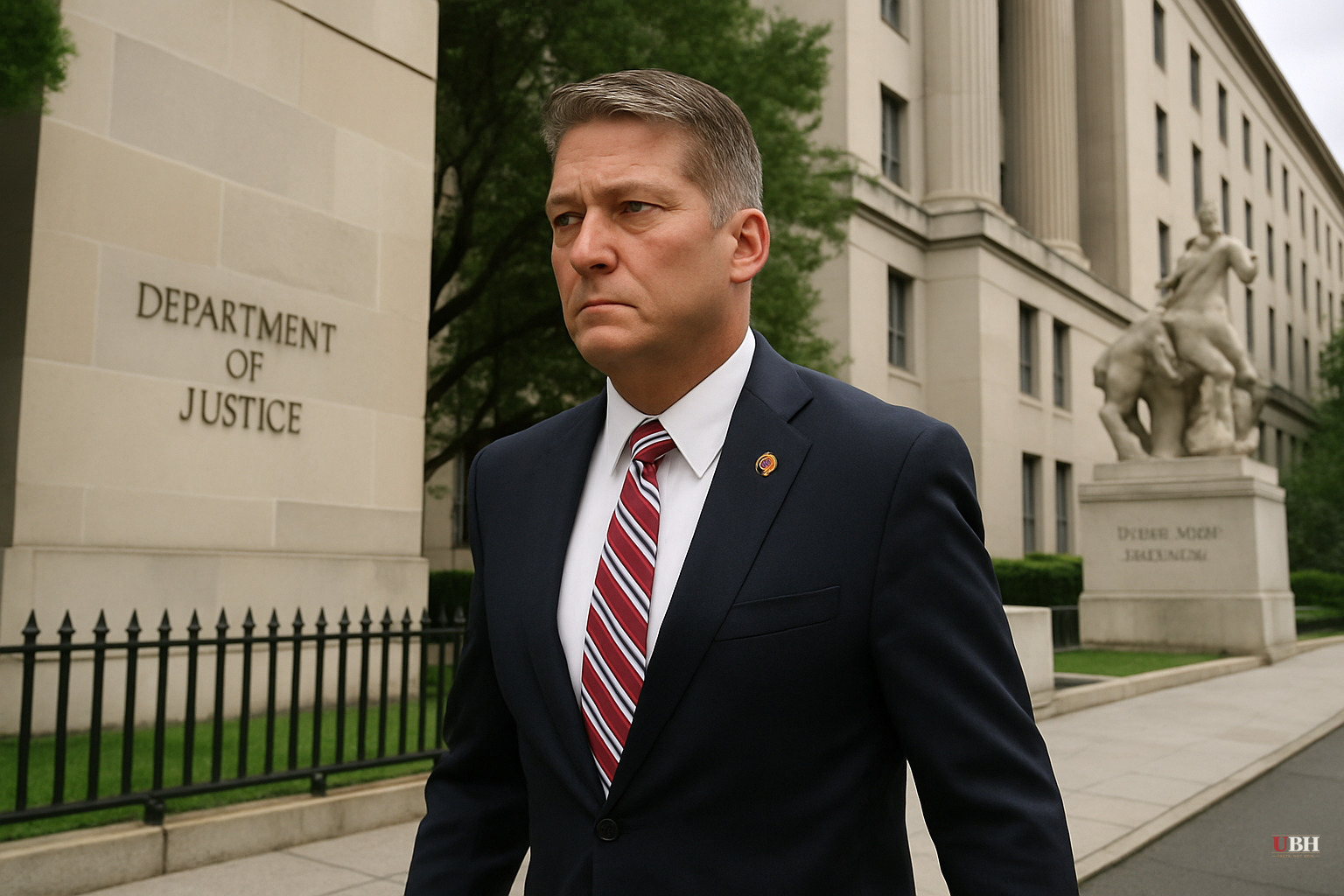
Rep. Ronny Jackson, R-Texas, sent a letter to Deputy Attorney General Todd Blanche and Federal Trade Commission Chairman Andrew N. Ferguson demanding an update on a federal investigation into two companies that control more than 90% of the proxy advisory market, according to the Daily Signal, which obtained the letter.
The companies are Institutional Shareholder Services Inc., known as ISS, and Glass Lewis. If you own stock through a mutual fund, pension fund, or 401(k), one of these two firms is likely advising the fund manager on how to vote your shares on corporate matters, from board elections to climate and diversity resolutions.
"Two foreign-owned proxy advisory firms have used their 90% market share to impose radical diversity quotas and net-zero mandates on American companies," Jackson told the Daily Signal. "ISS and Glass Lewis have become socialist political activists, putting woke DEI and Green New Scam policies ahead of shareholder returns. Americans want capitalism, not corporate terrorism."
The Exxon Dispute
The letter zeroes in on a specific case. ISS and Glass Lewis both recommended that shareholders oppose ExxonMobil's decision to move its legal domicile to Texas, according to the Daily Signal, even though the company has operated out of Texas since 1989.
Jackson argues the two firms had a conflict of interest they didn't disclose. Both companies are currently in litigation against the state of Texas and Attorney General Ken Paxton over a Texas Senate bill that regulates proxy-advisor conduct. Jackson's letter says the firms sued the state over that law, and then turned around and recommended against a major Texas company's redomiciliation, without flagging the pending legal fight as a potential conflict.
If a company advising shareholders on corporate governance is simultaneously suing the state whose law it's fighting, and then recommends against a move that would benefit that same state, shareholders arguably deserve to know about that entanglement before trusting the recommendation.
What the Executive Order Actually Did
This isn't a new fight. President Donald Trump signed an executive order on Dec. 11, 2025, titled "Protecting American Investors From Foreign-Owned and Politically Motivated Proxy Advisors," according to the Daily Signal. That order directed federal agencies to review proxy-adviser regulations, examine potential antitrust concerns, and investigate whether ISS and Glass Lewis were advancing DEI and ESG activism at the expense of investor returns. It told agencies to act if warranted.
Jackson's letter, roughly seven months later, is essentially asking: what happened to that investigation? No public findings, charges, or enforcement actions against ISS or Glass Lewis have been announced as of this writing. There's no indication the DOJ or FTC has concluded any wrongdoing, or cleared the firms of it either. The review Trump ordered appears to still be pending, at least publicly.
The Case for Skepticism
Proxy advisors wield enormous influence with very little public accountability. Most fund managers, especially smaller ones without large in-house research teams, lean heavily on ISS and Glass Lewis recommendations when voting shares on behalf of millions of retail investors' retirement accounts. When two firms control the overwhelming majority of that market, their judgment calls function almost like binding guidance, even though they're private companies with their own institutional incentives.
If those firms are systematically recommending against fossil fuel expansion, against corporate relocations to Republican-led states, or in favor of diversity mandates regardless of a company's specific financial circumstances, that's a fair thing for regulators and lawmakers to scrutinize. Shareholders are entitled to advice focused on returns, not on a firm's separate political or legal agenda.
At the same time, ISS and Glass Lewis have not been charged with any wrongdoing, and no findings have been made public establishing that their Exxon recommendation was driven by the Texas litigation rather than independent governance analysis. Jackson's letter lays out an allegation and a timeline that raises real questions, but it is an allegation, not a proven conflict of interest. The proxy advisors have not yet responded to Jackson's specific characterization in this letter, and whether they've offered a defense of the Exxon recommendation on the merits remains unclear from available reporting.
What Comes Next
The DOJ and FTC have not publicly stated where the review ordered by Trump's December executive order currently stands. Jackson's letter asks both agencies directly for an update. Whether they respond, and what they find if the investigation is still active, will determine whether this turns into an antitrust case, a disclosure rule change, or nothing at all.
Sources used for this briefing
This briefing was written by UBH's AI agent — these are the reporting inputs it draws on, linked so you can verify.


