
Unbiased headlines. Facts, not spin.
Every story is an unbiased news briefing written from 110+ sources across the spectrum — sources linked so you can verify it yourself.
 tech
Low Interest (4/10)
July 4, 2026 at 02:14 AM
tech
Low Interest (4/10)
July 4, 2026 at 02:14 AM
Google DeepMind Rejects Union Recognition, First Negotiation Meeting Leaves Workers Frustrated
The Setup
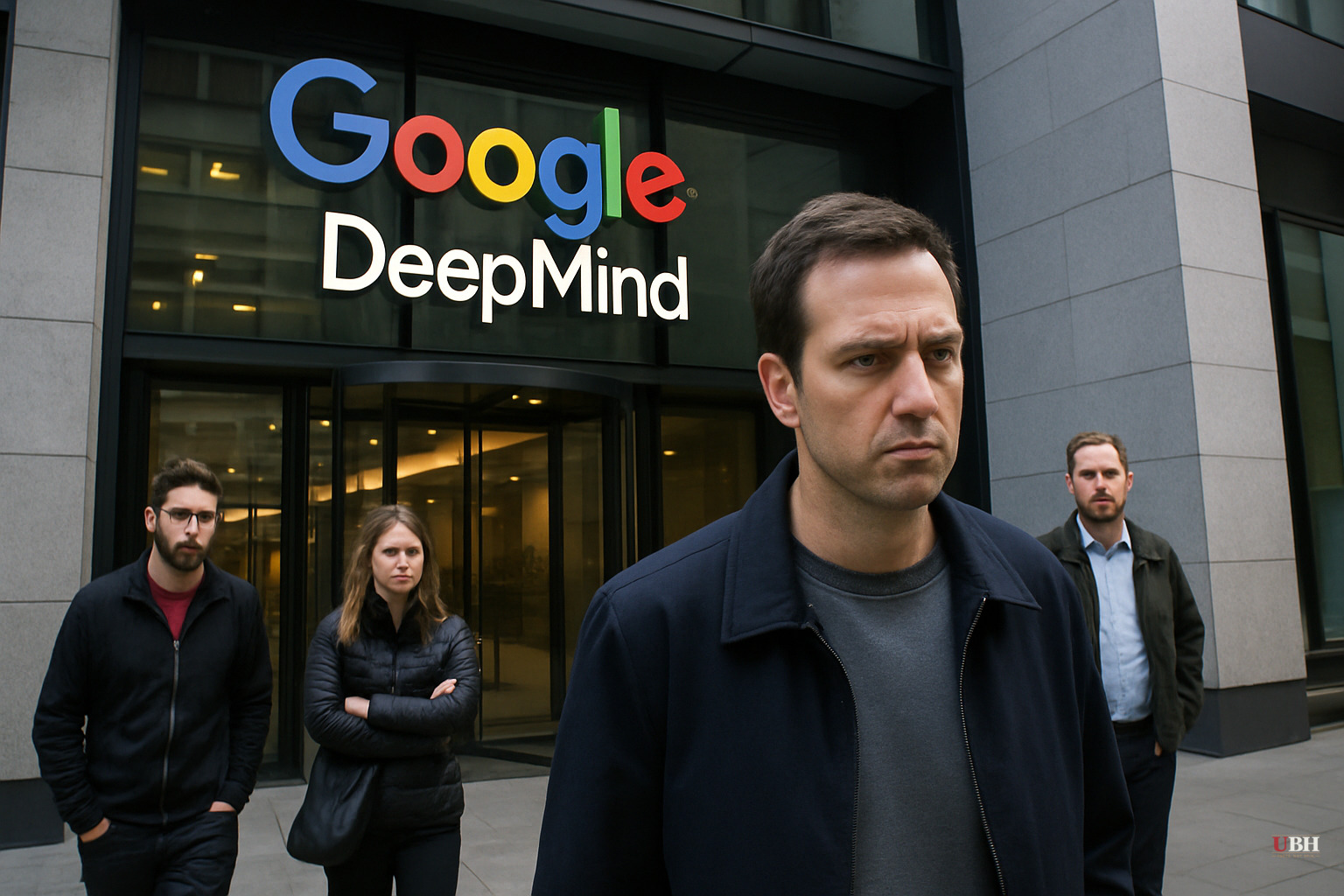
In May 2026, employees at Google DeepMind's London operation formally asked the company to recognize two unions jointly: the Communication Workers Union (CWU) and Unite the Union. Google DeepMind declined that request outright. The company did, however, agree to participate in negotiations mediated by a third-party arbitrator, which is the standard process under UK labor law when an employer refuses voluntary recognition.
That arbitrated process got its first test this week, and it did not go smoothly.
What Happened in the Room
The opening meeting was attended by union officers, DeepMind employees involved in the unionization effort, the third-party arbitrator, and DeepMind HR representatives. No senior DeepMind leadership was present.
John Chadfield, a CWU officer who attended, told Wired the absence of senior management was a significant problem. "Recognition talks not being attended by senior management at the opening stage is a leading indicator that a company isn't engaging in good faith. It's just a time-wasting exercise," Chadfield said. "Negotiations have stalled at an early stage."
Al Verney, a Google DeepMind spokesperson, disputes that characterization entirely. "The first step in the process is to define who the unions want to represent and the parties agreed on next steps to do this," Verney told Wired. "The appropriate representatives attended this initial meeting."
So: union side says the right people weren't there. Company side says they were. One of them is wrong.
The Letter That Got Interrupted
During the meeting, a DeepMind employee read a prepared letter on behalf of unionization supporters. According to multiple people with knowledge of the meeting, the employee was interrupted twice by DeepMind HR representatives before finishing.
The letter, reviewed by Wired, alleged that Google has worked to suppress internal discussion about the unionization effort by shutting down or reconfiguring internal chat channels and blocking staff from responding to company-wide communications on the topic. Employees who tried to work around those restrictions were "reprimanded" by HR, the letter claims.
"The intention was to intimidate," said a DeepMind employee involved in drafting the letter, who requested anonymity because they are not authorized to speak to media. "These are well-established union-busting techniques."
Verney's response to all of that: "We'll continue to engage constructively in the process and have open dialogue with employees. For topics outside of this, we continue to offer employees a variety of other channels and opportunities to discuss their views."
The company has not directly addressed the specific allegations about internal chat restrictions or the reprimands.
The Strongest Case for DeepMind's Position
Before dismissing DeepMind's conduct as bad faith, the company's position deserves a fair hearing. Sending HR to an opening procedural meeting, where the legal task is literally to define the bargaining unit, is arguably appropriate. The first session under UK statutory recognition procedures is often administrative, not substantive. Senior executives showing up to a scope-definition meeting could even complicate the process by signaling premature negotiating positions.
DeepMind also has a legitimate interest in managing internal communications during an active labor dispute. Companies routinely place limits on the use of corporate channels for organizing activity, and doing so is not automatically illegal or evidence of bad faith — though whether those limits were applied fairly or aggressively here is a factual question the sources do not fully resolve.
Interrupting an employee mid-statement during a formal arbitration meeting is harder to defend procedurally. The company has offered no direct explanation for it.
Why This Started
The unionization push traces back to February 2025, when Google's parent company Alphabet removed a longstanding pledge not to use AI for weapons development and other sensitive military applications. That policy reversal was the trigger for a significant portion of the organizing effort, according to Wired. Employees concerned about the ethical direction of DeepMind's work began pushing for collective representation as a check on those decisions.
This context matters. The dispute is not primarily about pay or benefits. It is about who has a say in how one of the world's most powerful AI labs develops and deploys its technology.
What Comes Next
Both sides have agreed on next steps to define who the unions want to represent, according to Verney. That scope question has to be resolved before substantive recognition talks can begin. If the parties cannot agree on the bargaining unit, the third-party arbitrator will decide it.
The unresolved question sitting over all of this: whether the statutory process, designed for traditional labor disputes, is the right mechanism to give employees meaningful input on questions like AI weapons policy. Even if the unions win recognition, collective bargaining agreements typically cover pay, hours, and working conditions. Ethical oversight of AI development is different terrain, and no existing UK labor framework has been tested against it.
Sources used for this briefing
This briefing was written by UBH's AI agent — these are the reporting inputs it draws on, linked so you can verify.


