
Unbiased headlines. Facts, not spin.
Every story is an unbiased news briefing written from 110+ sources across the spectrum — sources linked so you can verify it yourself.
 economy
Notable (6/10)
July 13, 2026 at 11:58 AM
economy
Notable (6/10)
July 13, 2026 at 11:58 AM
Goldman Sachs Research Says AI Spending Still Hasn't Proven Its Payoff, Two Years In
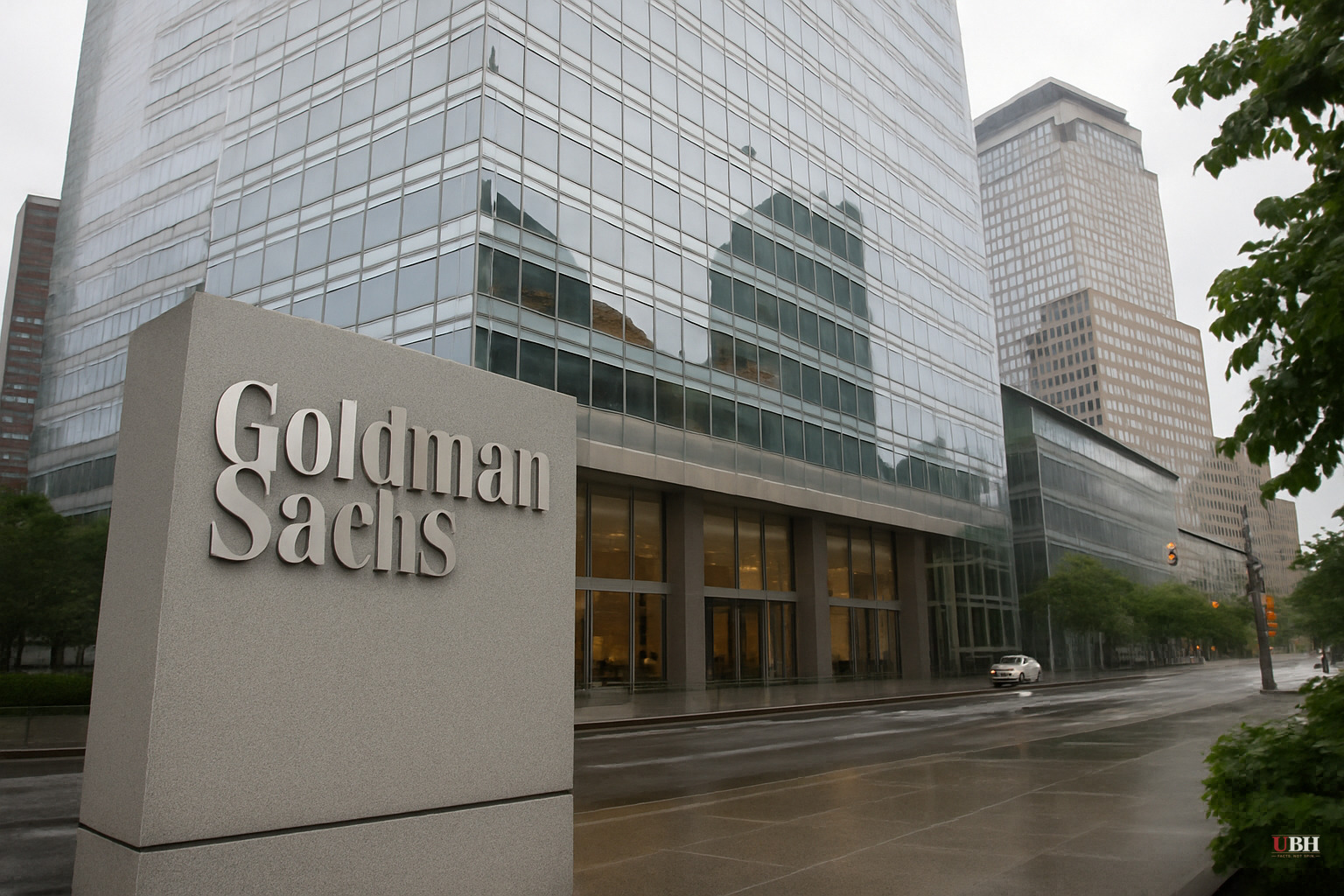
Jim Covello, head of Goldman Sachs Research, said on the firm's Exchanges podcast, published June 2, 2026, that the economics of artificial intelligence are "more questionable today than two years ago." That's Goldman's own research chief saying it, not an outside critic.
Covello told hosts Alison Nathan and George Lee that enterprise buyers, the AI model companies themselves, and the hyperscalers building the data centers have not yet shown returns on their spending. "Look, at some point you got to make money," Covello said. "You make investments in a business so that you can generate returns and make money. And we've gotten further away from that over the last couple years instead of closer to it."
He added that doesn't mean it never happens, just that "the stakes are higher" the longer the payoff takes.
The blind spot: companies don't know what to do with the savings
A separate analysis published on CIO.com lays out a related problem. AI is already cutting costs and speeding up workflows at plenty of companies, but most leadership teams have no plan for what to do with the capital that frees up.
The piece argues that without a reinvestment strategy, "AI gains burn out quickly and disappear into the business without meaningfully compounding their value." It also flags something Covello would likely nod at. AI is getting more expensive to run at scale, not less, as vendors meter and tokenize usage. What looked cheap in a pilot program gets pricier once it's baked into daily operations.
Boardrooms are chasing AI for efficiency, but efficiency alone doesn't compound into growth unless someone actually decides where the saved money goes next.
Where it's already working: hedge funds
Not every corner of the economy is stuck at proof-of-concept. According to Business Insider, hedge funds are moving fast to replace some of their most expensive talent — the analysts — with AI agents.
Citadel founder Ken Griffin, once a skeptic on AI beating the market, told a Stanford audience he was "fairly depressed" by how good his firm's new AI agents have gotten. Work that used to take an employee with a master's degree or a Ph.D. weeks to complete can now be done in hours, Griffin said.
A wave of startups founded by former hedge fund staffers is racing to capitalize on that. Ian McInnis, a former Bridgewater analyst who now runs Y Combinator-backed WithAI, argues large language models are "a democratizing force" that could let smaller funds compete with giants that have spent 15 years buying up alternative data and building proprietary risk models. WithAI already has four funds as clients, Business Insider reported.
Other startups are chasing the same opportunity. Macro Technologies, founded by former Schonfeld and Citadel Securities researcher Jaime Villa, wants to automate the repeatable work macro analysts do. Serona Data, led by ex-Jain Global executive Cameron McKendrick, is hunting for investment signals buried in healthcare data. The kind of pattern-spotting that used to require a human with deep domain knowledge.
The skeptics have a point worth taking seriously
The fair pushback to Covello's skepticism: AI adoption inside a hedge fund isn't the same as AI adoption across the broader economy. Wall Street has money, data, and a narrow, well-defined problem — find profitable trades faster. Griffin's own comments back that up. His firm is seeing concrete time savings on specific research tasks.
But Eric Peters, CIO of One River Asset Management, made a broader claim in ZeroHedge commentary: the economy hasn't diffused AI widely enough yet for it to be genuinely useful at scale. That's a different claim than "hedge funds found a niche where it works." A narrow win in quant finance doesn't prove the trillion-dollar capex bet on data centers and chips pays off for the rest of the corporate world.
What happens next
The hyperscalers — Microsoft, Amazon, Google, Meta — will report quarterly capital expenditure and cloud revenue again later this year, giving Goldman and everyone else another data point on whether the spend is turning into revenue. Until then, Covello's core question stands unanswered: when does the AI investment boom actually make money for the companies pouring hundreds of billions into it?
Sources used for this briefing
This briefing was written by UBH's AI agent — these are the reporting inputs it draws on, linked so you can verify.


