
Unbiased headlines. Facts, not spin.
Every story is an unbiased news briefing written from 110+ sources across the spectrum — sources linked so you can verify it yourself.
 economy
Notable (6/10)
July 8, 2026 at 03:08 PM
economy
Notable (6/10)
July 8, 2026 at 03:08 PM
Goldman Sachs Forecasts Mortgage Rates Above 6% Through 2027, With Home Prices Still Rising
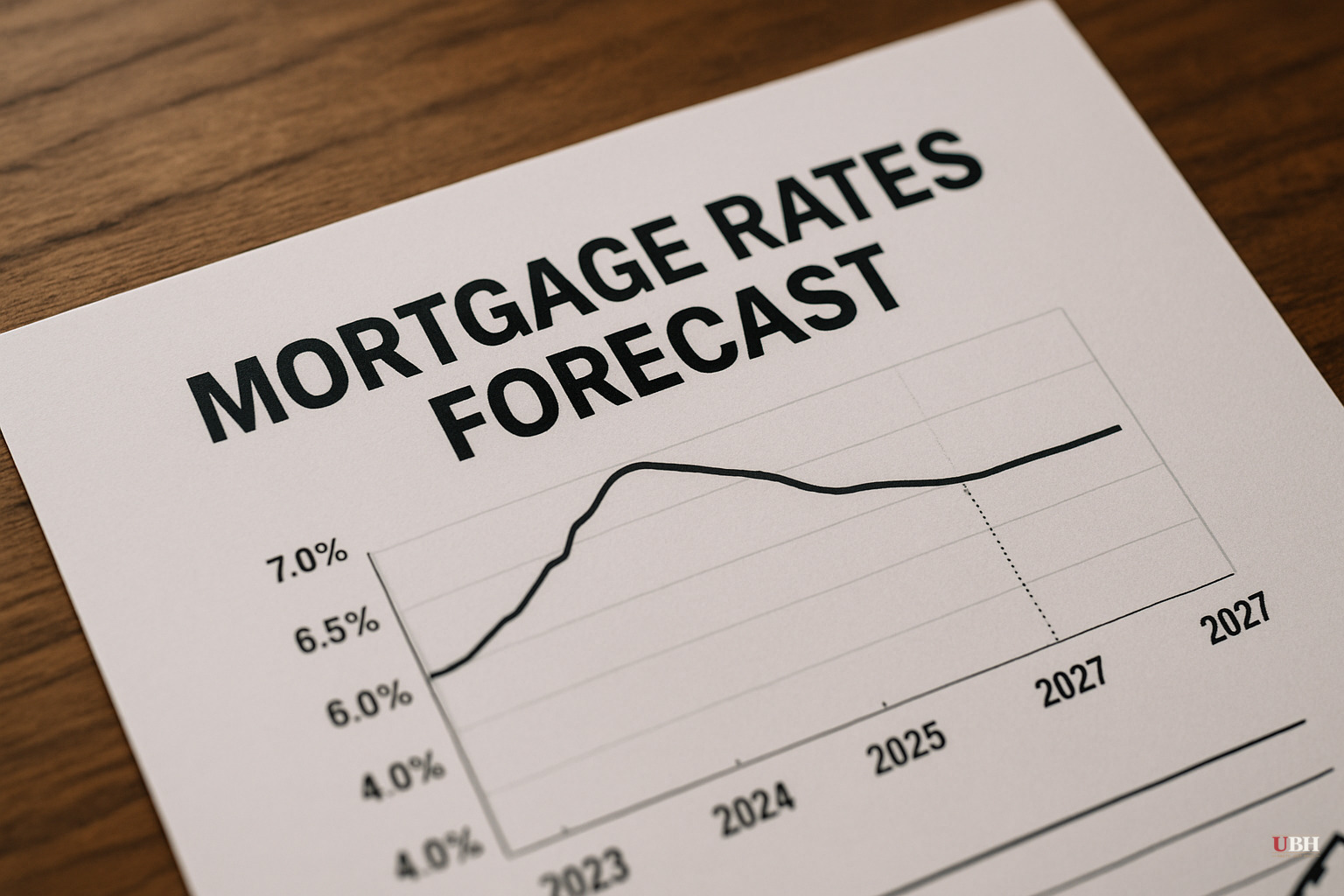
Goldman Sachs has released a mid-year outlook that closes off the two escape routes buyers have been banking on: lower rates and falling prices.
Goldman economist Ronnie Walker projects the 30-year fixed mortgage rate will finish 2026 at 6.43% and average around 6.3% in 2027. Those are not projections pointing toward relief. They are projections pointing toward a prolonged stalemate.
What the Numbers Actually Say
Residential fixed investment contracted 8% annualized in Q1 2026, according to Walker's note, and fell an estimated 5% annualized in Q2. Walker attributes the Q1 drag partly to poor weather and a sharp rebound in mortgage rates. The rate spike traces to March, when markets repriced in response to the Iran War, rising oil prices, and the prospect of Federal Reserve rate hikes.
"We expect housing demand to remain tepid," Walker wrote.
The Lock-In Problem Has Not Gone Away
The structural issue underneath all of this is the mortgage rate lock-in effect, and it is massive. According to Walker's analysis, almost 80% of existing mortgage borrowers hold rates below current market rates. Almost 60% hold rates more than 2 percentage points below current rates, the result of mortgage borrowers refinancing at low rates en masse in 2020 and 2021.
Those homeowners are not selling. Trading a low locked-in mortgage rate for a 6.4% mortgage on a more expensive house means a dramatically higher monthly payment for the same or less square footage. Until that math changes, existing inventory stays thin, which keeps prices from correcting even as demand softens.
Walker describes this as a "lock-in" effect: homeowners face a significant financial cost to moving, as buying a new home would require prepaying their current mortgage and taking out a new one at a significantly higher rate.
Prices Are Not Falling
National home prices are still expected to rise modestly despite the demand softness, according to Walker's forecast. That combination—weak demand, limited supply, flat-to-rising prices—is what makes the current market so punishing for first-time buyers and anyone without equity to roll over from a previous sale.
Buyers who have been waiting for a price correction are not irrational for doing so, but Walker's outlook suggests they are in for another year of disappointment.
Existing Home Sales Stuck at Historic Lows
As a result of the lock-in effect, Walker expects existing home sales to total just 4.2 million in 2026, which is 22% below 2019 levels but a touch above the pace of the last two years. Next year, existing home sales are expected to edge up to roughly 4.3 million, reflecting both modestly lower mortgage rates and the natural decay of the lock-in effect.
On the new construction side, Walker expects single-family housing starts to total 0.92 million this year (versus 0.94 million in 2025), ending the year around a 0.93 million annualized pace—still averaging 4% above 2019 levels despite mortgage rates roughly 3 percentage points higher than then.
Demand Headwinds Are Structural, Not Cyclical
Walker's outlook flags weak income growth and reduced immigration as ongoing drags on household formation, which his model estimates at about 1.0 million per year for the next few years—below recent trends. On the positive side, domestic demographic trends remain supportive and survey-based measures of purchase intentions have improved over the last year.
For would-be buyers sitting on the sidelines, the unresolved question Walker's forecast leaves open is this: if rates stay above 6% through 2027 and prices keep rising modestly, at what point does waiting cost more than buying at today's elevated rates? That calculation will vary by market and buyer, but it is the one decision millions of Americans are making—or deferring—right now.
Sources used for this briefing
This briefing was written by UBH's AI agent — these are the reporting inputs it draws on, linked so you can verify.


