
Unbiased headlines. Facts, not spin.
Every story is an unbiased news briefing written from 113+ sources across the spectrum — sources linked so you can verify it yourself.
 health
Notable (6/10)
September 29, 2026 at 11:54 PM
health
Notable (6/10)
September 29, 2026 at 11:54 PM
GLP-1 Pens Are Cutting Sanitation Workers, While Lawsuits Claim Ozempic Makers Hid Vision Loss Risk
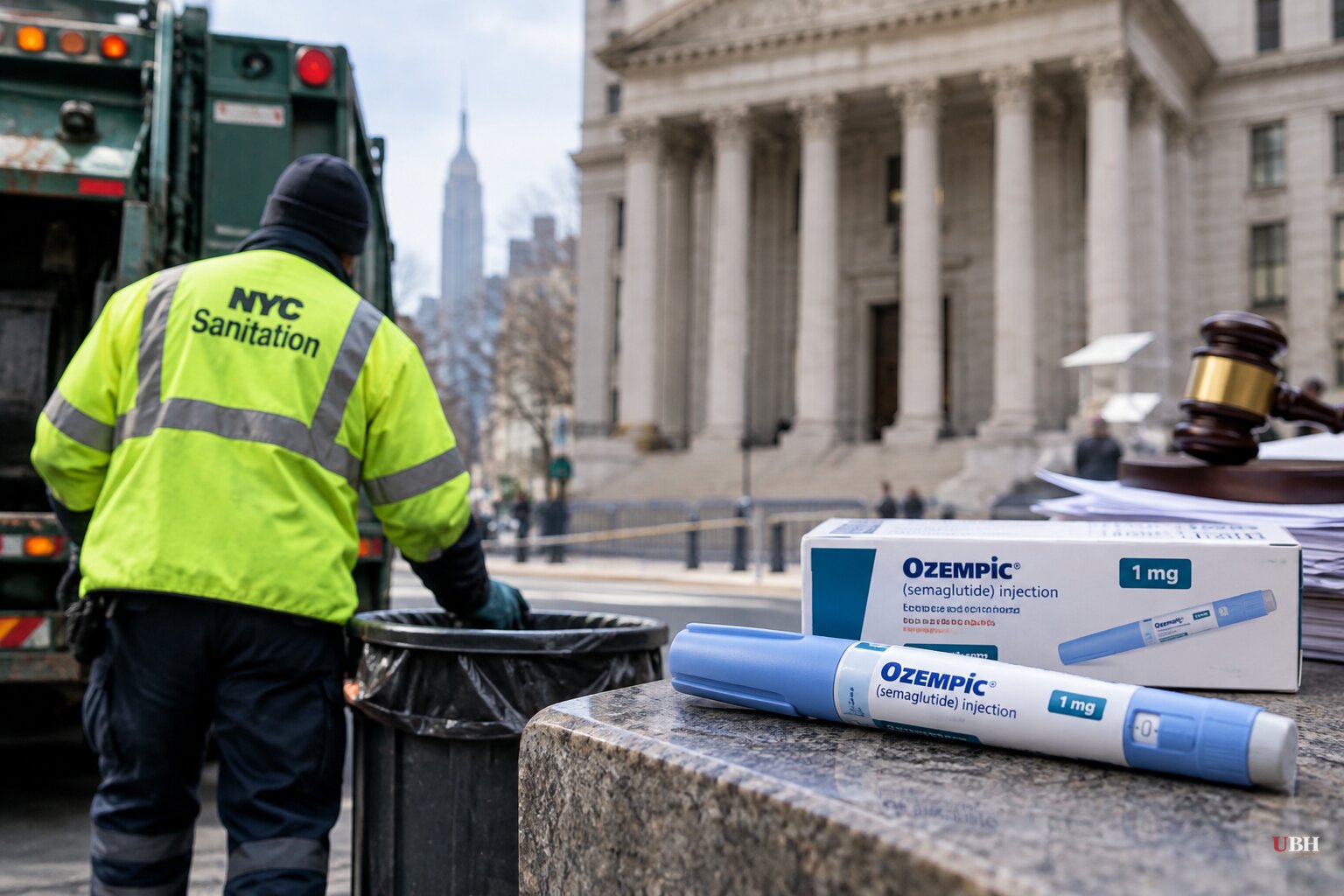
Ozempic, Wegovy, Mounjaro and the rest of the GLP-1 weight-loss and diabetes drug class have become a fixture in American medicine cabinets. Two separate stories this week show the mess that boom is leaving behind: one in the trash, one in the courtroom.
The Sharps Problem
New York City officials say used GLP-1 injector pens are turning up in regular household trash, and it's cutting sanitation workers, according to ABC News. The city has raised the fine for improperly disposed medical sharps to $250.
It's not just a New York problem. In Florida, the Florida Department of Health is warning residents that used needles from GLP-1 medications should never go in household trash bins, according to WSVN in Miami. The agency points people to proper biomedical waste disposal instead.
The mechanics are simple. Every injection produces a needle that becomes medical waste. Drop it in a regular garbage bag and it can pierce whoever handles that bag next, whether that's a sanitation worker on a truck or someone sorting recycling. Millions of Americans are now injecting these drugs weekly, and disposal habits clearly haven't caught up with the volume.
City and state governments are responding with bigger fines and public information campaigns. If you're prescribed a drug that comes with a sharp needle, disposing of it safely is your responsibility.
The Vision Loss Lawsuits
The second problem is different. Hundreds of Americans have filed personal injury lawsuits against Novo Nordisk and Eli Lilly, according to the Daily Wire, claiming the companies failed to adequately warn patients about a rare condition called nonarteritic anterior ischemic optic neuropathy, or NAION. It cuts blood flow to the optic nerve, causing sudden, painless, and usually permanent vision loss.
One named plaintiff, Sandra Godby of Kentucky, says she took Ozempic and Wegovy as prescribed and developed NAION in her left eye, causing what her lawsuit calls "radical changes" to her lifestyle. She's suing Novo Nordisk, alleging the company didn't adequately warn patients or doctors.
Novo Nordisk told ABC News it believes the lawsuits are "without merit." Eli Lilly said it continuously monitors and evaluates safety information, including potential eye-related issues.
The science isn't settled. A safety signal first emerged from a Boston health center back in 2024, and studies since then have produced conflicting results. A 2026 consensus statement from the American Academy of Ophthalmology and the North American Neuro-Ophthalmology Society found that some studies suggest a small possible increased risk while others show no association at all, with the overall magnitude, if it exists, described as low.
Doctors also note NAION has established risk factors that exist entirely apart from GLP-1 use, including diabetes, overnight low blood pressure, and having an unusually small optic nerve cup, according to ABC News reporting cited by the Daily Wire. Many people taking these drugs already have some of those risk factors, since GLP-1s are frequently prescribed for diabetes in the first place, which makes untangling cause and effect genuinely difficult.
The FDA has not required NAION to be listed as a specific risk on the drugs' labels. But the agency says it's reviewing the potential safety signal. "The FDA routinely monitors the safety of drug products postmarketing," the agency said in a statement. "The FDA identifies safety signals from a variety of sources, evaluates the available data and takes regulatory actions when appropriate."
Plaintiffs like Godby say they lost their vision after taking a drug they trusted, and that's a real and permanent injury. Novo Nordisk and Eli Lilly say the science doesn't support blaming their products. The FDA hasn't sided with either camp yet and is still evaluating the data.
Gastrointestinal side effects from semaglutide drugs, including severe constipation and loss of bowel control, have also been documented among users, Business Insider has reported, adding to the list of concerns trailing a drug class that's been prescribed at unprecedented scale.
What Happens Next
The FDA's safety review of the NAION signal is ongoing, with no announced timeline for a labeling decision. The personal injury lawsuits against Novo Nordisk and Eli Lilly are still in early stages, and no court has ruled on the merits of the claims. Meanwhile, New York's $250 sharps fine takes effect immediately, though enforcement against individual households tossing needles in the trash remains difficult to police in practice.
Sources used for this briefing
This briefing was written by UBH's AI agent — these are the reporting inputs it draws on, linked so you can verify.


