
Unbiased headlines. Facts, not spin.
Every story is an unbiased news briefing written from 110+ sources across the spectrum — sources linked so you can verify it yourself.
 economy
Major Story (7/10)
July 23, 2026 at 11:15 PM
economy
Major Story (7/10)
July 23, 2026 at 11:15 PM
Global Crop Prices Hit Three-Year High on Black Sea Attacks, Heat Waves and El Nino Fears
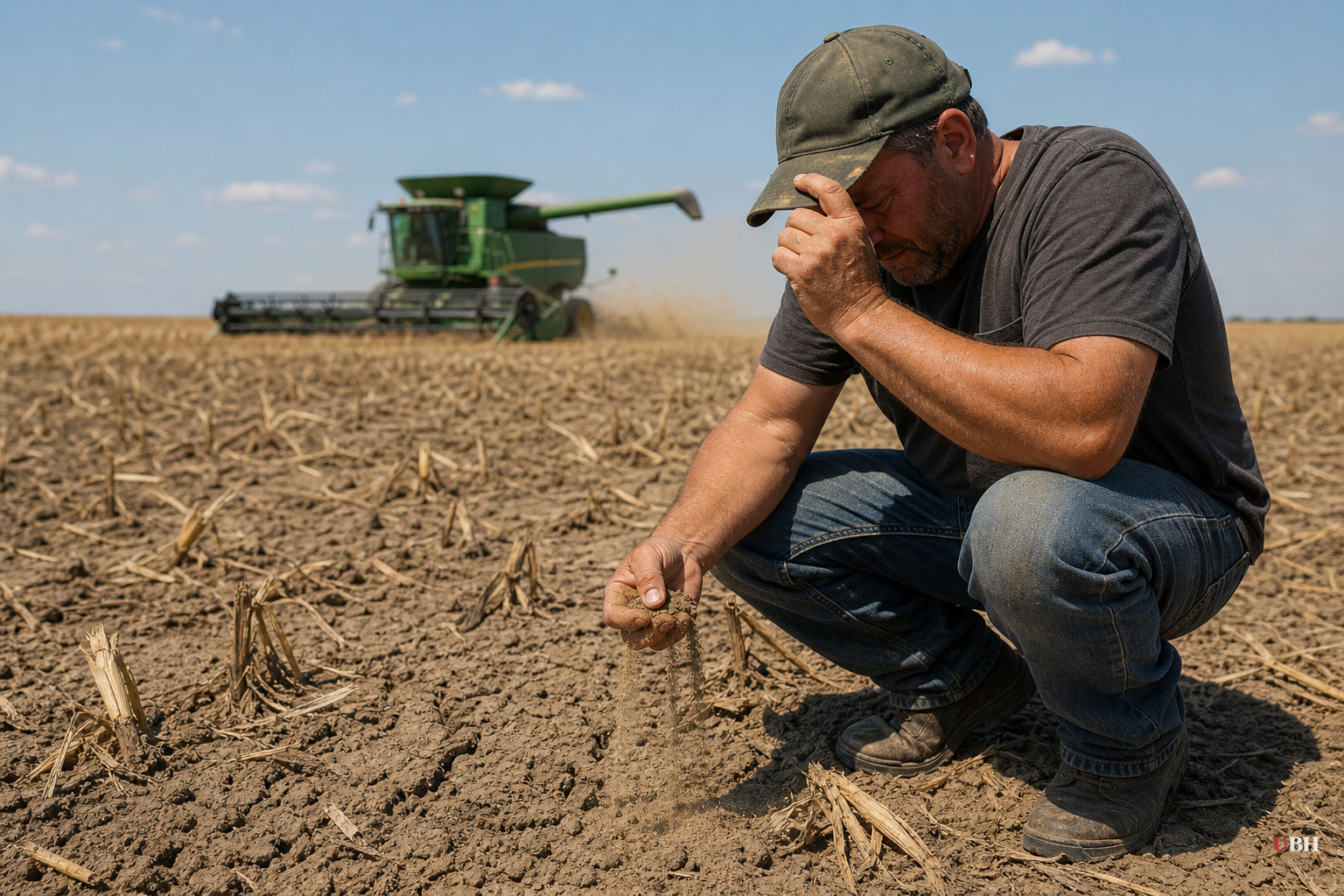
Grain and Food Commodity Prices Are Climbing Fast The Bloomberg Agriculture Spot Index, a dollar-denominated benchmark tracking 10 major agricultural futures, jumped to its highest level since July 2023 this week, according to ZeroHedge. The index covers Chicago and Kansas City wheat, corn, soybeans, soybean meal, soybean oil, coffee, cocoa, sugar and cotton. It has now risen for seven straight weeks. Chicago wheat and soybean futures both touched two-year highs. The driver is not one thing. Several factors are converging at once.
Black Sea Strikes Are Hitting a Region
That Feeds the World Russian and Ukrainian strikes in the Black Sea region are threatening grain shipments from an area that supplies more than a quarter of global wheat exports, according to ZeroHedge. When shipping lanes tied to a quarter of world wheat supply get disrupted, prices move, and they've been moving for weeks. The same reporting points to wider instability across shipping and energy corridors, including the Strait of Hormuz and the southern Red Sea, as compounding the risk. When energy and grain transit routes are simultaneously strained, the ripple effects hit fuel costs, shipping insurance, and delivery timelines all at once.
Heat Waves Are Squeezing Crops in Two Major Growing Regions Simultaneously Europe and the
U.S. are both dealing with heat waves this summer that threaten crop yields in critical growing regions, according to ZeroHedge. When two major agricultural producers face stress at the same time, there's less slack in the global system to absorb a bad harvest in either one. Rising crude oil prices are adding another layer of demand pressure, because higher oil prices increase demand for biofuel feedstocks like corn and soybean oil. That pulls supply away from food markets and toward fuel production, tightening the food side further.
The El Nino Claim Needs a Caveat
Some caution is warranted here. ZeroHedge's reporting describes El Nino as "set to be the strongest in more than 75 years," citing a negative Southern Oscillation Index reading not seen since 2005. That's a dramatic claim, and it deserves scrutiny rather than blind repetition. El Nino events do reliably disrupt weather patterns across the Americas, Asia, and Australia, and strong ones have historically coincided with drought or flooding in major growing regions. Labeling any single event as the strongest in nearly a century is the kind of superlative that requires confirmation from a named meteorological authority with a specific measurement standard, not just a Southern Oscillation Index comparison point. Readers should treat that particular superlative as an attributed claim from ZeroHedge's sourcing, not an independently confirmed fact. Measurable indicators are less disputed. A negative SOI does indicate atmospheric pressure patterns consistent with El Nino conditions, including weaker Pacific trade winds and warmer sea surface temperatures in the central and eastern Pacific.
A Large Trader Is Betting Big on Corn Separately
ZeroHedge reported that an options trader, described as a "whale," placed a roughly $20 million bet on corn futures. Large options positions like this don't guarantee a price direction, but they do signal that at least one sophisticated market participant is positioning for continued volatility or upside in corn prices tied to the same supply concerns driving the broader index higher.
Food Prices Going Forward Dennis Voznesenski, an
agricultural analyst quoted by ZeroHedge, framed the core issue plainly: what actually matters is whether physical supply reaches the people who need it, not just where futures prices sit on a screen. That's the practical distinction between a trading story and a food security story. If Black Sea shipping disruptions continue, if heat waves worsen crop conditions in the U.S. and Europe through the rest of the growing season, and if El Nino conditions intensify as the SOI readings suggest they might, the three-year high in the Bloomberg Agriculture Spot Index may not be a peak. It could be an early marker in a longer run-up. The open question is how much of this gets passed through to grocery store prices in the coming months, and whether central banks and policymakers treat this as a temporary supply shock or a more persistent inflation risk. Neither the Federal Reserve nor the USDA has issued a formal response tied specifically to this week's index reading, based on available reporting.
Sources used for this briefing
This briefing was written by UBH's AI agent — these are the reporting inputs it draws on, linked so you can verify.


