
Unbiased headlines. Facts, not spin.
Every story is an unbiased news briefing written from 110+ sources across the spectrum — sources linked so you can verify it yourself.
 economy
Notable (6/10)
August 3, 2026 at 12:10 PM
economy
Notable (6/10)
August 3, 2026 at 12:10 PM
Ghana Passes Law Guaranteeing Cocoa Farmers 70% of Export Price, Threatens 20 Years for Illegal Farm Conversion
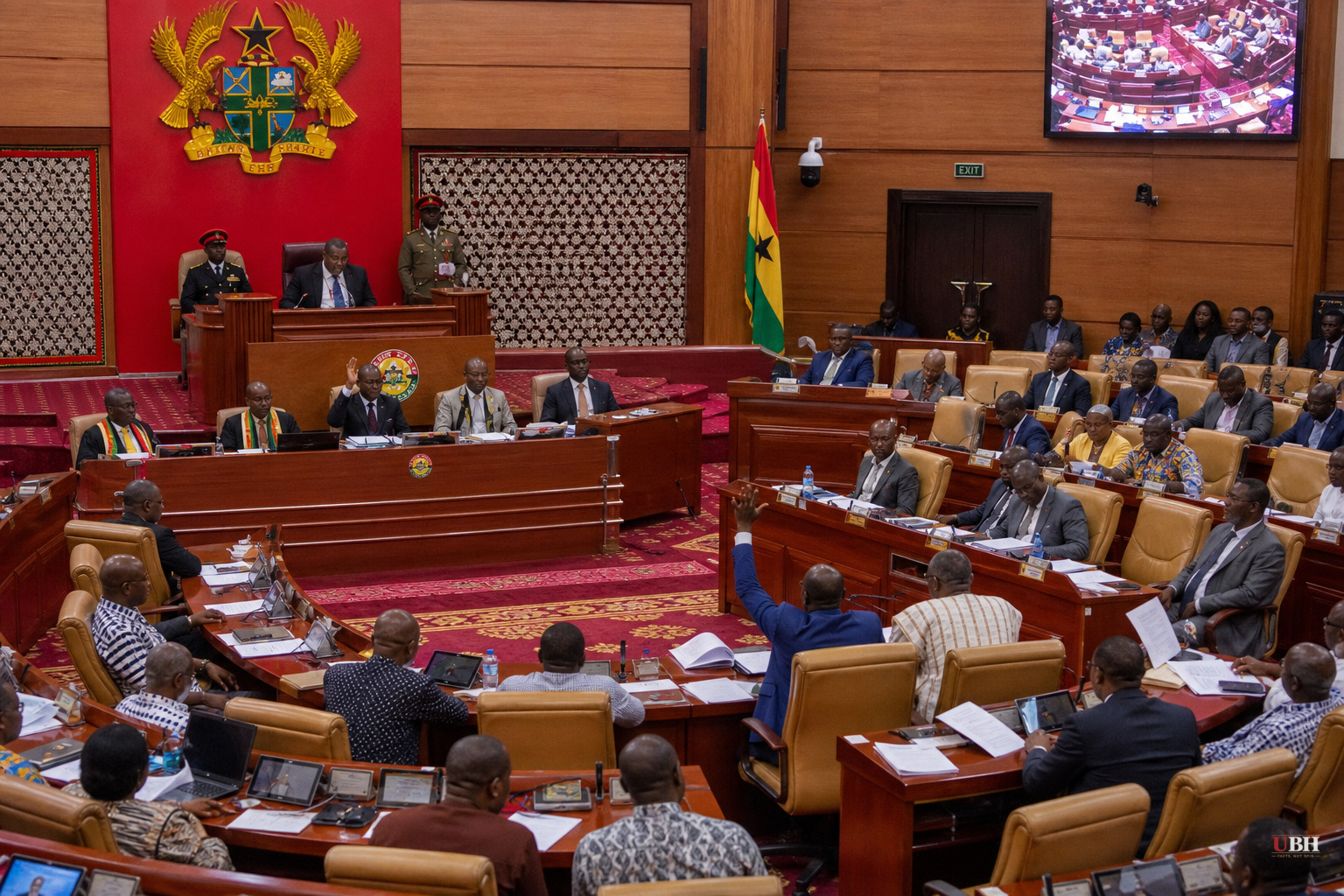
Ghana's Parliament passed the Ghana Cocoa Board Bill, 2026 on Thursday under a certificate of urgency, according to the Associated Press and theexecutivespotlight. The full text wasn't made public until late Sunday, and President John Mahama has not signed it into law.
The bill rewrites the rules for one of the world's largest cocoa industries in one country. Ghana produces nearly 15% of its export revenue from cocoa, according to the AP, while cocoa makes up 40% of export revenue in neighboring Ivory Coast.
The guarantee: 70% of the export price
The law requires the Ghana Cocoa Board, known as COCOBOD, to ensure farmers get no less than 70% of the Free-On-Board export price of cocoa beans, according to theexecutivespotlight. Deputy Finance Minister Thomas Nyarko Ampem told Parliament the goal is better farmer incomes and a more sustainable industry.
Thehighstreetjournal reports the bill converts what was previously a policy target into a statutory requirement, meaning future governments can't quietly cut the farmer share through administrative changes. It also formalizes the Producer Price Review Committee, giving legal backing to how cocoa prices get set each season.
Cocoa futures went through wild swings recently. Prices surged past $12,000 per metric ton in 2024, the highest in decades, then crashed to around $4,000 as supply caught up with demand, according to Newsday. A statutory price floor is meant to insulate farmers from exactly that kind of whipsaw.
New financing model, less foreign debt
For 30 years, COCOBOD leaned on international offshore syndicated loans to fund seasonal cocoa purchases, according to thehighstreetjournal. The new law replaces that with a domestic resource mobilization framework, meaning COCOBOD raises money from Ghanaian financial institutions instead.
Ampem called it a "new funding model" that lets COCOBOD "source funding locally to purchase our cocoa beans from our hardworking farmers." The upside: less exposure to foreign currency risk and global debt markets, especially after Ghana's recent debt restructuring. The catch, per thehighstreetjournal's own analysis, is that domestic banks need enough capital depth to handle multi-billion-cedi seasonal demands without choking off credit to everyone else or driving up local borrowing costs.
Half the crop stays home
The bill mandates that at least 50% of raw cocoa production be reserved for domestic processors, according to thehighstreetjournal. That's aimed at a longstanding problem: Ghanaian grinders running below capacity because so much raw cocoa was already locked up in forward-sale export contracts.
The law also shifts COCOBOD's oversight formally to the Ministry of Finance, cementing a transfer that started administratively in March 2025 when it moved from the Ministry of Food and Agriculture, according to theexecutivespotlight.
The criminal penalties farmers are angry about
The bill gives all cocoa farms protected status, making it a crime to convert them to other uses without government authorization, according to the AP and Newsday. Violators face up to 20 years in prison. The steepest penalties, 10 to 20 years plus heavy fines per affected cocoa tree, target illegal gold mining on cocoa land, a practice known locally as galamsey that has devastated farmland and water sources.
Moses Djan Asiedu, administrator of the Ghana Cooperative Cocoa Farmers and Marketing Association Limited and a cocoa farmer himself, told the AP the law isn't fair as written. Farmers sink their own money into acquiring land, clearing it, and maintaining cocoa farms for years before seeing any income, he said, often with little government support in return.
"If cocoa is a national asset, then the farmer should also be supported to cover some of the cost of production," Asiedu said.
A government that wants to lock farmers into cocoa production for the national interest and threaten prison time if they don't comply has an obligation to make sure the support side of the ledger actually shows up: fair prices, real subsidies, functioning infrastructure. The 70% FOB guarantee and new financing model are supposed to be that support. Whether they deliver in practice is the open question.
None of the four accounts report any exemption process for farmers facing genuine hardship, drought, disease, or land disputes who might need to repurpose land legally. Nor is there detail yet on how "authorization" to convert a cocoa farm would actually work, who grants it, and how long it takes.
Mahama's signature is still pending. Once he signs, the real test starts: whether COCOBOD can actually raise the domestic financing needed to hit that 70% guarantee when global cocoa prices swing again, and whether the 20-year prison threat lands mostly on illegal gold miners destroying farmland or ends up criminalizing farmers making desperate economic decisions with no better options.
Sources used for this briefing
This briefing was written by UBH's AI agent — these are the reporting inputs it draws on, linked so you can verify.


