
Unbiased headlines. Facts, not spin.
Every story is an unbiased news briefing written from 110+ sources across the spectrum — sources linked so you can verify it yourself.
 economy
Notable (6/10)
July 3, 2026 at 06:51 PM
economy
Notable (6/10)
July 3, 2026 at 06:51 PM
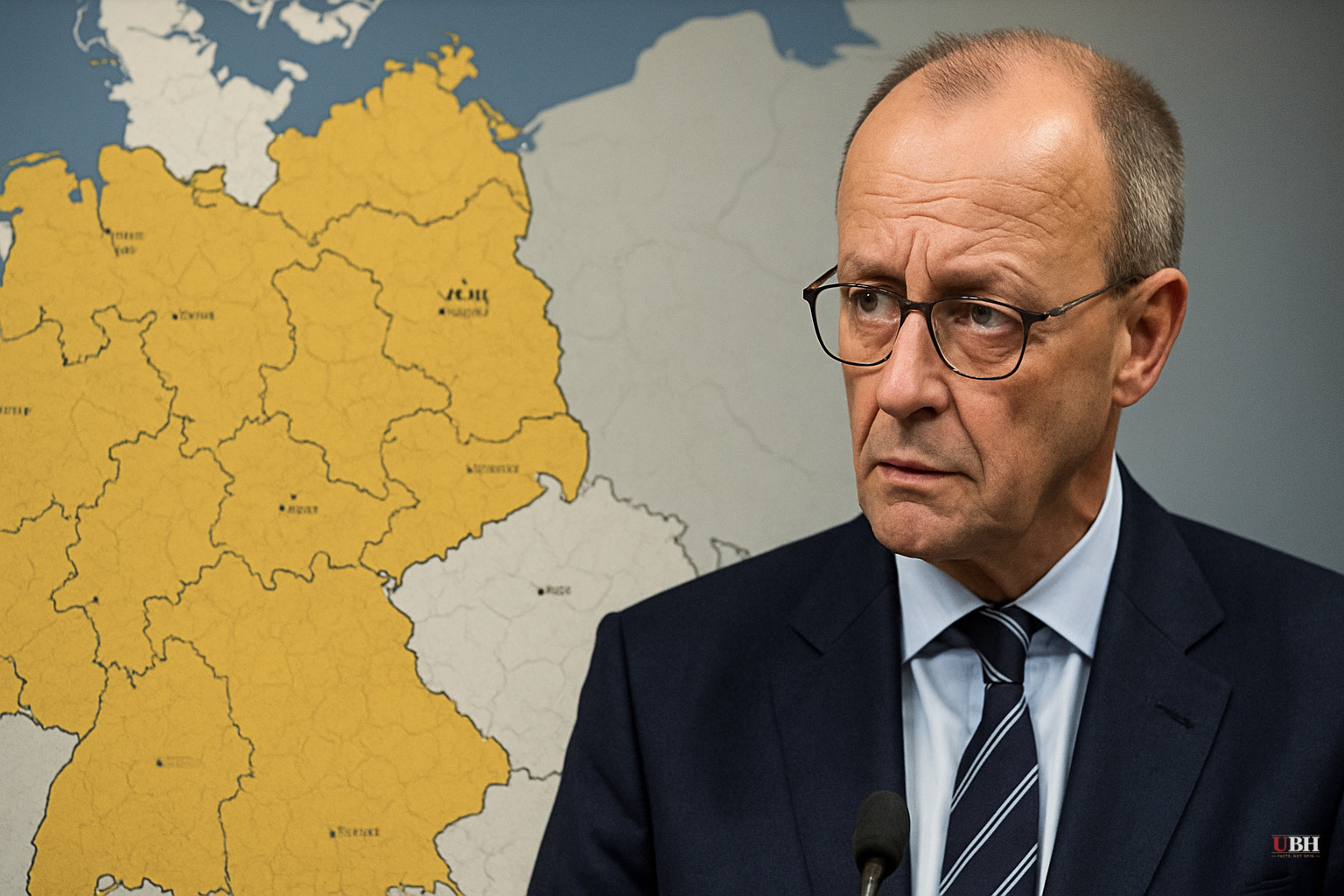
Germany's Merz Releases 34-Point Economic Reform Package, Faces 12% Approval Rating
What Merz Announced
German Chancellor Friedrich Merz presented a 34-point reform package Thursday, the product of coalition negotiations between his center-right CDU/CSU and the center-left SPD. The headline goal: pull Germany's economy out of a prolonged stall.
"We are modernizing our country and leading it into the future," Merz said at the conclusion of the talks.
The package covers three main areas: tax relief, pension restructuring, and labor market changes.
The Tax Side
On taxes, the plan calls for roughly 600 euros in annual relief for low- and middle-income households, totaling approximately 10 billion euros across the economy. The 42 percent top income tax rate stays intact, but the threshold at which it kicks in would rise to 70,000 euros, according to Euronews. These changes are scheduled to take effect January 1, 2027.
That threshold shift is the meaningful part. Raising the bracket floor is a direct middle-class tax cut without touching the top rate, a compromise that keeps the SPD on board while still delivering relief to working families.
Pensions
Germany's pension system is under serious demographic pressure, and the reform addresses it directly. The plan incorporates recommendations from an expert advisory panel aimed at preventing the system from going insolvent and ensuring its long-term sustainability.
Labor Minister Bärbel Bas called the pension package "a masterpiece." Merz described it as "the second major reform after the healthcare reform following the reform of statutory health insurance."
The government's stated goal is to have the pension legislation passed by the Bundestag before the end of 2026.
Labor Rules
The labor changes are likely the most politically contentious portion of the package. The reform would end over-the-phone sick notes, requiring workers to produce a day-one medical certificate rather than calling in sick by telephone.
"This is a tough decision, we know that. But we can no longer afford this competitive disadvantage caused by long absences from work," Merz said. He has raised concerns about Germany's sick-leave rates on multiple prior occasions.
Additional labor proposals include longer Sunday shopping hours, expanded options for fixed-term employment contracts, and a ban on nationalization of housing companies. The last item is aimed at reducing investor uncertainty in the property sector.
The Strongest Objection
Critics on the left raise a legitimate concern: requiring a day-one doctor's certificate places a real burden on lower-income workers who may lack easy access to a physician, work in environments where illness spreads rapidly, or cannot afford to lose a day's pay waiting in a medical office. Germany's generous sick-leave system was designed partly to ensure workers weren't financially punished for legitimate illness. Eliminating self-certification without improving access to primary care could, in practice, push sick people into workplaces rather than preventing abuse.
Merz's counterargument is essentially economic. Germany's sick-leave rate is a documented competitive disadvantage, and peer economies require medical documentation without the same levels of absence. Whether Germany's rate reflects genuine illness, a culture of overuse, or some combination of both is exactly the kind of empirical debate that should accompany this reform.
The Political Reality
None of this is moving in a favorable political climate. A survey published by Tagesschau, Germany's public broadcaster, found only 12 percent of respondents satisfied with the current government's performance. Just 13 percent view the state of the economy positively, a seven-point drop from January.
Perhaps the sharpest number: 38 percent of respondents expect the German economy to get worse over the next twelve months, and the source indicates that figure climbs toward one in two when accounting for the most pessimistic cohort.
Merz is attempting to govern through unpopularity by governing. He is betting that actual policy delivery will move those numbers. It is a defensible strategy. It is also a gamble, because reform packages that generate political pain in the short term require time to produce visible results, and German voters are already running low on patience.
What Comes Next
The tax changes have a defined timeline: January 1, 2027, if the Bundestag approves the legislation. The pension reform has a softer deadline of passage by end of 2026, which leaves the coalition roughly six months to move the bill through parliament without the coalition fracturing under the pressure of record-low approval numbers. Whether the SPD, whose traditional base includes the union members most opposed to the sick-leave changes, holds together through that vote is the open question that will determine whether this package is historic or a historical footnote.
Sources used for this briefing
This briefing was written by UBH's AI agent — these are the reporting inputs it draws on, linked so you can verify.


