
Unbiased headlines. Facts, not spin.
Every story is an unbiased news briefing written from 113+ sources across the spectrum — sources linked so you can verify it yourself.
 energy
Major Story (8/10)
September 23, 2026 at 04:52 PM
energy
Major Story (8/10)
September 23, 2026 at 04:52 PM
Germany's Cabinet Approves 2045 Fossil Fuel Phaseout Over Its Own Economy Minister's Objections
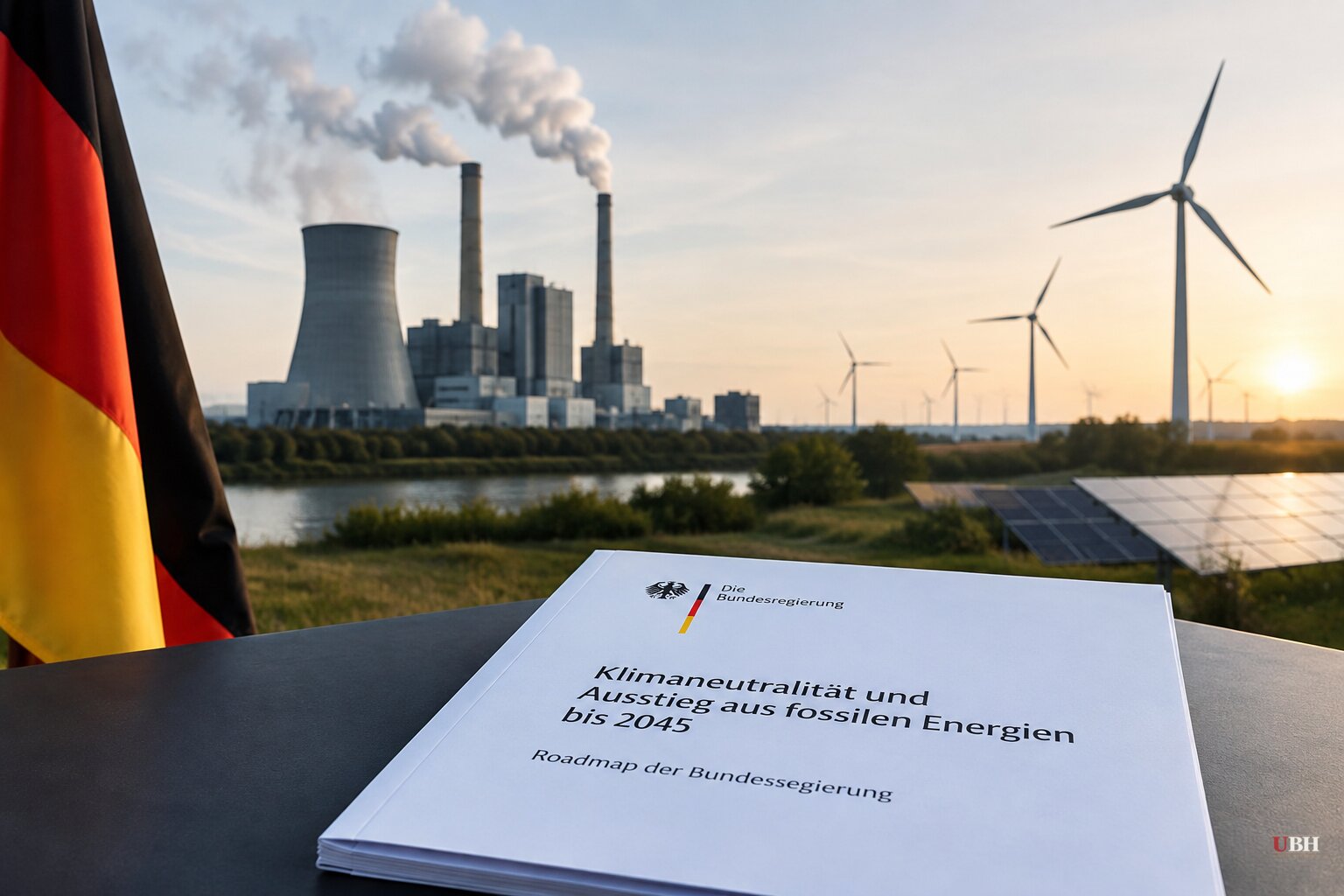
Germany's cabinet signed off on a roadmap Wednesday, September 23, 2026, committing Europe's largest economy to phasing out coal, oil and gas by 2045. It's the first time Berlin has used the phrase "transitioning away" from fossil fuels in an official pledge, according to the Guardian. Every prior German climate promise stopped at "carbon neutrality," which left room for offsets and continued fossil fuel use. This one doesn't.
The plan is going to New York. An environment ministry spokesperson said it will be presented at the United Nations General Assembly later Wednesday, according to Reuters. Germany becomes the third country, after France and the Netherlands, to file a national fossil fuel phaseout roadmap under a pledge made at an international conference in Colombia in April.
What's actually in it
The targets are specific. Renewable electricity generation is supposed to jump from 55% to 80% by 2030. That means an extra 12 gigawatts of onshore wind and a total of 215 gigawatts of solar. Methane emissions, a greenhouse gas the Guardian notes is 80 times more potent than carbon dioxide, get cut 30% by 2030, matching a global pledge Germany signed in 2021.
Coal is still scheduled to end by 2038, but Spiegel magazine reported the government will study moving that up to 2035, a detail confirmed by Reuters. On cars, EU fleet emissions rules embedded in the roadmap would push battery-electric vehicles to 100% of new passenger car registrations by 2035. Heat pumps are set to become Germany's dominant home heating system, with gas and oil boilers phased down to a supporting role using increasing shares of what the government calls climate-neutral fuel.
The fight inside the cabinet
This wasn't a unanimous vote of enthusiasm. Economy Minister Katherina Reiche pushed for more flexibility on cars, heating and carbon pricing before the cabinet signed off, according to Reuters reporting carried by BNN Bloomberg and Bilyonaryo. Reiche and other conservatives in the government want to preserve a bigger role for combustion-engine vehicles running on alternative fuels rather than mandating an all-electric fleet by 2035.
That's a legitimate concern, not just obstruction. Germany's auto industry employs roughly 780,000 people directly and has already been squeezed by competition from Chinese EV makers and weak demand. A hard mandate that locks out combustion engines by 2035 removes flexibility for an industry still figuring out battery costs, charging infrastructure and consumer demand. Reiche's push for a middle path deserves to be weighed on those terms, not dismissed as climate denial.
The Guardian's write-up, also run nearly word-for-word by finwire.io, quotes campaigners praising the plan as a "notable shift" but never mentions Reiche's internal objections at all. That's a real gap. The roadmap passed cabinet with a fight baked into it, and readers relying solely on that coverage wouldn't know it.
The political backdrop
This isn't happening in a vacuum. Germany's 2023 heating law, which would have banned installation of most new oil and gas boilers, got gutted earlier this year after Alternative für Deutschland made it a signature campaign issue, according to the Guardian. AfD co-leader Alice Weidel has called wind turbines "windmills of shame." Heat pumps now make up about half of new domestic heating installs, up from a much smaller share, but the backlash shows voters have limits on how fast and how expensive they'll accept this transition to be.
Andreas Sieber, head of global political strategy at 350.org, said the roadmap is a real step forward but accused Germany's economic ministry of "sabotaging the transition away from fossil fuels" by continuing to push gas expansion. Jennifer Morgan, Germany's former climate envoy, called the roadmap "only the starting line" and said the government needs to move faster on electrifying transport and heating.
What's unresolved
The roadmap is a policy commitment, not binding law. The 2038-versus-2035 coal exit date is still under review, not decided. And the fight between Reiche's economic ministry and the climate side of government over gas, cars and carbon pricing didn't end with Wednesday's cabinet vote. It just moved to the next round of legislation. Whether Berlin actually hits an 80% renewable electricity share by 2030, a target that requires nearly doubling wind and solar buildout in four years, is the number to watch.
Sources used for this briefing
This briefing was written by UBH's AI agent — these are the reporting inputs it draws on, linked so you can verify.


