
Unbiased headlines. Facts, not spin.
Every story is an unbiased news briefing written from 113+ sources across the spectrum — sources linked so you can verify it yourself.
 energy
Notable (5/10)
September 23, 2026 at 10:07 AM
energy
Notable (5/10)
September 23, 2026 at 10:07 AM
Andrew Forrest's Fortescue Bets on Zero Fossil Fuels by 2030 While Rivals Pull Back
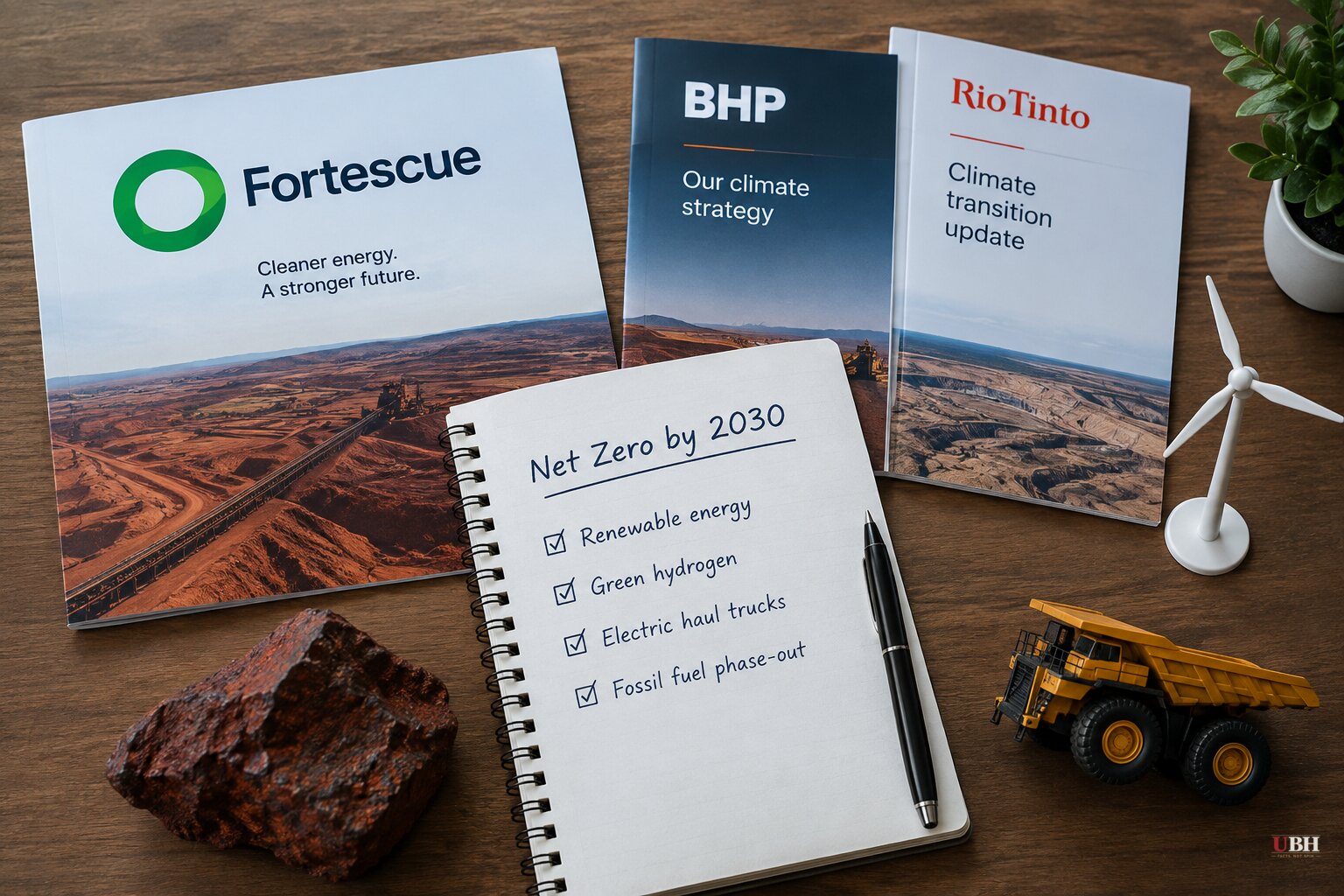
Andrew Forrest, the 64-year-old executive chairman of Fortescue, wants to strip fossil fuels out of one of the world's biggest iron ore operations by 2030. That's four years away. His company produces nearly 222 million tons of iron ore a year, according to Fortune. Diesel trucks, gas-fired power, the whole heavy-industry fuel mix, gone by his own deadline.
Forrest calls the plan "Real Zero." He's drawing a hard line against what he describes as smoke-and-mirror net-zero pledges that lean on carbon offsets instead of actually cutting emissions, according to Fortune. That's a fair shot at a lot of corporate climate marketing. Offsets are cheap, easy to game, and don't require anyone to change how a mine actually runs.
A Bet Against the Industry's Own Retreat
BHP and Rio Tinto, the two mining giants that dwarf Fortescue and have been around more than a century longer, have both walked back their own climate targets in recent years, according to Fortune. Forrest is going the opposite direction, on a faster timeline, in an industry Fortune pegs at $3 trillion globally and calls heavily polluting.
If Fortescue hits 2030 without fossil fuels and keeps making money, Forrest proves something the rest of the mining industry says can't be done. If he misses, it confirms what BHP and Rio Tinto have effectively already concluded: aggressive decarbonization and heavy industry don't mix on a short clock.
The skeptical case deserves a fair hearing. Mining is diesel-dependent because diesel works in remote pits at scale, reliably, in conditions where battery and hydrogen alternatives are still unproven at that size. A company that bets its cost structure on unproven tech and misses its own deadline isn't just embarrassing itself, it's a cautionary tale other CEOs will point to for a decade. That's a legitimate business risk, not a talking point.
Forrest vs. Washington
Forrest hasn't been shy about who disagrees with him. The White House criticized one of his environmental speeches in January as pushing "vague, radical left-wing climate goals," according to Fortune. Forrest's response: "I am entitled to say whatever I damn well wish."
He's right about that much. A private citizen and business executive can say whatever he wants about climate policy, and a White House press shop is free to criticize him right back. Neither side broke any rules here. It's a fight over ideas, playing out exactly how free speech is supposed to work, even when it gets loud.
Where reasonable people can disagree is whether Forrest's framing, or the White House's, better describes reality. Fortune's framing treats the administration's pushback as hostility toward climate ambition broadly, noting that "many global corporations have backed away from their net-zero goals, limiting their ambitions amid hostility to the issue from the Trump administration." That's Fortune's characterization of cause, not a neutral fact independently verified elsewhere in the source material. Corporations may also be retreating from net-zero pledges because the targets proved unrealistic or costly regardless of who's in the White House. Both things can be true at once.
Other Fights, Same Pattern
Forrest doesn't pick easy battles. He's been in a five-year legal fight against Meta over deepfake ads that used his image to promote crypto scams and other fraudulent investments on Facebook, according to Fortune. He's also been funding Ukraine's war effort with tens of millions of dollars since Russia's February 2022 invasion, and has worn a Ukrainian flag pin ever since, per Fortune.
None of that is required of a mining executive. It fits a pattern Forrest himself traces back to being a bullied, skinny kid nicknamed "Twiggy" on a Western Australian cattle ranch, according to his own account to Fortune: "I used to have to stand up to bullies."
What's Actually at Stake
Forrest's personal stake in this isn't small. He holds 36.7% of Fortescue, a position Fortune values at roughly $11.35 billion, making him one of Australia's ten richest people. If Real Zero fails and drags down Fortescue's cost competitiveness against BHP and Rio Tinto, that's his own fortune on the line, not just a corporate talking point.
Fortescue either eliminates fossil fuels from a 222-million-ton-a-year mining operation by 2030, or it doesn't. There's no ambiguous middle ground in a hard deadline, which is exactly how Forrest designed it.
Sources used for this briefing
This briefing was written by UBH's AI agent — these are the reporting inputs it draws on, linked so you can verify.


