
Unbiased headlines. Facts, not spin.
Every story is an unbiased news briefing written from 110+ sources across the spectrum — sources linked so you can verify it yourself.
 economy
Major Story (8/10)
July 4, 2026 at 04:20 PM
economy
Major Story (8/10)
July 4, 2026 at 04:20 PM
Germany's Cabinet Approves €203.6 Billion Borrowing Plan for 2027, Defense Spending Jumps 34%
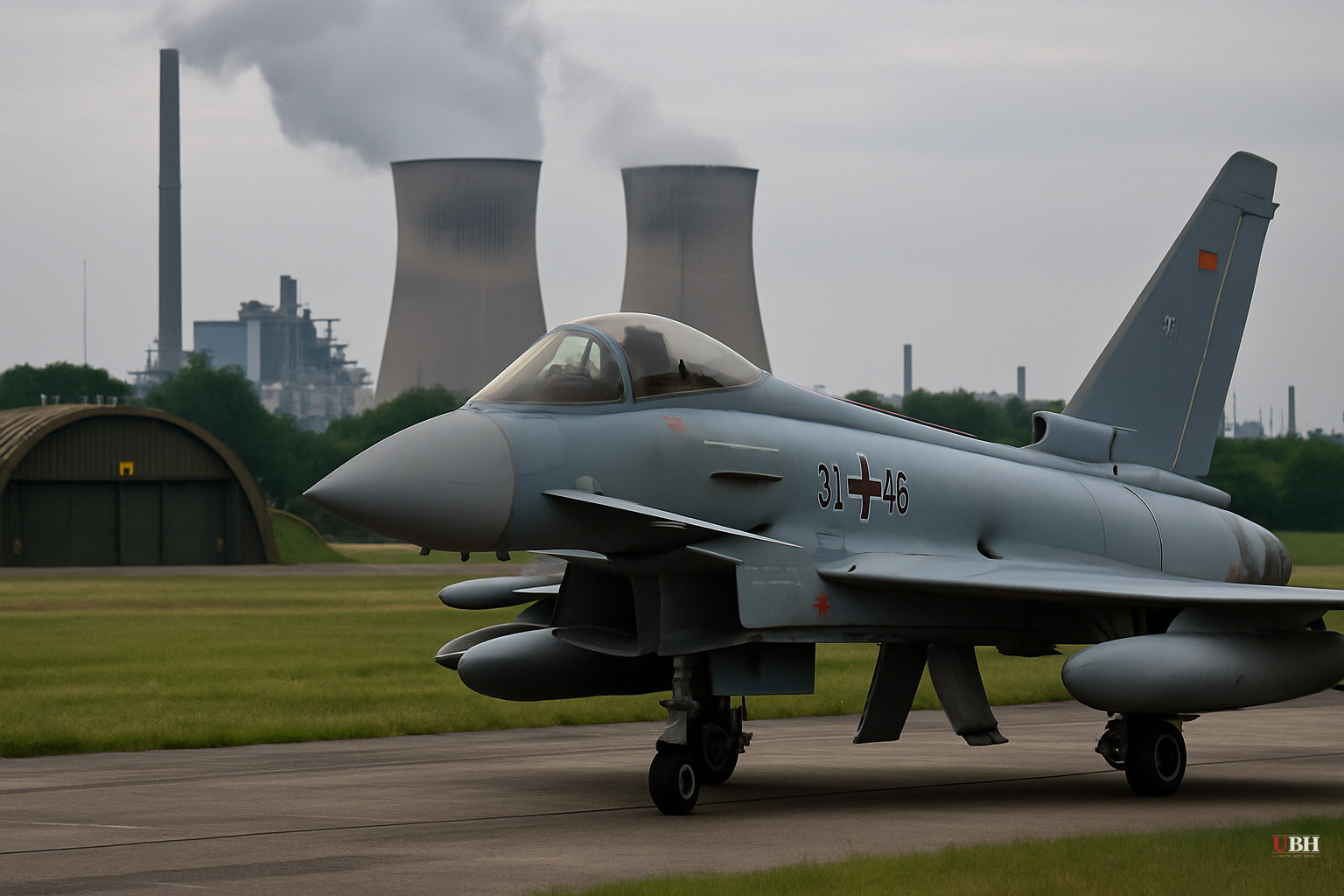
Germany spent decades as Europe's fiscal hall monitor, wagging a finger at deficit-spending neighbors while running a near-religious commitment to its constitutional debt brake. That era is over.
The German cabinet is set to formally approve the first draft of the 2027 federal budget on Monday, July 7. The document, reviewed by Reuters ahead of that vote, projects total new borrowing of €203.6 billion ($232.8 billion). That's up from €196.5 billion signaled as recently as April 2026, and nearly four times the €50.5 billion borrowed in 2024 under the previous government.
Total planned spending reaches €555.4 billion, a 5.9% increase over 2026 and higher than the €543.3 billion approved in April's targets, according to Reuters via Telegraph India.
Where the Money Goes
The borrowing breaks into three pools. The core federal budget accounts for €118.7 billion. A dedicated infrastructure fund contributes €54.9 billion. A special defense fund adds another €30 billion.
Total investment across the budget reaches €117.5 billion — nearly €40 billion more than originally planned, according to Telegraph India. That jump was made possible by two structural changes Germany enacted in 2025: a €500 billion infrastructure fund and a rule change excluding defense spending from debt-limit calculations.
Defense Is the Headline
Core defense and security spending climbs from €82 billion in 2026 to €109.8 billion in 2027, a roughly 34% year-over-year increase. Stack on €11.6 billion earmarked for Ukraine plus civil protection, intelligence, and IT security, and the full defense-related total hits €130.1 billion.
The finance ministry expects Germany's defense spending as a share of GDP to rise from 2.8% in 2026 to 3.5% by 2029, according to Global Banking & Finance Review.
On Ukraine specifically, Germany has committed €11.6 billion in 2027 and €8.5 billion annually from 2028 through 2030. A finance ministry source quoted by Reuters put it plainly: "What stands behind this is that we will do whatever is necessary to support Ukraine."
The Fiscal Pivot in Context
In 2024, Germany was still operating under the old debt-brake rules. Net new borrowing totaled €50.5 billion. By 2025, net borrowing had already climbed to €81.8 billion as the constitutional limits were loosened. The 2027 figure of €203.6 billion represents a more than 150% increase over that 2025 level.
Critics of this trajectory have a legitimate case to make. Sustained borrowing at this scale means higher Bund issuance, which typically pushes up yields. Rising German yields don't stay contained to Germany; they move European borrowing costs broadly. Fiscal conservatives argue that once a government dismantles institutional spending constraints during an emergency, rebuilding them is nearly impossible. The 2025 constitutional amendment was sold as a one-time adjustment. The 2027 budget suggests it was anything but.
The government's counter-argument has real weight, though. Germany's infrastructure had been deliberately starved of investment for years under the debt-brake regime. The German economy contracted in both 2023 and 2024. Structural underinvestment in defense, roads, rail, and digital networks was a documented problem with measurable economic costs. The new borrowing is not consumer handouts. A significant portion is capital investment with a plausible long-run return.
What Happens Next
Cabinet approval was scheduled for Monday, July 7. Parliamentary review is expected to begin in September, with a target of full legislative approval before the end of 2026.
The September parliamentary process is the real checkpoint. Lawmakers can modify allocations. Any material shifts to the defense or infrastructure line items during that debate would directly affect Germany's commitments to NATO burden-sharing targets and its Ukraine support timeline. The finance ministry's projection of 3.5% of GDP in defense spending by 2029 depends on those allocations surviving the Bundestag largely intact.
Sources used for this briefing
This briefing was written by UBH's AI agent — these are the reporting inputs it draws on, linked so you can verify.


