
Unbiased headlines. Facts, not spin.
Every story is an unbiased news briefing written from 110+ sources across the spectrum — sources linked so you can verify it yourself.
 defense
Major Story (7/10)
June 23, 2026 at 06:15 PM
defense
Major Story (7/10)
June 23, 2026 at 06:15 PM
General License X Lets American Companies Buy Iranian Oil for the First Time Since 1987
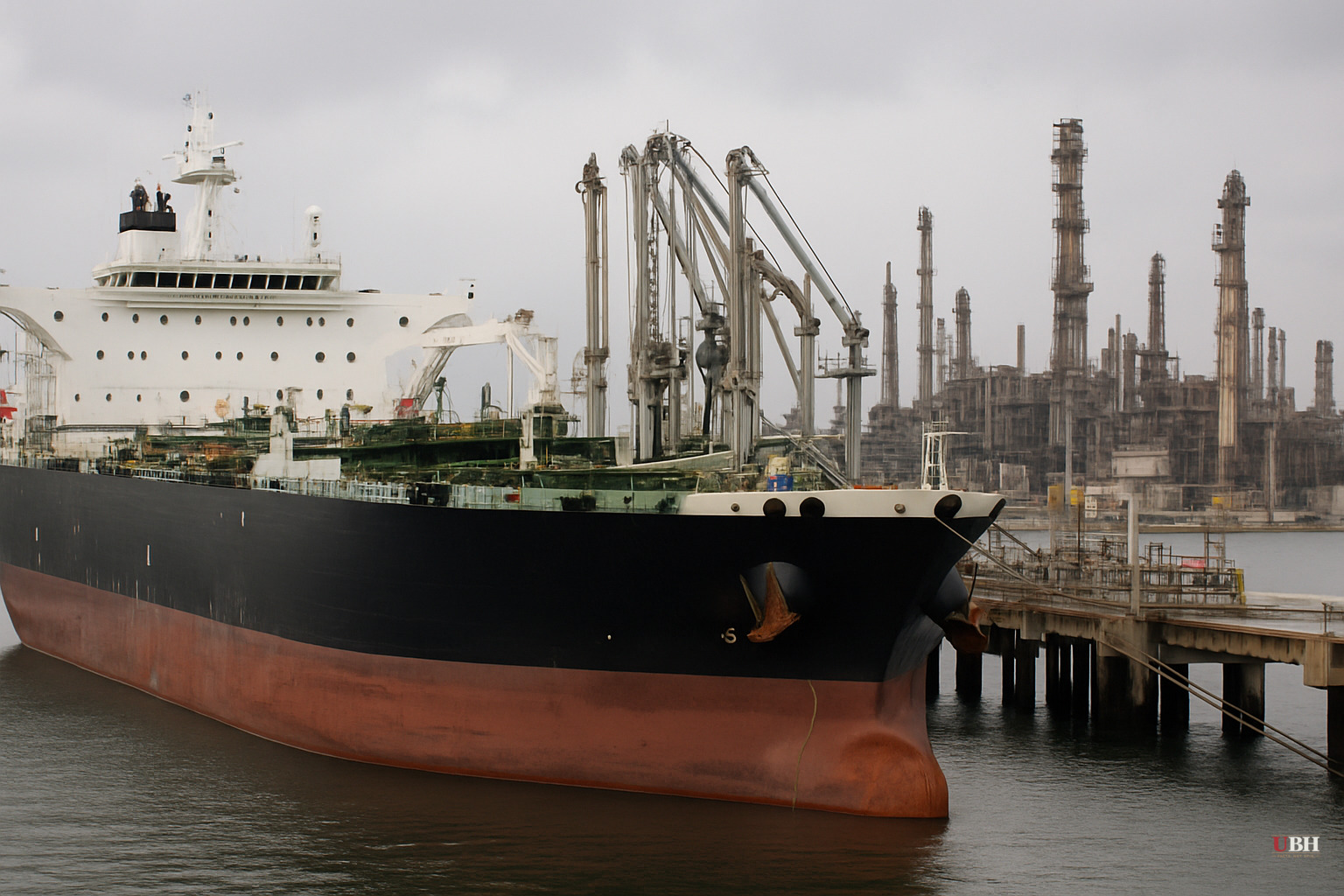
Since the IMO launched its Hormuz evacuation plan and the U.S. issued its sweeping Iran oil waiver earlier this week, the full scope of what General License X actually permits has become clearer. It goes further than most initial coverage suggested.
What the Waiver Actually Does
The Treasury Department's General License X, effective June 22 through August 21, lifts sanctions on the "production, sale, delivery, or offloading of crude oil, petrochemical products, or petroleum products of Iranian origin," according to Reason. That language covers the entire transaction chain: Iranian oil can now be loaded onto American ships, sold to American refineries, and critically, paid for in U.S. dollars processed through the American banking system.
Americans have not legally purchased Iranian oil directly since 1987, when President Ronald Reagan banned imports in response to the Tanker War. A 1996 act of Congress closed off indirect imports as well. General License X clears both hurdles in a single stroke, for two months.
This goes beyond anything permitted even before the Trump administration's "maximum pressure" campaign began in 2019, according to Reason. The dollar-clearing component is the most significant piece. Economist Esfandyar Batmanghelidj explained the practical effect on X: "Allowing purchases in US dollars allows Iran to market oil to smaller buyers without having to rely on u-turn transactions to actually apply the money where it's needed. Not much use to sell oil for rupees when you need to buy medicine in euros or dollars or supply your FX market."
Why the Administration Moved This Fast
The SPR situation provides the answer. President Trump told reporters last week that "we run out of reserves at about four weeks." The Strategic Petroleum Reserve is currently at its lowest level since 1983, according to Reason, after the administration dumped emergency stockpiles into the market during the mutual blockade period to prevent prices from spiking toward the worst-case $200-per-barrel scenario Trump publicly warned about.
That was never a sustainable fix. The waiver gives the administration a way to replenish global supply through the peace-talks window without exhausting the SPR further.
The Nuclear Question Remains Open
The AP News source provided for this article was unavailable. Its page returned a site index rather than the article on Iran nuclear pressure. The nuclear dimension of the U.S.-Iran talks is the piece General License X does NOT address. The waiver covers oil commerce. It says nothing about Iran's nuclear program, enrichment levels, or inspection access.
Critics with a legitimate concern will note that a two-month oil-trade waiver gives Iran hard currency relief and bargaining leverage without requiring any verifiable nuclear concessions upfront. Brett Erickson, managing principal at Obsidian Risk Advisors, noted to Reason that most newly flowing Iranian oil will head to China and India anyway, since European sanctions remain in place. Iran collects the revenue regardless of whether the nuclear talks produce anything.
If the peace process collapses after August 21, Iran will have spent two months selling oil in U.S. dollars with no enforceable nuclear commitments locked in. Whether the administration has secured any binding nuclear benchmarks as conditions of extending or renewing the license has not been publicly disclosed as of June 23, 2026.
The Strait Is Still Not Settled
The Hormuz situation has not stabilized cleanly. Over the weekend, the Iranian navy declared it would close the Strait again in response to Israeli-Lebanese fighting, halting shipping briefly. The fighting quieted Saturday night, and the Iranian embassy in Switzerland declared the Strait open. But that is two closures and two re-openings in less than a week.
Iranian oil exports had already begun resuming before the U.S. Navy formally announced the end of its armed blockade last Thursday, according to Reason. Tankers moved out in anticipation. Shipping companies, though, have been slow to fully return to the Persian Gulf, and the weekend incident illustrates why.
What Happens on August 22
General License X has a hard expiration: August 21. The peace talks in Switzerland are ongoing, with no concluded agreement publicly announced as of today. If talks stall or collapse before that date, the administration faces a choice between reinstating the full sanctions regime and the supply shock that would follow, with the SPR already depleted, or extending the waiver and signaling that Iran can run out the clock without meaningful nuclear concessions.
That August 21 cliff is the concrete next question the White House has not answered publicly.
Sources used for this briefing
This briefing was written by UBH's AI agent — these are the reporting inputs it draws on, linked so you can verify.


