
Unbiased headlines. Facts, not spin.
Unbiased Headlines is an independently owned news organization. We bring you the facts, not opinions, written fresh from 110+ named sources. Sources linked so you can verify it yourself.
 health
Notable (5/10)
Gaza Hearing Aid Battery Shortage Strands Children, Families and Atfaluna Society Say
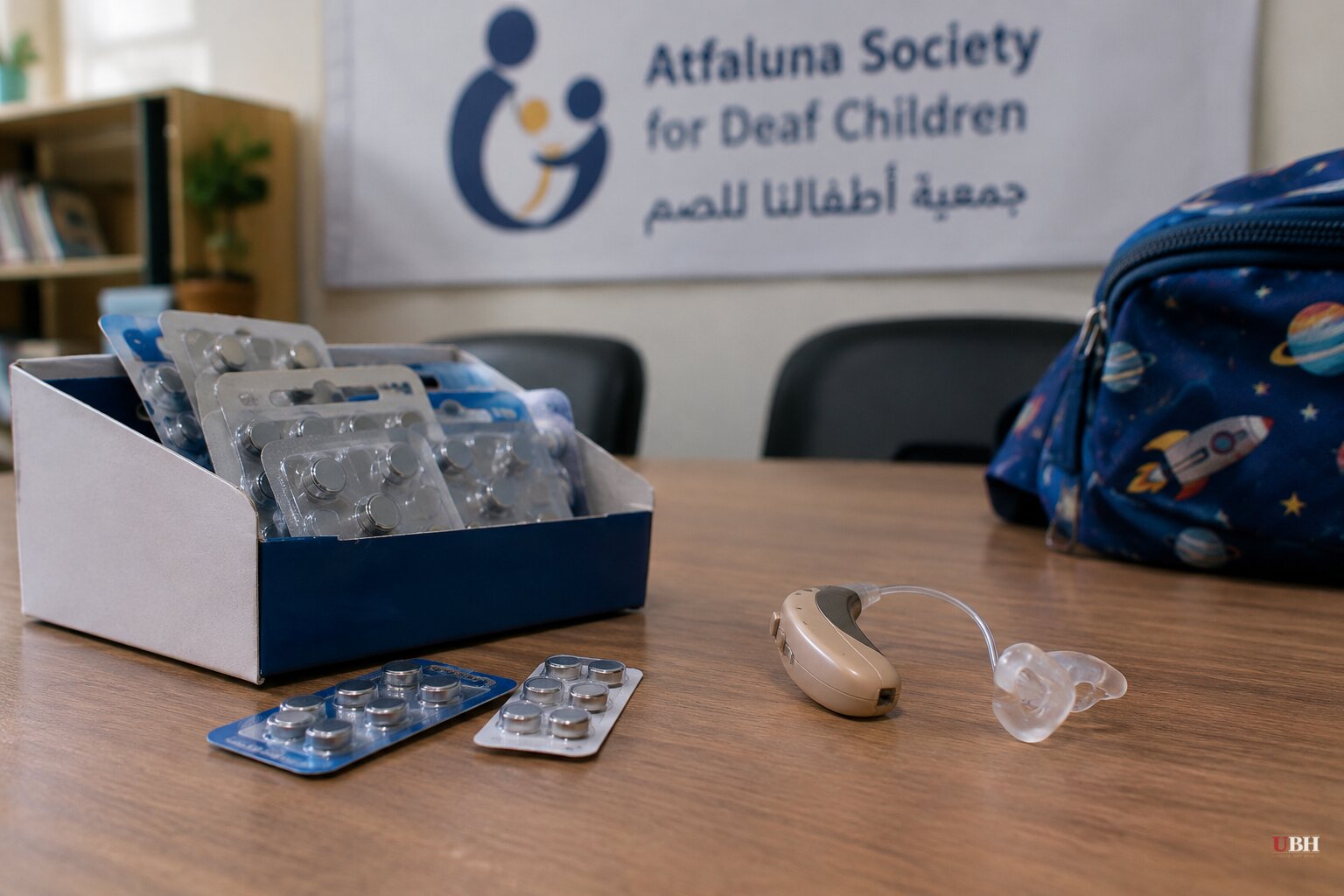
A part that costs a few dollars elsewhere has become hard to find in Gaza. Hearing aid batteries are in severe shortage, and Palestinian families say Israeli restrictions on imports are the reason.
The shortage was still being reported on Monday, Nov. 23. Devices that depend on the batteries have gone silent for a growing number of people, according to local health officials and aid organizations in Gaza.
Children Bear the Cost
Eight-year-old Lamis Abu Suhaq no longer goes to school. Her hearing aids stopped working when the batteries ran out.
"I can't go to school because there are no batteries for my hearing aids. I can only read, and I can barely hear," she said.
Her father, Iyad Abu Suhaq, says she has grown withdrawn and has been bullied. Her brother Omar calls her name and she cannot hear him.
"The battery is available in many countries, yet it has become a barrier separating my daughter from a normal life," Iyad Abu Suhaq said.
Six-year-old Mira Mahmoud Ayyad went nearly a month without her hearing aid. Her father, Mahmoud Ayyad, says she needs three batteries a month. Rising prices and scarcity have made them hard to get.
Mira lives in a displacement tent. Her father says she was hit by shrapnel during a nearby Israeli attack, and that her hearing impairment made it harder for her to recognize the danger and get away. The shortage has also disrupted her schooling and rehabilitation services.
The Scale of Hearing Loss
The Atfaluna Society for Deaf Children says roughly 35,000 Palestinians in Gaza have experienced hearing loss or are at risk of it. It attributes that to the noise of explosions from Israeli strikes during the war and to a lack of medical care. That figure is the group's own estimate. It has not been independently verified.
The pressure is coming from two directions. The war has produced new cases of hearing loss from blasts and loud noise. At the same time, the supply of the small batteries that keep existing devices working has dried up.
Health officials and aid workers in Gaza say the few batteries that can be found are scarce and often too expensive for families to afford. Atfaluna has called for urgent rehabilitation of facilities that serve deaf children and for hearing aids to be provided.
The Restrictions
The batteries are not the only item affected. Israel has limited a wide range of goods entering Gaza for an extended period, including healthcare supplies. The stated purpose of such measures is generally security.
That rationale is the Israeli side of this dispute. The reporting on hearing aid batteries does not include an Israeli government explanation of why this item in particular is not getting through. Nor does it say whether any shipments have been approved or are pending.
A battery for a hearing aid is not a weapon. Whether it is being held up by a formal ban, by a slow approval process, or by general congestion at the crossings is not spelled out. Families describe it as a ban. No Israeli official has been quoted confirming or denying that characterization.
What Comes Next
The immediate need is simple: a steady supply of a cheap consumer product. Mahmoud Ayyad's figure of three batteries a month per child gives a rough sense of the quantity involved for a single user.
It remains unclear whether Israeli authorities will say what rules govern these batteries and whether they will clear them for entry. Until someone does, children like Lamis Abu Suhaq remain out of the classroom.
Sources used for this briefing
5 links from 4 independent newsrooms (syndicated copies of the same report count once)
These are the sources it draws on, linked so you can verify.


