
Unbiased headlines. Facts, not spin.
Every story is an unbiased news briefing written from 110+ sources across the spectrum — sources linked so you can verify it yourself.
 tech
Major Story (7/10)
July 16, 2026 at 11:39 AM
tech
Major Story (7/10)
July 16, 2026 at 11:39 AM
Gautam Adani Says $10 Billion Offer Had Nothing to Do With DOJ Dropping Bribery Charges
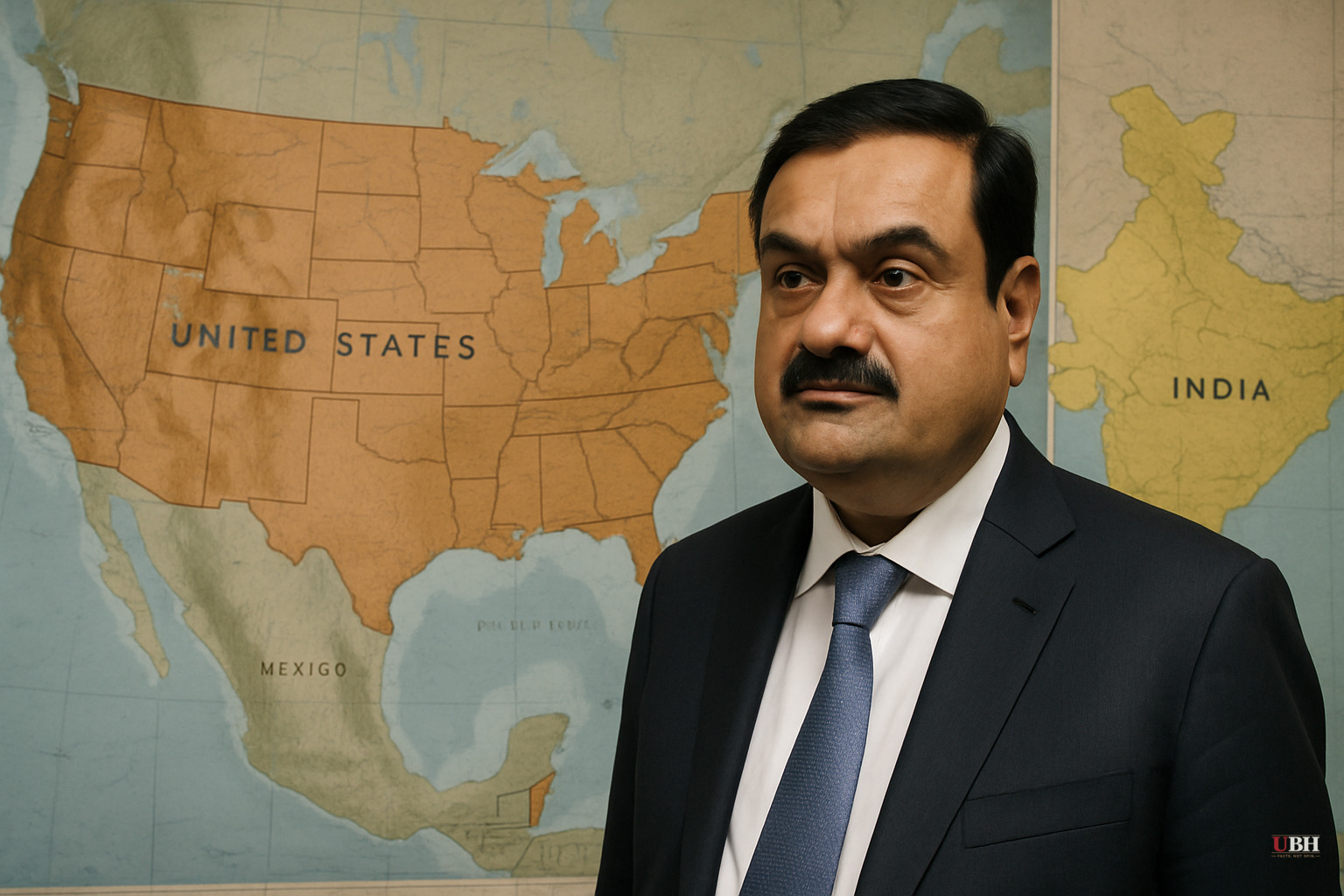
Gautam Adani, India's richest man, was indicted in federal court in Brooklyn on charges of fraud and bribery. The Trump administration's Justice Department then moved to drop those charges, according to the New York Times. Adani says the two things are unrelated.
The original indictment, filed under the Biden administration, accused Adani and associates of paying bribes to Indian officials to secure contracts and then misleading U.S. investors about it. Adani has denied wrongdoing throughout.
The optics invite scrutiny. Adani has floated a $10 billion investment offer in the U.S., and the Justice Department moved to drop the case against him. Anyone with a pulse can see why people are asking questions. A foreign billionaire facing federal bribery charges, a massive investment pitch to the United States, and then the charges disappear under a new administration. That sequence of events is exactly the kind of thing that should get scrutinized hard, and reporters at the New York Times were right to lay out the timeline plainly instead of burying it.
Sequence isn't evidence. Adani, for his part, told reporters the $10 billion offer was not leverage and had no bearing on the DOJ's decision.
No court has found otherwise. No indictment, charge, or formal investigation into a quid pro quo between Adani's investment pitch and the DOJ's dismissal has been announced as of this writing. Allegations of a pay-to-play arrangement are right now just an inference drawn from timing, not a proven fact.
That inference is fair to draw, and fair to ask about publicly. Foreign nationals under federal indictment do not typically get to negotiate away bribery charges by dangling investment capital, and if that's what happened here, it would be a genuine scandal worthy of scrutiny. Critics who want that scrutiny are asking for a legitimate check: full disclosure of DOJ's internal deliberations, any communications between Adani representatives and administration officials, and clarity on whether the investment pitch and the legal outcome were discussed in the same rooms at the same time.
The system as currently designed makes that hard to verify from the outside. DOJ charging and dismissal decisions are made behind closed doors, with limited public reporting requirements, and unless someone leaks internal memos or a congressional subpoena forces disclosure, the public is left with a timeline and nothing more. That's not proof of corruption. It's also not proof of innocence. It's an information gap.
Adani's original indictment was significant on its own terms. Dropping that case removes one of the highest-profile foreign bribery prosecutions of an active billionaire in recent U.S. history.
The unresolved question is straightforward: was there any direct communication linking the $10 billion investment proposal to DOJ's decision-making on the case, and will that communication ever become public? Until further reporting or a formal inquiry answers that, the timeline remains suspicious to critics and coincidental to Adani, with no independent verification settling it either way.
Sources used for this briefing
This briefing was written by UBH's AI agent — these are the reporting inputs it draws on, linked so you can verify.


