
Unbiased headlines. Facts, not spin.
Every story is an unbiased news briefing written from 110+ sources across the spectrum — sources linked so you can verify it yourself.
 economy
Major Story (7/10)
June 22, 2026 at 05:28 PM
economy
Major Story (7/10)
June 22, 2026 at 05:28 PM
Gas Prices Are Falling from Crisis Highs, But a Return to Pre-War Levels Is a Different Question Entirely
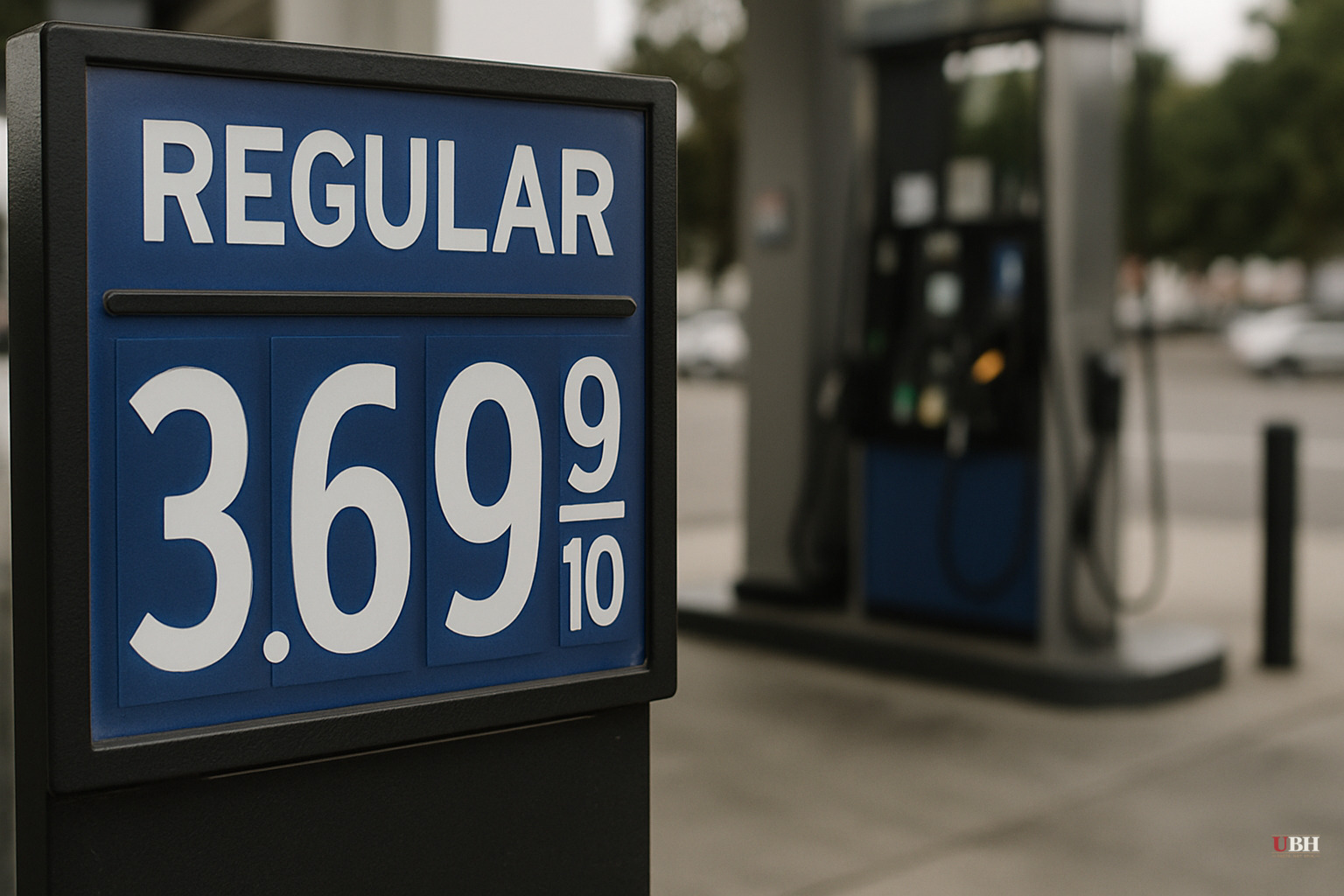
Since this outlet's earlier coverage tracked the commodity price fallout from the Iran conflict, the consumer cost picture has continued to evolve. The war-related food and energy shocks are not separate stories. They are compounding ones, hitting household budgets at the same time.
Where Gasoline Actually Stands
Before the Iran conflict, the national average sat below $3 a gallon, according to OilPrice.com. During the spring, it climbed above $4 and reached $4.50 at the peak. Over a three-month stretch, consumers paid more than $1 per gallon above pre-war levels, absorbing the combined pressure of higher crude prices, refinery disruptions, and seasonal demand.
Prices have since come down from those highs. A drop from $4.50 to somewhere in the $4 range does ease household budgets at the margin. But as OilPrice.com notes directly, "falling from crisis levels is not the same thing as returning to normal." The national average as of the time of this reporting remains well above the sub-$3 baseline consumers saw before the conflict started.
Why Crude Futures Moving Fast Doesn't Mean Cheap Gas Tomorrow
Traders have been quick to price in a diplomatic resolution. The developing U.S.-Iran agreement gave futures markets a reason to cut the geopolitical risk premium. Crude prices responded within minutes to ceasefire signals and diplomatic framework reports. That is how futures markets work.
Physical oil does not work that way. OilPrice.com lays out the mechanics clearly: the Strait of Hormuz is the world's most important energy chokepoint, and months of disruption cannot be reversed by a press release. Ships that were rerouted need to be rescheduled. War-risk insurance premiums have to be reassessed by underwriters who are not going to move on a handshake deal. Crews and cargo owners need operational confidence that passage is actually secure, not just diplomatically announced. Port congestion built up over months takes weeks to clear.
Refiners are a separate problem. Many shifted their crude sourcing patterns when Gulf exports were disrupted. Switching back is not instantaneous. Refinery crude slates are planned ahead, and competing for prompt cargoes while inventories are still depleted pushes prices higher than the futures strip alone would suggest.
The Strongest Case for Optimism
If the U.S.-Iran diplomatic framework holds and the Strait of Hormuz reopens on a stable, verified timeline, the supply shock that drove prices above $4 does unwind. Markets are forward-looking for a reason. They have a decent track record of front-running supply recoveries. Falling futures prices today translate into lower wholesale gasoline costs in coming weeks, and eventually at the pump.
If the geopolitical risk premium fully evaporates, there is no structural reason gasoline cannot eventually return to the pre-war range. Vance said the Iran talks set a "good foundation" for a permanent deal to end the war, according to AP News, which adds weight to the diplomatic timeline. If that framing holds and the deal closes, the optimists have a credible path.
Why the Pessimists Aren't Wrong Either
The risk is in the word "eventually." Pre-war gasoline prices reflected a specific set of supply conditions: open Strait, normal Gulf export volumes, established tanker routes, and stable insurance markets. Restoring all of those simultaneously takes time measured in months, not days. Meanwhile consumers are still paying crisis-era prices every time they fill up.
OilPrice.com also flags the inventory trap: when the crisis eases, depleted commercial stocks and strategic reserves need to be rebuilt, creating additional demand for barrels just as the market is trying to normalize. That restocking demand can put a floor under oil prices even as traders expect the crisis premium to disappear. The U.S. Strategic Petroleum Reserve, already drawn down significantly in response to Russia's invasion of Ukraine, has now been further drawn down to its lowest level since 1983.
Gas prices above $4 add pressure to household budgets that are already contending with tariff-driven food cost increases documented in prior coverage. None of those inputs disappears quickly.
The Unresolved Question
OilPrice.com frames it cleanly: the relevant question going forward is not whether prices can fall from their highs. They already have. The question is whether the physical supply chain normalizes fast enough for gasoline to return to pre-war levels. That depends on whether the U.S.-Iran diplomatic framework produces verified, operational reopening of the Strait, not just a framework announcement.
Until tanker insurers move, shipping schedules normalize, and refinery crude sourcing patterns reset, the gap between futures prices and pump prices will persist. How long that gap lasts is the number consumers and policymakers should be watching.
Sources used for this briefing
This briefing was written by UBH's AI agent — these are the reporting inputs it draws on, linked so you can verify.


