
Unbiased headlines. Facts, not spin.
Every story is an unbiased news briefing written from 110+ sources across the spectrum — sources linked so you can verify it yourself.
 defense
Notable (6/10)
July 3, 2026 at 12:14 AM
defense
Notable (6/10)
July 3, 2026 at 12:14 AM
GAO: Pentagon's Average Weapons Delivery Timeline Has Stretched Past 12 Years, and $126 Billion in Reconciliation Funds Must Be Spent by September 30
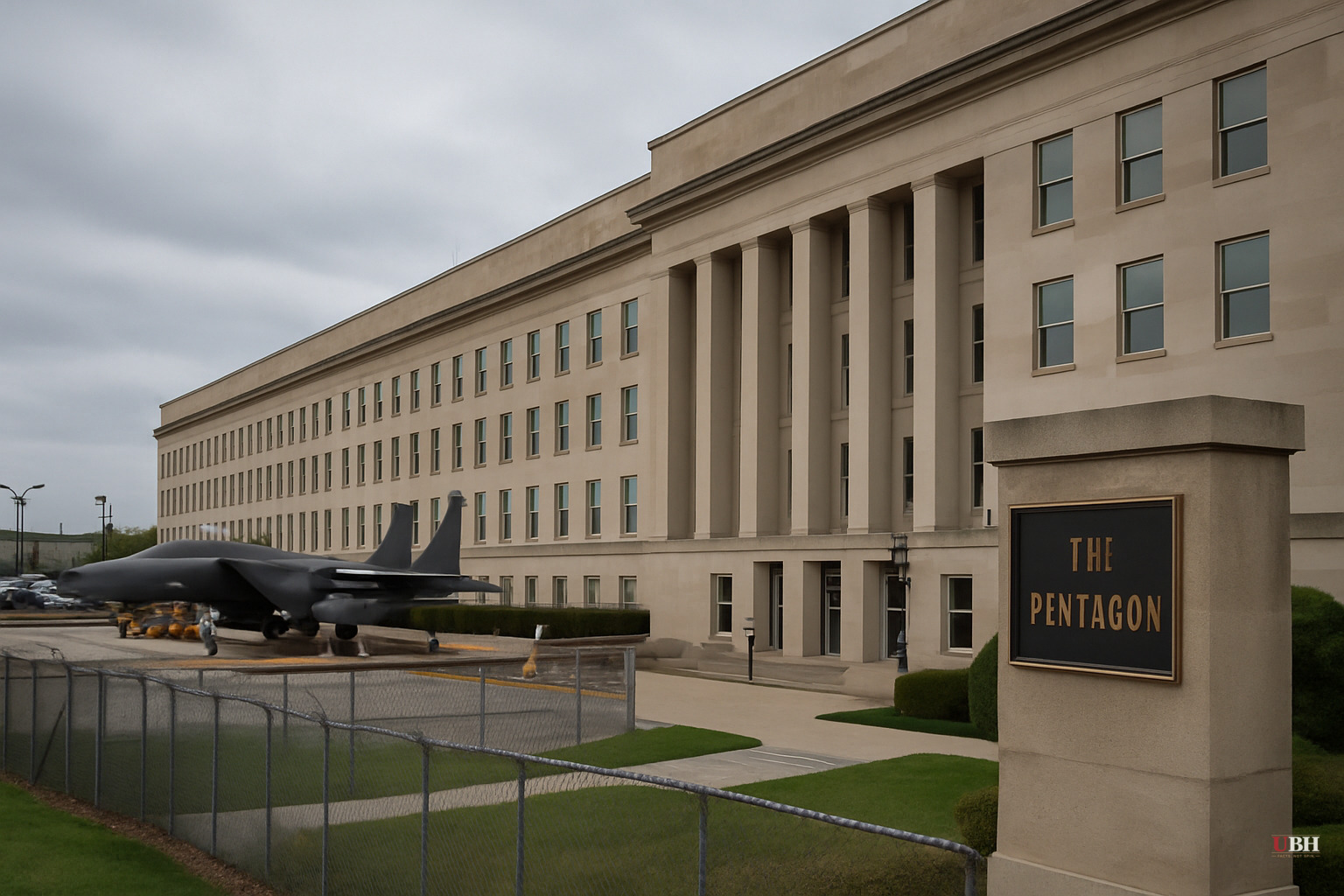
A new Government Accountability Office report makes clear the Pentagon's broader acquisition system is still badly broken.
12 Years and Counting
The GAO's annual weapons systems report to Congress found that the overall average time to deliver a major defense capability has grown to over 12 years. That figure comes directly from GAO's assessment of Major Defense Acquisition Programs, or MDAPs — the Pentagon's largest and most expensive procurement efforts.
The 12-year number is probably conservative. GAO noted that several MDAPs have stopped setting new delivery dates entirely, or are quietly pushing back critical interim milestones without formally revising their schedules. When programs don't update their own timelines, the average looks better on paper than it is in practice.
GAO's single overarching recommendation this year: require programs to begin development with mature technologies, and handle immature ones separately before folding them into a fielding program. The Pentagon agreed with the recommendation, according to the report.
The T-7 Trainer and Air Force One Are Both Slipping
The Air Force's T-7 trainer jet received specific attention. GAO called out "significant delays," attributing them to the need for additional engineering analysis, lower-than-expected aircraft availability driven by maintenance personnel shortages and a lack of spare parts, and software finalization timelines running longer than planned.
The Air Force did decide to begin T-7 production in April. But the majority of developmental testing won't be complete until April 2028, with lower-priority requirements not wrapping up until May 2029, according to GAO.
The VC-25B — the replacement Air Force One program — also drew scrutiny. GAO noted the program completed its final configuration design in October and resolved several schedule risks, including cabin pressure issues and hiring more skilled mechanics. However, other schedule risks remain, including detailed designs for aircraft interiors, fabrication of wire bundles, and rework to correct defects in structural modifications. As of October, the Air Force had approved only seven of about 80 certification plans for the aircraft and had not determined when operational testing will begin. Program officials told GAO that "the compressed time frame for testing continues to be the biggest risk for the program moving forward."
The 'Fast Track' Programs Aren't Fast Either
Middle Tier Acquisition authorities were created specifically to cut through the bureaucratic fog. MTA pathways are supposed to either design or field weapons within a five-year window. GAO found those programs are also blowing past their deadlines and still requiring extra time to develop technologies that aren't ready for deployment.
The pattern is consistent: whether the acquisition path is traditional or supposedly expedited, the Pentagon keeps running into the same problem. Starting programs before the underlying technology is proven leads to delays.
$126 Billion With a Hard Deadline
On top of the structural acquisition problems, the Defense Department is now racing a fiscal clock. According to Breaking Defense reporter Ashley Roque, the Pentagon received $152 billion in 2025 reconciliation funding — money that technically spans multiple fiscal years. But there's a catch: any funds not placed on contract by September 30 face an automatic 8.3 percent cut.
As of late April, only $26 billion of that total had been put on contract. That leaves roughly $126 billion to be obligated by September 30.
The pressure to spend fast creates tension with the GAO's core finding. The watchdog's entire argument is that programs fail because they rush into contracting with technologies that aren't ready. Now the Pentagon is being incentivized by law to contract at speed.
The Strongest Counterargument
Defense officials and their congressional backers would reasonably argue that the reconciliation deadline exists precisely to prevent the opposite problem: money sitting unspent while adversaries field new systems at a pace the U.S. cannot currently match. Moving $152 billion rapidly into contracts, even if some programs carry technology risk, may be preferable to returning billions to the Treasury. The urgency is real, not manufactured.
But the GAO data shows urgency without discipline produces 12-year timelines and programs that still can't field a working trainer jet. Speed and sloppiness are not the same thing, and the reconciliation clock doesn't change what happens when you contract around immature technology.
What Comes Next
The unanswered question sitting at the center of both reports: can the Pentagon's acquisition workforce physically place $126 billion on contract by September 30 without replicating the exact mistakes GAO just documented? GAO has not assessed the reconciliation spending pace specifically.
Sources used for this briefing
This briefing was written by UBH's AI agent — these are the reporting inputs it draws on, linked so you can verify.


