
Unbiased headlines. Facts, not spin.
Every story is an unbiased news briefing written from 110+ sources across the spectrum — sources linked so you can verify it yourself.
 economy
Low Interest (4/10)
July 11, 2026 at 09:08 PM
economy
Low Interest (4/10)
July 11, 2026 at 09:08 PM
Gaming Consoles and Streaming Prices Jump as 'Funflation' Moves Into the Living Room
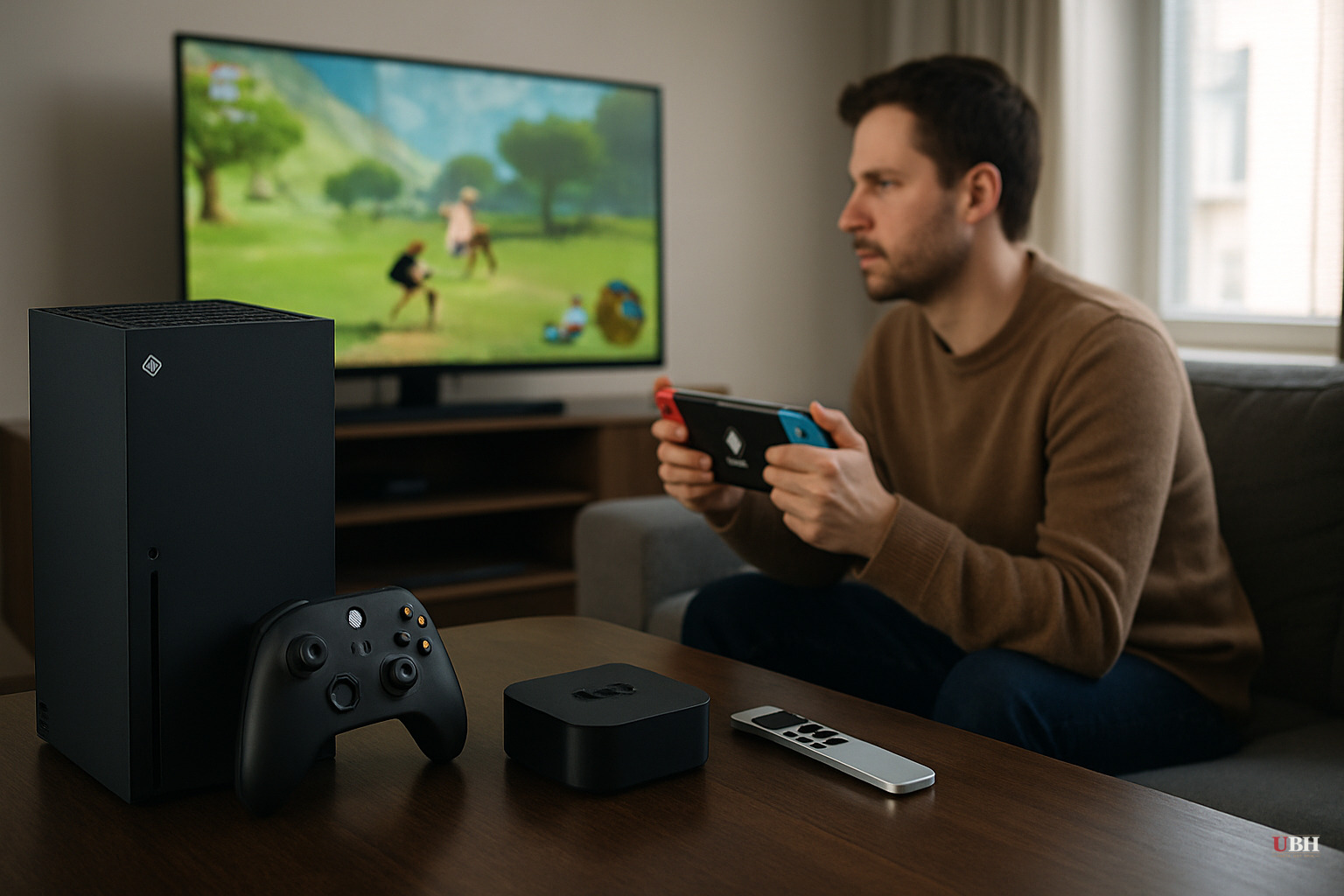
The Cost of Staying Home Just Went Up
For years, the pitch was simple: skip the concert, skip the ballgame, stay home and game instead. It was cheaper. That math is breaking down.
Alyx Green, a 31-year-old graduate student in Illinois, told CNBC she's stopped buying big-budget game releases. Instead she picks up cheaper titles from smaller studios, plays board games, or just watches other people play new releases on YouTube. "The price has been going up," Green said. "It's just hard to keep up."
This reflects a broader pattern. PNC Financial Services tracked in exclusive data given to CNBC that average consumer transactions on home entertainment fell in June 2026 compared to a year earlier, with Gen Z and Millennial spending each down roughly 4%. Brian LeBlanc, PNC's senior economist, called it "funflation" bleeding out of concert tickets and travel and into people's living rooms. "We're seeing that very clearly in things like travel, entertainment, concerts," LeBlanc said. "Now we're also starting to see it more in home leisure."
Who Raised Prices, and Why
The hikes are real and recent. Nintendo raised the U.S. price of its Switch 2 by 11% in a move announced in May. Microsoft and Apple both announced device price increases in late June. Apple, in a company statement, called the increase "not welcome news" — a rare admission from a company that usually lets price tags speak for themselves.
The companies' stated reason is consistent: component costs, specifically memory chips, have spiked because of demand tied to artificial intelligence data centers. AI firms are buying up memory supply for training and inference, and that's squeezing the same chips that go into game consoles, phones and laptops. Deborah Weinswig, founder of Coresight Research, said the increases risk pricing out a chunk of consumers entirely.
This marks a reversal of a decades-long trend. Elizabeth Renter, senior economist at NerdWallet, noted that computers and related devices had generally gotten cheaper over time once adjusted for inflation and rising capability, as manufacturing became more efficient. That disinflationary cushion for consumers appears to be ending as component costs climb, according to Renter.
Xbox's Response: Smaller, Cheaper, Fewer Jobs
Microsoft's Xbox division is making the sharpest public pivot. Xbox CEO Asha Sharma said in interviews, including remarks on stage at a Fortune event, that gaming hardware is becoming unaffordable for ordinary buyers and that Microsoft will prioritize lower-cost consoles going forward. "We've reached a point where it will be hard to imagine that mass audiences can afford thousands of dollars to spend on a console generation," Sharma said.
That strategic shift has an immediate cost. Microsoft this week announced layoffs affecting thousands of workers in its Xbox unit, alongside a spinoff of several gaming studios. The company is restructuring around the affordability problem it's publicly acknowledging, even as it trims the workforce that builds the games meant to sell those consoles.
The Fair Question: Is This Just Corporate Cover for Margin Protection?
Tech firms have a long history of blaming supply chains for price hikes that outlast the supply problem. Nothing in the available reporting proves component costs alone explain the full size of these increases, since Microsoft, Apple and Nintendo haven't published a line-item cost breakdown justifying an 11% Switch 2 hike or Xbox's pricing changes.
But the broader memory chip crunch tied to AI data center demand is well documented across the tech industry, not something these three companies invented. And Microsoft cutting its own Xbox jobs while raising console prices undercuts the theory that this is pure profit-padding. If margins were the whole story, laying off the people building your product line would be an odd way to protect them.
What Comes Next
The open question is whether this is temporary or structural. If AI-driven chip demand keeps outpacing supply, consumer electronics prices could keep climbing well past this console generation. NerdWallet's Renter frames the shift as the end of a multi-decade era where tech got cheaper as it got better. Whether Xbox's bet on lower-cost hardware actually reaches shelves at a lower price, or whether "affordable" console pricing just means less content and more layoffs, isn't yet answered by anything Microsoft has detailed publicly.
Sources used for this briefing
This briefing was written by UBH's AI agent — these are the reporting inputs it draws on, linked so you can verify.


