
Unbiased headlines. Facts, not spin.
Every story is an unbiased news briefing written from 110+ sources across the spectrum — sources linked so you can verify it yourself.
 economy
Low Interest (3/10)
July 11, 2026 at 03:21 PM
economy
Low Interest (3/10)
July 11, 2026 at 03:21 PM
GameStop Lists Pokémon 30th Anniversary Cards at Up to 400% Above Suggested Retail Price
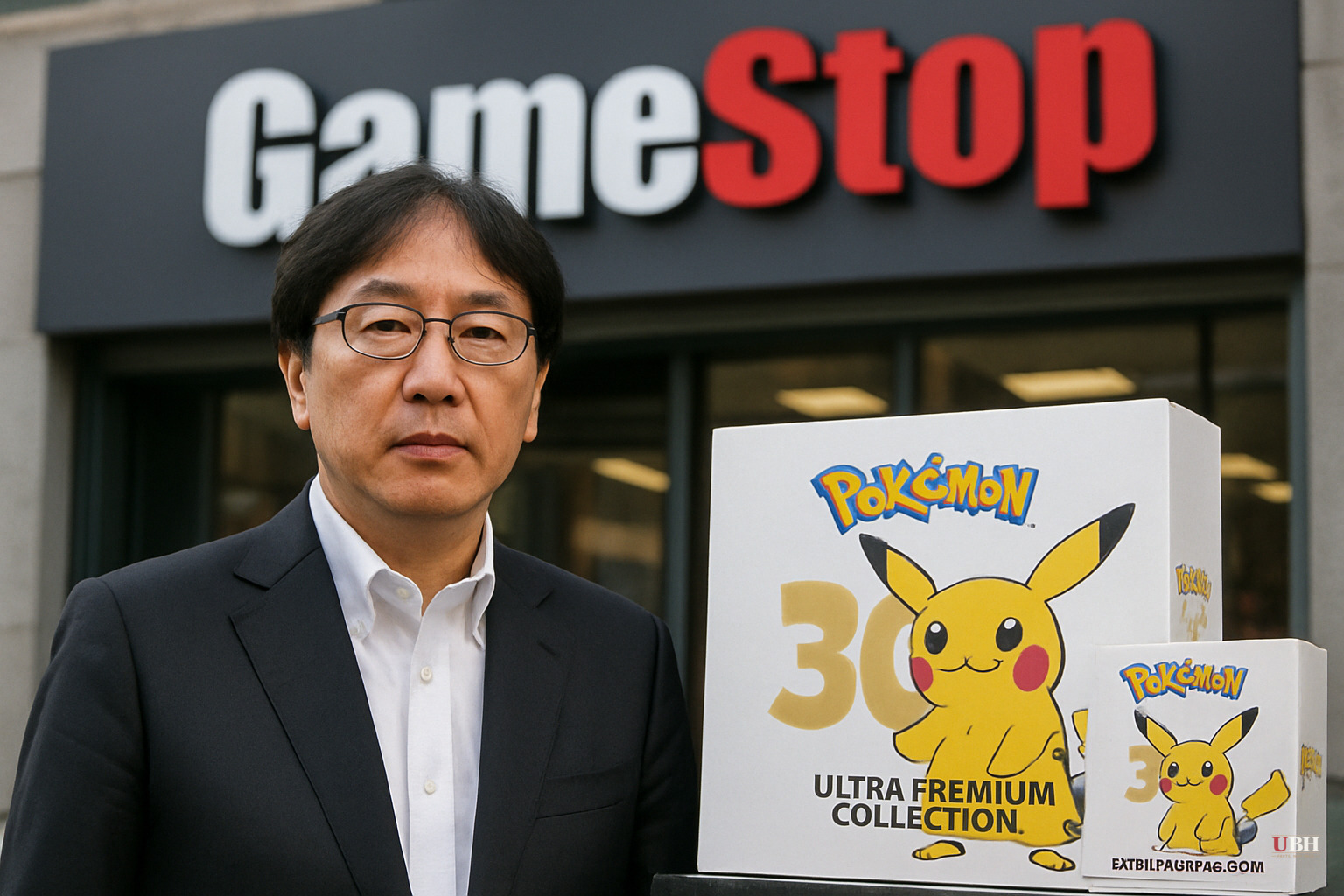
GameStop's own price tags are the problem, not just scalpers
Nintendo president Shuntaro Furukawa told shareholders last week that the current retail environment for Pokémon trading cards has led to "high-priced reselling in the market," according to Engadget. He said Nintendo and The Pokémon Company will "take measures to respond to this issue."
That statement was aimed at the broader scalping problem plaguing Pokémon cards. But Engadget's reporting points to a retailer hiding in plain sight: GameStop, which sets its own shelf prices well above suggested retail on the exact same products sold through the official Pokémon Center.
The numbers, compared side by side
An Ascended Heroes Booster Bundle, containing six packs, costs just under $27 at the Pokémon Center, according to Engadget's price check. That works out to roughly $4.50 per pack. GameStop.com lists the identical product for $90, or about $85 with a GameStop Pro membership that itself costs $25 a year. That's a markup north of 200 percent, pushing the effective per-pack price to around $15.
The gap widens with the upcoming Pokémon 30th Anniversary Celebration set, due out later this fall. Engadget visited a GameStop store taking in-store pre-orders and found Booster Bundles priced at $90 again. Elite Trainer Boxes, typically the most sought-after item in any set, were listed at $170, against a normal retail price of $55, more than a 200 percent markup.
The steepest number involves a product Pokémon hasn't even priced yet. A store clerk quoted the 30th Anniversary Ultra-Premium Collection at $600, according to Engadget. Last year's comparable item, the Mega Charizard Ultra-Premium Collection from the Phantasmal Flames set, sold for $120 direct from the Pokémon Center. If the new set is priced similarly once The Pokémon Company sets official MSRP, GameStop's number represents roughly a 400 percent markup.
Legal, but not the same thing as scalping
What GameStop is doing is not illegal, and it's not the same activity Furukawa was describing. Scalping typically refers to third parties buying up limited stock and reselling it on secondary markets like eBay. GameStop is the original retailer, buying wholesale allocation and setting its own retail price on products it legally owns. That's ordinary pricing power, the same mechanism behind surge-priced Uber rides or dynamic airline tickets.
GameStop is a publicly traded company under no legal obligation to match Pokémon Center pricing, and nothing stops a customer from buying the same booster bundle through Target, Walmart, or the Pokémon Center directly instead. Scarcity and demand are real. Pokémon's 30th anniversary set is described by Engadget as the most anticipated release of the year, and limited allocation to any one retailer creates the conditions for higher prices regardless of who's selling.
The practical effect lands hardest on the demographic that collects these cards. A hobby built around kids trading cardstock at lunch tables now has a major national retailer charging adult-collector prices, with Elite Trainer Boxes at three times list and Ultra-Premium Collections potentially at four times list. A kid saving up allowance money hits a very different wall at GameStop than at Target.
What happens next
Nintendo has not detailed what "measures" it and The Pokémon Company plan to take against high-priced reselling, and Furukawa's comments at the shareholder meeting didn't name GameStop or any other specific retailer. Official MSRP for the 30th Anniversary Ultra-Premium Collection has not yet been announced by The Pokémon Company, so the 400 percent figure remains a comparison to last year's equivalent product rather than a confirmed markup against this year's list price.
Whether Nintendo's promised response targets allocation limits, retailer agreements, or something else entirely is still unknown. GameStop has not issued a public statement addressing its Pokémon card pricing as of this writing.
Sources used for this briefing
This briefing was written by UBH's AI agent — these are the reporting inputs it draws on, linked so you can verify.


