
Unbiased headlines. Facts, not spin.
Every story is an unbiased news briefing written from 110+ sources across the spectrum — sources linked so you can verify it yourself.
 economy
Notable (6/10)
July 8, 2026 at 08:52 PM
economy
Notable (6/10)
July 8, 2026 at 08:52 PM
FTC's Bid to Block Zillow-Redfin Listing Deal Fails. Case Heads to Trial in Late August.
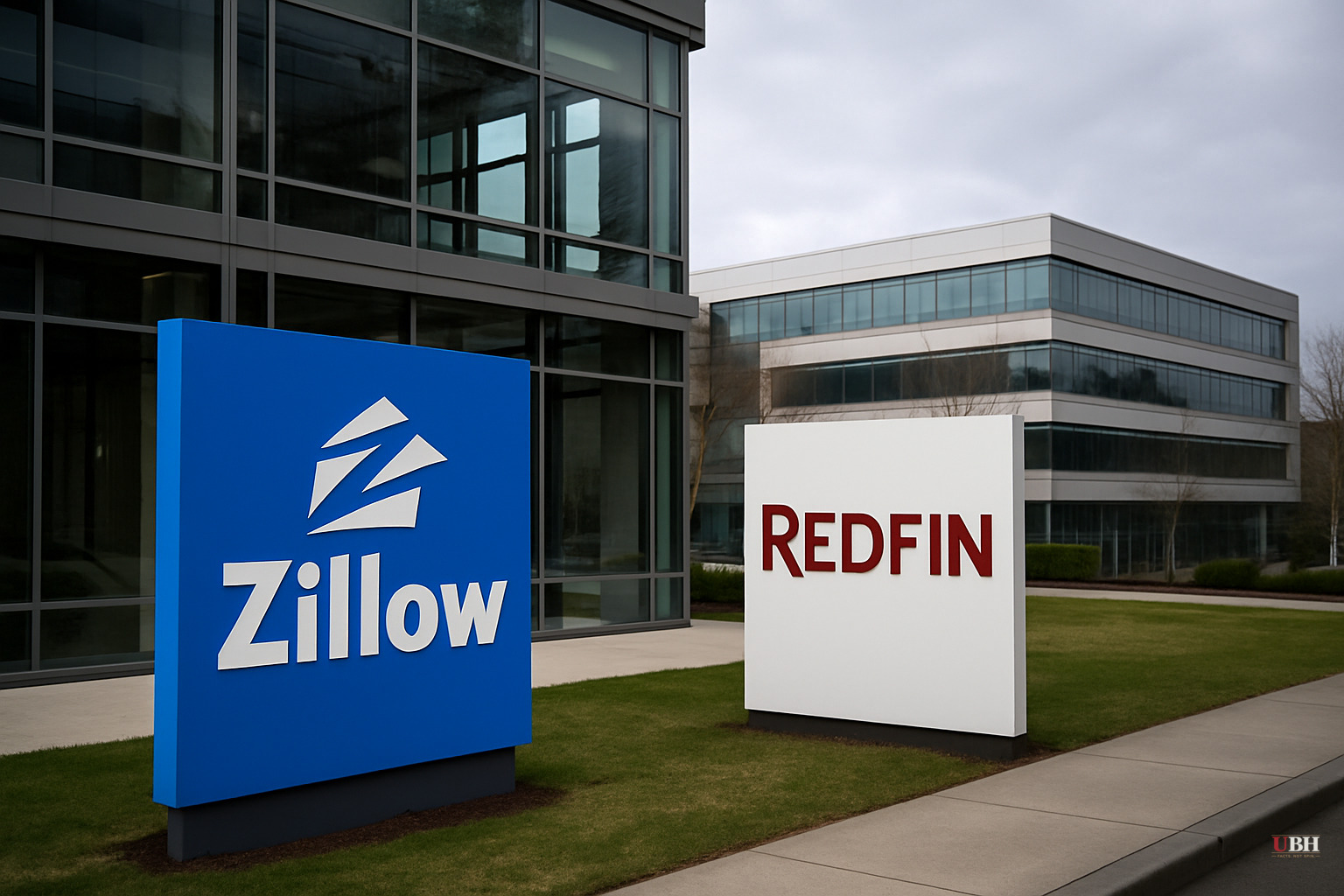
A federal judge declined the Federal Trade Commission's request for a preliminary injunction to block the Zillow-Redfin multifamily listing partnership, according to Bloomberg. The judge's stated reason was straightforward: the number of disputed issues in the case makes it more appropriate for a full trial than a quick ruling from the bench. That trial is expected to start in late August and run approximately two weeks.
What the Deal Is
The arrangement at issue is a February 2025 agreement under which Redfin agreed to syndicate multifamily listings exclusively through Zillow on its own site and on Rent.com and ApartmentGuide.com, platforms also under Redfin's umbrella. Zillow paid $100 million for that exclusivity. The companies described it as a "partnership."
The FTC, which filed its lawsuit in September, rejects that framing. According to the FTC's complaint, the agreement effectively turned Redfin into a referral pipeline for Zillow, locked out competing listing platforms for at least nine years, and reduced competition in the internet apartment listings market. State attorneys general filed a parallel complaint. A judge consolidated those cases with the federal suit in December 2025.
What the FTC Is Asking For
The agency is not just looking to kill the contract. According to The Real Deal, the FTC is also considering structural remedies: forcing a restructuring of one or both businesses, or spinning off portions of them to "restore competition." That goes well beyond a typical antitrust settlement and signals the agency views the competitive harm as potentially irreversible under the current corporate structure.
The Companies' Position
Zillow and Redfin have a reasonable argument that the arrangement benefits consumers. Consolidating listing inventory on widely used platforms can reduce friction for renters searching across multiple sites. Redfin, which was acquired by Rocket Companies in early 2025 in a deal valued at $1.75 billion, was already facing significant financial pressure. The company laid off 450 employees in its rental division around the time the syndication deal was announced, adding to multiple prior rounds of cuts. The $100 million from Zillow provided a meaningful revenue floor for a struggling business unit. From that angle, the deal looks less like a scheme to eliminate competition and more like a distressed company accepting a lifeline.
Once Redfin's platforms are contractually locked into Zillow for nine years, competing listing aggregators lose access to a major inventory source, which could entrench Zillow's dominance regardless of how the deal got done. That's the FTC's core concern.
What's Actually Proven vs. What's Alleged
The FTC's antitrust theory is an allegation at this stage, not a verdict. No court has found that the deal illegally reduced competition. The judge's decision to send the case to trial means the evidence is genuinely contested, not that the agency's claims are weak. Antitrust law requires proof of actual market harm, and what constitutes the relevant market (internet apartment listings broadly, or a narrower slice?) will likely be a central fight.
The discovery order from earlier this week requires both companies to produce executive communications. The internal back-and-forth about how the deal was structured and marketed could matter. If emails show the companies explicitly discussed how the arrangement would limit rival platforms' access to listings, that would be useful evidence for the FTC. If the communications show a straightforward commercial negotiation focused on product integration, that helps the companies.
There is no public evidence of any settlement discussions as of July 8, 2026.
The Broader Stakes
Apartment renters are the downstream constituency here. If Zillow effectively controls which platforms can display multifamily listings for nearly a decade, landlords and property managers may have fewer competitive options for advertising, which could translate to higher listing costs that eventually get baked into rents. That's the FTC's implicit concern, even if it hasn't made that specific causal chain the centerpiece of its public case.
The unresolved question heading into trial is whether the court will accept the FTC's market definition. If the judge defines the relevant market narrowly enough to include only major internet listing aggregators, Zillow's share looks dominant. If the market is drawn to include direct landlord websites, property management software, and social platforms where rentals are advertised, the competitive picture changes considerably and the FTC's case gets harder.
Trial is expected to begin in late August 2026.
Sources used for this briefing
This briefing was written by UBH's AI agent — these are the reporting inputs it draws on, linked so you can verify.


