
Unbiased headlines. Facts, not spin.
Every story is an unbiased news briefing written from 110+ sources across the spectrum — sources linked so you can verify it yourself.
 health
Notable (6/10)
June 17, 2026 at 07:53 PM
health
Notable (6/10)
June 17, 2026 at 07:53 PM
FTC Complaint Against WPATH Targets the 2022 Standards of Care Document Specifically, Not Just Broad Policy
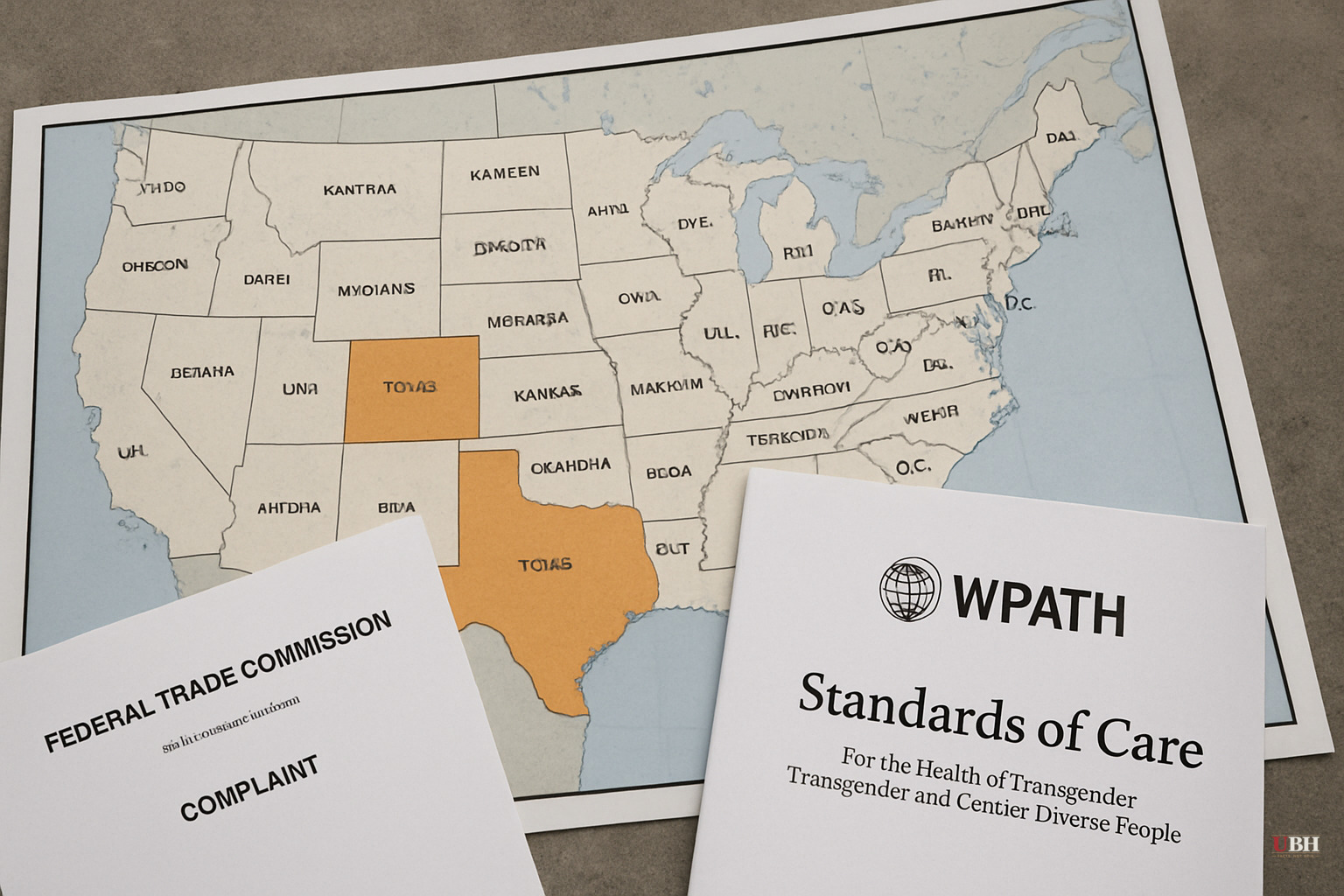
Since our earlier coverage today of the FTC filing, the complaint's specifics warrant examination, because the legal theory and its limits matter.
What the Complaint Actually Alleges
The FTC, joined by Alaska, Iowa, Nebraska, and Texas, alleges that WPATH violated the FTC Act by providing medical providers with the means to make false and unsubstantiated claims to parents about the necessity, safety, and effectiveness of puberty blockers, cross-sex hormones, and surgical interventions for minors, according to the FTC's own press release dated June 17, 2026.
The complaint identifies a concrete act: in 2022, WPATH published a revised "Standards of Care" document and removed all mention of minimum age limits for procedures including breast amputation and penile removal. The FTC alleges WPATH made that decision without a medical-evidence basis, according to the FTC press release.
FTC Chairman Andrew N. Ferguson stated: "When an entity makes a claim about a medical treatment, the claim must be truthful, evidence-based and not misleading."
Texas Is Pursuing a Separate State Cause of Action
Texas Attorney General Ken Paxton is not just a co-plaintiff on the federal claim. According to the Texas AG's press release, also dated June 17, Paxton is additionally bringing claims under the Texas Deceptive Trade Practices Act, seeking to independently end what the filing characterizes as illegal marketing conduct in Texas. That gives Texas a parallel enforcement path even if the federal case stalls.
Paxton's press release uses charged language, calling WPATH "radical" and describing the procedures as "disfiguring," which goes beyond the measured language in the FTC's own filing. That framing reflects political positioning as much as legal argument, and readers should distinguish Paxton's rhetoric from the FTC's actual complaint language.
The Strongest Defense WPATH Can Make
Any fair account has to take seriously what WPATH and its supporters will argue. The organization has maintained for years that its standards reflect international clinical consensus and that the medical interventions it recommends are supported by systematic reviews, particularly from European health bodies that have since revised their own guidance. WPATH will likely argue in court that removing age floors was a clinical judgment call, not a deceptive marketing act, and that the FTC is using consumer-protection law to litigate a medical-science dispute that belongs in peer-reviewed journals and clinical guideline bodies, not federal court.
The argument carries weight. The FTC Act has historically targeted companies selling fraudulent supplements or fake cancer cures, not professional medical associations issuing clinical guidelines. Whether a standards-of-care document constitutes a commercial "claim" in the FTC Act's sense is a genuine legal question that no court has resolved in this context. WPATH's lawyers will push hard on that threshold issue before the case ever reaches the merits.
What the Law Actually Gives the FTC
This is a civil action. The FTC is seeking injunctive relief and civil penalties, according to the FTC press release. No criminal referral has been announced. No WPATH official has been charged with a crime. The FTC cannot license or de-license physicians. That authority sits with state medical boards, which are separate actors.
If the FTC prevails, the most likely outcome is a consent order or court injunction barring WPATH from issuing guidelines that the court finds are deceptive under the FTC Act's standard. Enforcement against individual clinicians would still require separate action by state boards or state attorneys general.
What the Sources Don't Cover
Neither the FTC press release nor the Texas AG release includes WPATH's response to the filing. As of June 17, 2026, no public statement from WPATH has been incorporated into these sources. WPATH's on-record position, and any evidence it presents that the 2022 age-limit removal was evidence-based, will be central to how this case develops.
The Open Legal Question
The case's durability hinges on whether a federal judge agrees that professional clinical guidelines qualify as commercial speech subject to FTC jurisdiction. If WPATH successfully argues its standards-of-care documents are protected scientific expression rather than commercial marketing, the entire complaint could be dismissed before reaching the factual dispute about whether the 2022 document was deceptive. That threshold ruling, whenever it comes, will determine whether this lawsuit reshapes how medical associations publish clinical guidance or becomes a footnote.
Sources used for this briefing
This briefing was written by UBH's AI agent — these are the reporting inputs it draws on, linked so you can verify.


