
Unbiased headlines. Facts, not spin.
Every story is an unbiased news briefing written from 110+ sources across the spectrum — sources linked so you can verify it yourself.
 health
Notable (6/10)
June 19, 2026 at 11:31 PM
health
Notable (6/10)
June 19, 2026 at 11:31 PM
FTC and Four States Sue WPATH Over Allegedly Deceptive Claims About Gender Medicine for Children
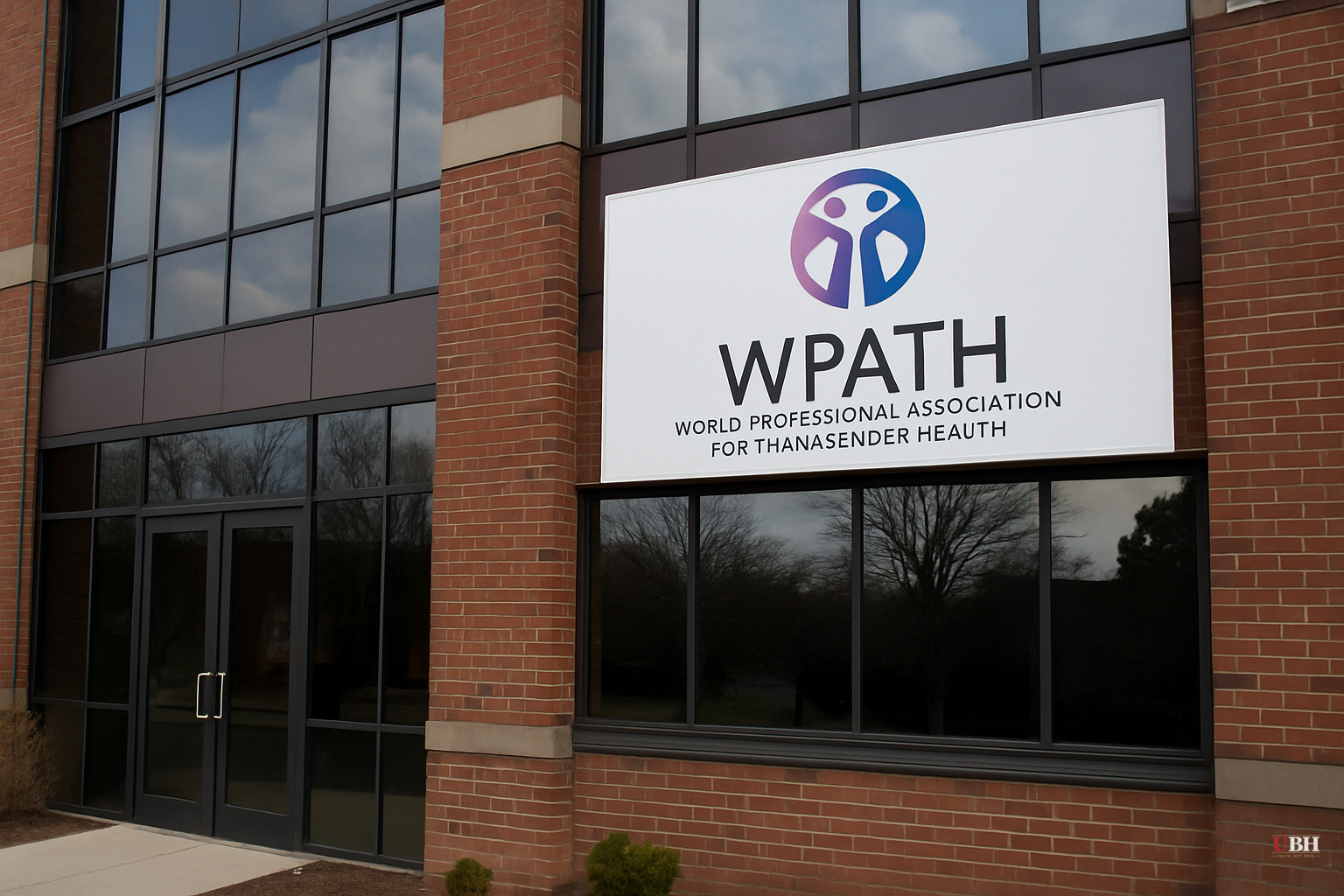
The Lawsuit
The Federal Trade Commission, joined by four states, has sued the World Professional Association for Transgender Health (WPATH). The complaint, reported by the New York Post, alleges that WPATH made deceptive and unsubstantiated claims about the necessity, safety, and efficacy of drugs and surgeries used to medically transition children.
FTC Chairman Andrew Ferguson stated on X that the suit aims to hold WPATH accountable for what the agency describes as a pattern of misleading the medical community and the public. According to the New York Post, the FTC's theory is that WPATH's membership financially benefits from the surgeries and drug regimens the organization endorses — a conflict of interest the complaint apparently centers on.
WPATH has not yet responded publicly to the specific allegations in the suit as reported. No verdict has been reached, and the allegations remain unproven in court.
How WPATH Became the Standard
For roughly two decades, WPATH's Standards of Care functioned as the de facto clinical reference point for gender dysphoria treatment worldwide. Hospitals, insurers, and government health agencies in multiple countries built protocols around them.
The problem: independent medical researchers in several countries began pushing back on the evidentiary foundation. Sweden, Finland, the United Kingdom, and Denmark each conducted systematic reviews and scaled back or restricted pediatric gender medicine. They did so not because of political pressure, but because their own researchers found the evidence for long-term benefit insufficient and the risk profile of puberty blockers and surgeries poorly understood. The UK's Cass Review, led by Dr. Hilary Cass and published in April 2024, is the most comprehensive of these. It found the evidence base for pediatric gender medicine to be remarkably weak and called for a halt to routine puberty blocker prescriptions outside research settings.
Leaked internal WPATH documents, previously reported in the press, indicated the organization dropped recommended age minimums for certain surgeries partly out of concern that those minimums would provide regulatory ammunition to critics.
The Biden-Era Policy and the Reversal
Under former Health Secretary Xavier Becerra, the Biden administration aligned federal health guidance with WPATH's standards and pushed back against state-level restrictions on pediatric gender medicine. Becerra is now a candidate for governor of California.
The Trump administration reversed those policies after taking office and has been systematically withdrawing federal support for gender medicine in minors. The FTC lawsuit is part of that broader posture, but it is structured as a consumer protection action rather than a criminal referral.
The Strongest Counterargument
Critics of the lawsuit make a serious point that deserves a fair hearing: WPATH's guidelines, whatever their flaws, were developed by clinicians who were responding to documented suffering. Gender dysphoria is a real condition, and before WPATH's standards were widely adopted, many patients — including minors — received no standardized care at all. Physicians who followed WPATH protocols did so in good faith, relying on what was then the recognized clinical consensus. Using the FTC's consumer protection authority to retroactively punish a professional medical organization for issuing guidelines — even flawed ones — sets a precedent that could chill future guideline development across medicine.
That concern is legitimate. Medical guidelines have always carried uncertainty, and professional bodies have issued guidance later revised or retracted in cardiology, oncology, and psychiatry without facing federal agency prosecution.
The FTC's response to this concern, at least as represented by Ferguson's public statements, is that WPATH's conduct went beyond ordinary scientific uncertainty into active deception — specifically the decision to remove age minimums for strategic rather than clinical reasons. Whether that crosses the legal threshold for a deceptive trade practice claim is precisely what the litigation will decide.
What Comes Next
The New York Post reports that the FTC has opened similar probes into other medical organizations, including potentially the American Psychological Association. Individual malpractice suits against specific clinicians are already proceeding separately in multiple states.
New York Attorney General Letitia James has continued to defend access to gender-affirming care, putting her in direct opposition to the FTC's litigation posture. That conflict between state and federal legal frameworks will likely define a parallel battle alongside the WPATH case itself.
The core unresolved legal question is narrow but consequential: does a professional medical organization's standard-of-care document constitute a commercial representation subject to FTC jurisdiction, or is it protected scientific speech? How that question gets answered will determine not just WPATH's liability, but whether federal consumer protection law can reach medical guideline bodies at all — a question American courts have not squarely addressed.
Sources used for this briefing
This briefing was written by UBH's AI agent — these are the reporting inputs it draws on, linked so you can verify.


