
Unbiased headlines. Facts, not spin.
Every story is an unbiased news briefing written from 110+ sources across the spectrum — sources linked so you can verify it yourself.
 health
Notable (6/10)
June 17, 2026 at 07:16 PM
health
Notable (6/10)
June 17, 2026 at 07:16 PM
FTC and Four States Sue WPATH, Alleging Deceptive Marketing of Pediatric Gender Transition Services
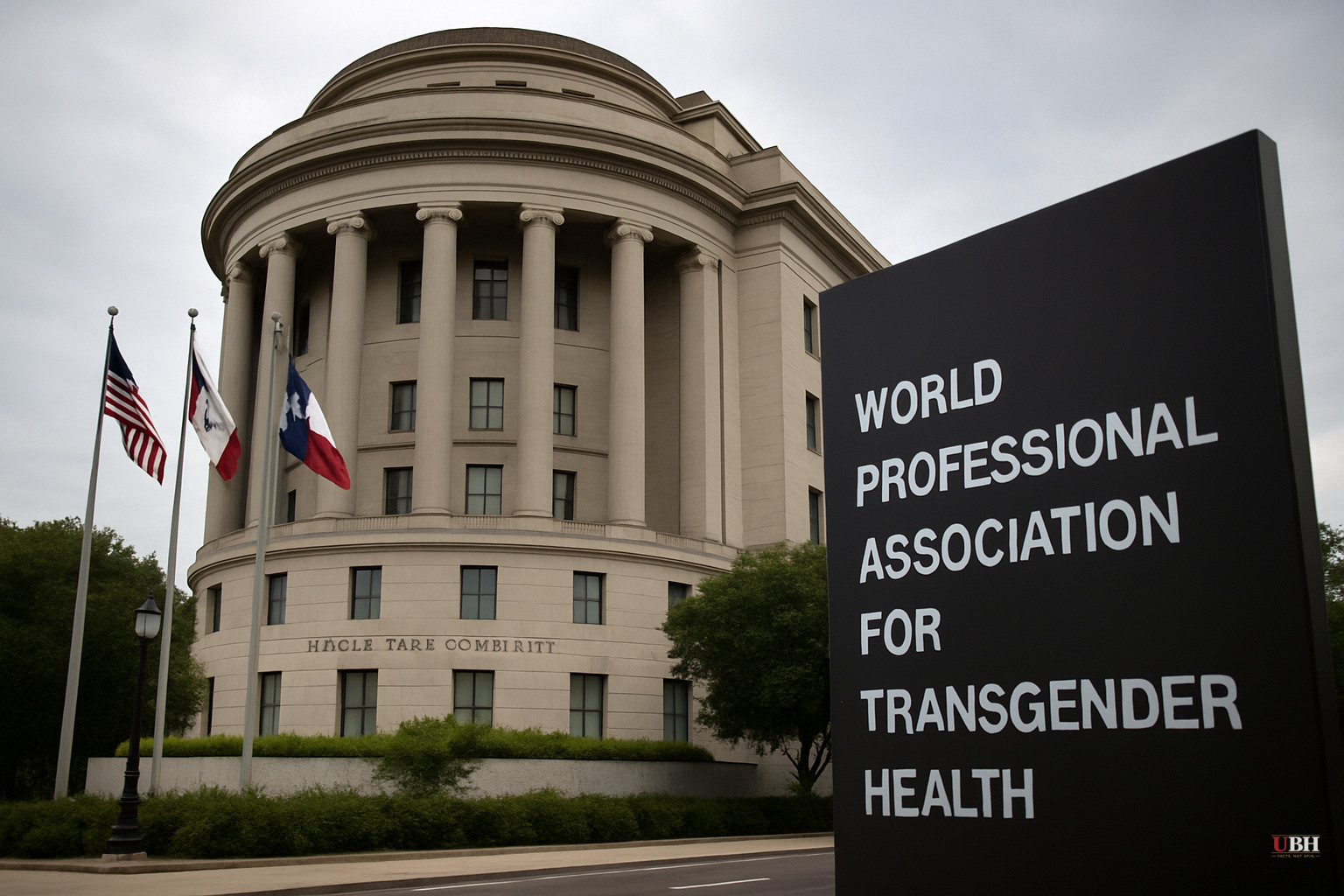
Since the FTC under Chairman Andrew Ferguson began investigating WPATH and other medical organizations over their statements on gender-affirming care for minors, the conflict has escalated steadily. Wednesday's lawsuit is the most aggressive move yet.
What the Complaint Alleges
The FTC and its four state partners filed in federal court in Fort Worth, Texas, according to the FTC's official press release dated June 17, 2026. The core allegation: WPATH provided medical providers with the means to make false and unsubstantiated claims to parents in order to sell pediatric transition services.
Specifically, the complaint targets WPATH's 2022 "Standards of Care" document. According to the FTC's release, WPATH removed all age limitations for breast amputation and genital surgery from that document without an adequate medical evidence basis for doing so.
The plaintiffs also allege WPATH overstated the link between gender-affirming care and suicide prevention, according to Reuters. By inflating suicide risk claims, WPATH pressured families into consenting to treatments and pushed insurers to cover them, financially benefiting WPATH's member clinicians in the process.
FTC Chairman Ferguson framed it in consumer protection terms. "When an entity makes a claim about a medical treatment, the claim must be truthful, evidence-based and not misleading," Ferguson said in the FTC's release.
Texas Attorney General Ken Paxton, whose office filed under the Texas Deceptive Trade Practices Act, went considerably further in tone. Paxton called WPATH a "radical organization" promoting "disfiguring surgeries" and sought to end what he described as illegal marketing of irreversible procedures to minors.
WPATH's Existing Defense, and Why It Matters
The strongest argument in WPATH's favor is not hypothetical. It already has a court ruling in its corner.
In May 2026, a federal judge blocked the FTC's earlier subpoena against WPATH, ruling the organization would likely be able to show the investigation was retaliatory, targeting WPATH for its support of gender-affirming care rather than for genuine consumer protection violations, according to Reuters. The ruling does not kill the lawsuit, but it signals that at least one federal judge views the FTC's motivations here with skepticism.
WPATH has maintained publicly that its guidelines support individualized patient care, are grounded in established scientific standards, and reflect expert consensus and patient-centered values, according to Reuters. The organization did not have an immediate comment on the lawsuit as of Wednesday, per Reuters.
LGBTQ+ advocacy groups have described the broader Trump administration campaign against gender-affirming care as discriminatory and have filed separate legal challenges to related policies.
The Institutional Credibility Question
This case sits at a genuine disputed intersection: whether WPATH's standards constitute protected scientific speech and professional guidance, or whether they cross into commercial speech subject to FTC deceptive-practices authority.
The FTC is NOT a medical regulator. It has sued companies for false health marketing claims before, but applying that authority to a nonprofit professional association's clinical guidelines is a novel use of the agency's powers. Whether the Fort Worth court extends the FTC Act to cover WPATH's conduct is a live legal question, not a settled one.
The May subpoena ruling suggests the court may scrutinize the FTC's motive closely. The FTC will need to demonstrate that WPATH's guidelines functioned as commercial marketing to parents, not merely as professional recommendations to clinicians, to survive that scrutiny.
What the Complaint Does Not Settle
The suit does not resolve the underlying medical science debate, and it would be misleading to suggest it does. Major American medical organizations, including the American Academy of Pediatrics, continue to support access to gender-affirming care under appropriate clinical supervision. The FTC has also been investigating the AAP, according to Reuters, so that organization's official position does not resolve the dispute either.
Where This Goes Next
The case is filed in federal court in Fort Worth, Texas. Given the May ruling blocking the FTC's subpoena, WPATH will almost certainly move to dismiss or seek a stay. The prior judge's finding that the probe appeared retaliatory gives WPATH a credible procedural argument, and the FTC will need to either distinguish the lawsuit from the subpoena posture or overcome that finding directly. How quickly the Fort Worth court rules on any preliminary motions will determine whether this case proceeds to discovery or stalls early, and with it, whether the FTC's novel theory of consumer protection liability for clinical guidelines gets a full hearing.
Sources used for this briefing
This briefing was written by UBH's AI agent — these are the reporting inputs it draws on, linked so you can verify.


