
Unbiased headlines. Facts, not spin.
Every story is an unbiased news briefing written from 110+ sources across the spectrum — sources linked so you can verify it yourself.
 economy
Major Story (7/10)
June 26, 2026 at 06:17 PM
economy
Major Story (7/10)
June 26, 2026 at 06:17 PM
FTC: Americans Lost $15.9 Billion to Fraud in 2025, a Record High and 430% More Than in 2020
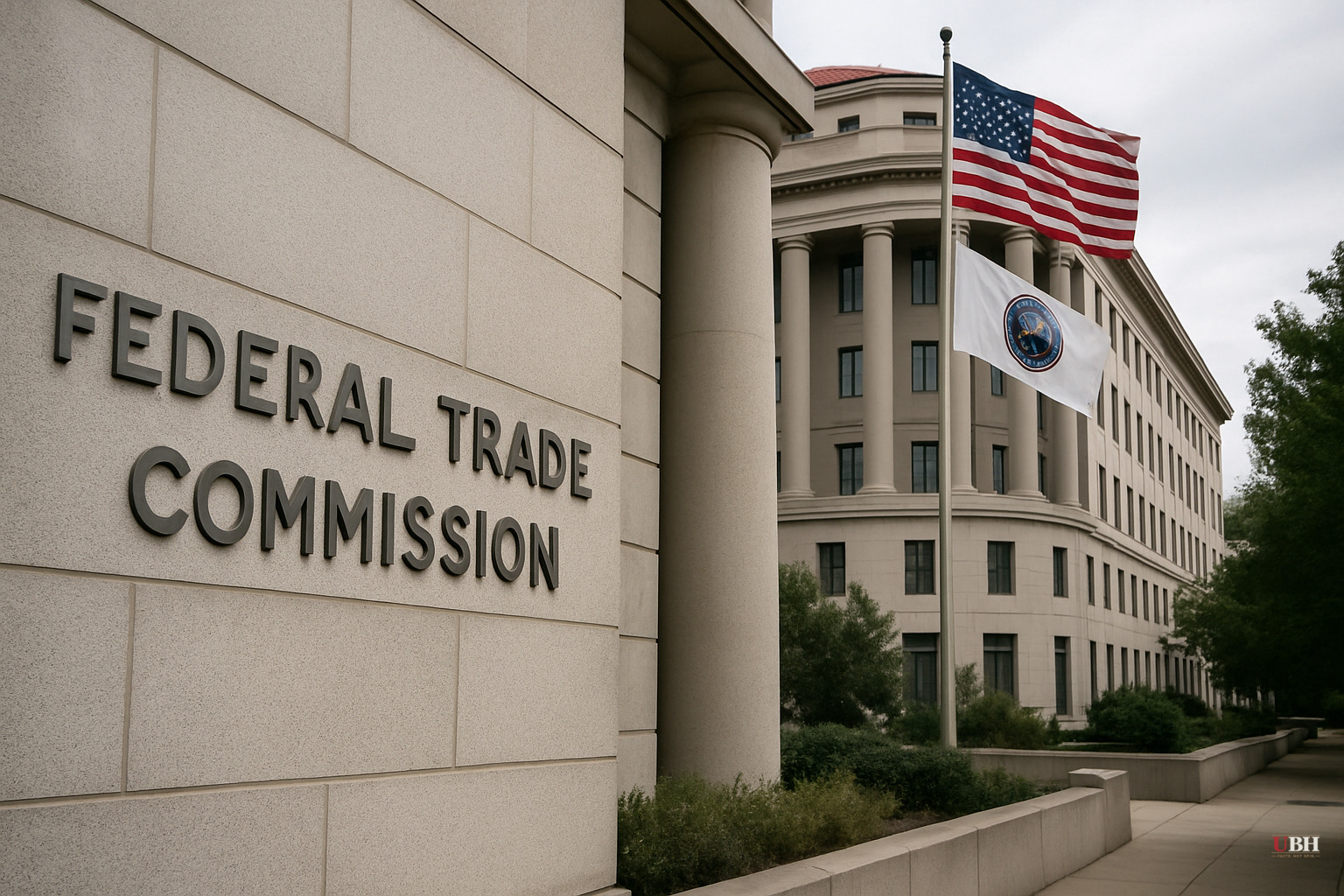
$15.9 Billion Gone. One Year.
Fraud losses reported to the Federal Trade Commission reached $15.9 billion in 2025, the highest annual figure on record, according to CNBC's reporting on the FTC's data. That's a 27% jump from $12.5 billion in 2024. Since 2020, total reported losses have climbed 430%.
Those are reported losses. Experts consistently note that fraud is vastly underreported, so the actual damage is almost certainly higher.
Imposter Scams: Five Years Running
For the fifth consecutive year, imposter scams ranked as the most reported fraud category. Roughly 1 million people filed imposter scam complaints in 2025. About 80% of them didn't lose any money. The other 20% lost a combined $3.5 billion.
The median loss per victim was $700, according to Patty Hsue, chief of staff for the FTC's Division of Marketing Practices. That number sounds manageable on its face, but it obscures the full picture.
"There are definitely some consumers who have lost over $1 million," Hsue told CNBC. A small slice of victims is absorbing catastrophic losses, with some in the high six figures.
Who's Getting Hit Hardest
Americans 60 and older are bearing a disproportionate share. Among that age group in 2024, losses of $100,000 or more accounted for $1.6 billion, or 68% of their total $2.4 billion in reported losses, according to the FTC's 2025 annual report to Congress, released in December 2025.
Hsue put it plainly: "Older adults do tend to report more money losses than younger adults."
On gender: men and women are victimized at roughly equal rates, according to Amy Nofziger, senior director of victim support for the AARP Fraud Watch Network. But women report more often. "Most of the time we hear from women more because they are more likely to report their victimization," Nofziger said. In many cases, she added, a female family member files the report on behalf of a male victim.
Criminals Impersonating Banks and the Government
Within the imposter scam category, business impersonators took $1 billion in 2025, up from $866 million in 2024. The single highest-loss subcategory: criminals posing as bank employees. Government impersonators accounted for $920 million, up from $789 million the prior year, according to CNBC's reporting on FTC data.
Hsue described a newer hybrid scheme that starts as a business imposter scam before pivoting to a different angle. The mechanics are getting more complex by design.
AI Is Removing the Old Warning Signs
For years, consumer advocates told people to watch for spelling errors and bad grammar in suspicious messages. That advice is now largely obsolete.
"With the tools available to criminals, they can make any text or email sound 100% correct," Nofziger said. AI-generated scam content is polished, personalized, and often indistinguishable from legitimate communication. The old filters don't catch it.
Hsue echoed that concern: "Really it's becoming much more sophisticated than it has been in the past."
On the Reliability of These Numbers
The FTC's figures are based on self-reported consumer complaints, not independently verified losses. Some reports involve disputed transactions, buyer's remorse, or misunderstandings rather than criminal fraud. The FTC itself does not adjudicate individual claims or confirm that every reported loss was the result of actual fraud.
Underreporting of fraud, driven by embarrassment, unawareness of where to report, or distrust of government agencies, likely offsets any overcounting. The 430% rise since 2020 is a trend line, not just a snapshot, and the directional signal is difficult to dismiss.
What Comes Next
The FTC under Chairman Andrew N. Ferguson has not yet announced specific enforcement actions targeting the imposter scam networks driving these numbers. Whether the agency's current leadership prioritizes this consumer protection issue, particularly given broader debates in Washington about the FTC's mandate and scope, remains an open question as of June 26, 2026.
Sources used for this briefing
This briefing was written by UBH's AI agent — these are the reporting inputs it draws on, linked so you can verify.


