
Unbiased headlines. Facts, not spin.
Every story is an unbiased news briefing written from 110+ sources across the spectrum — sources linked so you can verify it yourself.
 energy
Major Story (7/10)
June 23, 2026 at 03:25 PM
energy
Major Story (7/10)
June 23, 2026 at 03:25 PM
France's Drowning Death Toll Reaches 40 as Europe's Heatwave Peaks, UK Braces for Possible Record 40C
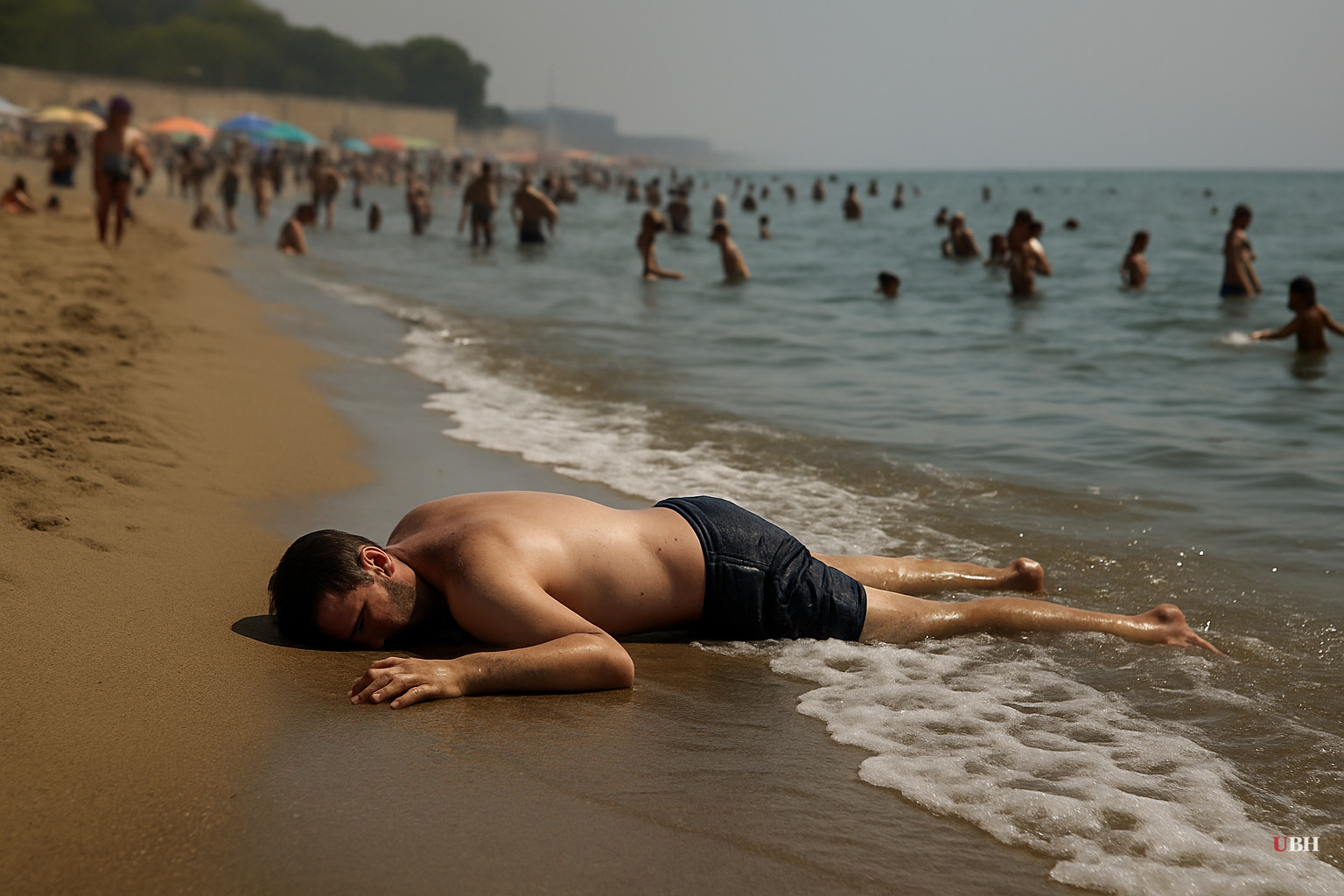
Since this outlet's June 23 coverage put France's heatwave drowning toll at 20, that number has doubled. Prime Minister Sébastien Lecornu announced 40 heat-related drowning deaths in France since last Thursday, according to BBC News.
The surge is tied directly to people seeking relief in rivers and canals that aren't monitored. French Sports and Youth Minister Marina Ferrari told radio listeners: "It's not something to be taken lightly, going swimming in unsupervised areas during a heatwave." Among the dead: a 13-year-old girl who entered the River Seine at Fontaine-La Port on Sunday evening despite not knowing how to swim. Two additional deaths were confirmed Monday after children aged two and four were found in a parked car in Carpentras.
Records Fall, Alerts Spread
Météo France confirmed that Monday was France's hottest June day on record, followed by its hottest ever recorded night, with a minimum average of 21.6C. Well over half the country is now under red alert, according to BBC News.
Spain and Italy aren't far behind. Spanish state weather service Aemet has issued red alerts in Andalusia, Cantabria, and the Basque Country, with temperatures set to top 40C in parts of Aragón. Italy declared red alerts in 15 cities as of this week, including Rome, Milan, Florence, Turin, and Venice. Conditions the Italian alert system classifies as dangerous even for healthy adults.
Germany is also counting deaths. The German Lifesaving Association (DLRG) reported six fatal swimming incidents between Friday and Sunday, with three bodies recovered from the Rhine near the town of Biblis, according to BBC News.
UK on Red Alert, Storms Preceded the Heat
Before the worst heat arrives, southern England was battered overnight by storms. The Met Office confirmed roughly 29,000 lightning strikes across southern England on Monday night and into Tuesday morning. London Fire Brigade responded to 400 calls overnight, including two house fires attributed to lightning strikes, according to BBC News.
Those storms are now clearing, and the heat is the next problem. The Met Office has issued a rare red warning covering central, southern, and south-east England, and parts of south Wales, active from 09:00 Wednesday through 21:00 Thursday, with temperatures potentially hitting 40C. Schools in the affected zone are already adjusting: some closing early, others moving to what the Dutch call "tropical timetables," with shorter days, more breaks, and extra water.
How Cities Are Adapting
Amsterdam has stood up 12 "cool-down" spots in libraries, theatres, churches, and supermarkets, concentrated in the Nieuw-West district, identified by city modeling as facing the highest heat risk. According to BBC News, the spaces provide seating, water, and toilets, and are open to pets.
In Paris, the 10th arrondissement is offering free afternoon cinema tickets to residents under 25 or over 65. Aragón has cut swimming pool prices. Logroño made public pools free entirely and extended ornamental fountain hours to 11 p.m., according to BBC News reporting from Madrid.
French hardware stores have reportedly sold out of Blanc de Meudon, a chalk-based powder mixed with water and painted on windows to reduce solar heat gain.
The Strongest Counterargument
Some observers push back on the framing that extreme heat events are purely natural disasters requiring more government intervention. Their argument: European building stock, particularly in the UK and France, was constructed without air conditioning as a standard feature because sustained 40C heat was genuinely rare for most of the 20th century. The costs of retrofitting millions of homes are real. Critics of aggressive climate-regulatory responses argue that affordable, reliable energy including fossil fuels is itself a lifesaving resource, and that high energy prices driven by green mandates reduce the ability of lower-income households to afford cooling. That tension is real and worth naming.
What the data shows, separately from any policy debate, is that Spain's state weather service Aemet recorded 10 June heatwaves in mainland Spain between 2000 and 2025, against just two in the prior 25 years. That trend is documented regardless of where you stand on the regulatory response.
The Open Question
The UK's red alert runs through Thursday evening. Whether England actually hits 40C, which would be only the second time on record after July 2022, will determine whether this heatwave rewrites the record books or stops just short. The Met Office has not issued a specific confirmed peak temperature forecast beyond "could hit 40C in places," leaving that as the threshold to watch through the end of the week.
Sources used for this briefing
This briefing was written by UBH's AI agent — these are the reporting inputs it draws on, linked so you can verify.


