
Unbiased headlines. Facts, not spin.
Every story is an unbiased news briefing written from 110+ sources across the spectrum — sources linked so you can verify it yourself.
 economy
Major Story (8/10)
July 21, 2026 at 07:46 PM
economy
Major Story (8/10)
July 21, 2026 at 07:46 PM
France Bans Social Media for Under-15s, First EU Country to Do It
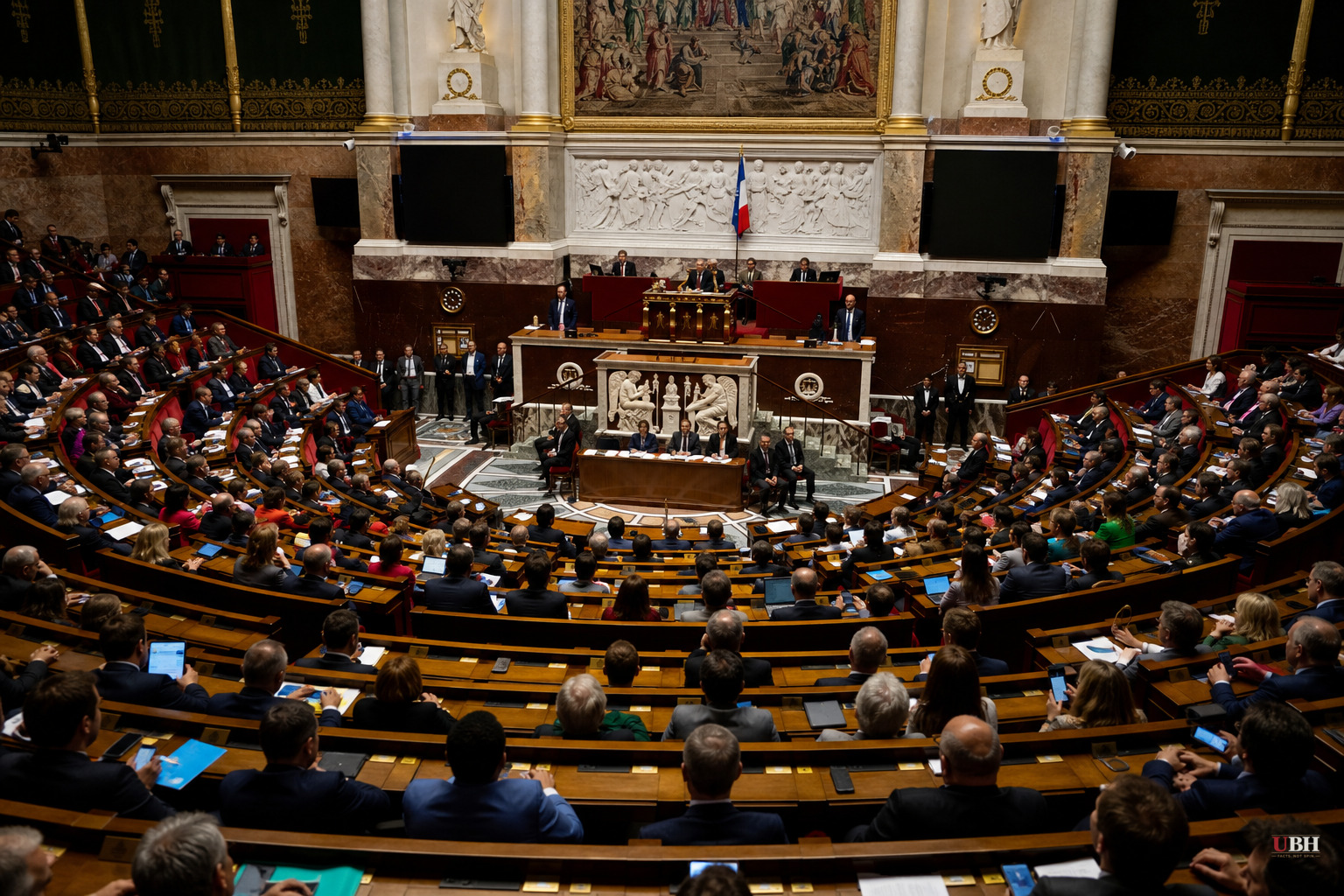
France just did what American parents have been begging Congress to do for a decade. Lawmakers in Paris passed a bill Tuesday banning children under 15 from using social media, making France the first country in the European Union to approve a blanket ban of its kind, according to the Associated Press.
The Senate approved it Tuesday morning. The National Assembly followed with a 279-81 vote, according to the Guardian. This isn't a symbolic gesture. It's a law with teeth, and it's happening in one of Europe's biggest countries.
What the Law Actually Does
Starting September 1, platforms will have to block new accounts for anyone under 15. Existing underage accounts get phased out by January 2027, per the Guardian's reporting on the bill's text. The law also bans phones in high schools.
Digital minister Anne Le Hénanff told reporters the September timeline is doable because "age-verification tools already exist," and said the burden falls on the platforms, not parents or kids. "For four months, all of us in France will have to prove our age," she said. "If someone is under 15, the account will be closed."
Exceptions exist for online encyclopedias and educational or scientific sites. Notably, the bill doesn't punish kids or parents who break it. The hammer falls on the platforms.
Why Macron Is Pushing This
This is Emmanuel Macron's baby, and he's not being shy about it. "France is leading the way in Europe when it comes to protecting our children and teenagers," Macron posted on X after the vote, calling it "a major step forward."
The case for it isn't abstract. Gaëlle Berbonde, a 52-year-old mother near Paris, told the AP her daughter got a smartphone in seventh grade. Parental controls didn't catch what mattered. "I had no idea what TikTok really was," Berbonde said. Her daughter started cutting herself, developed anorexia and depression, and spent a year and a half in the hospital. She's 16 now and doing better.
"We've been campaigning for this bill from the start because, frankly, we have no other option, no other way to counter tech giants," Berbonde said. "The only thing we can do is protect our children, just as we protect our children from drinking alcohol."
Several French families have sued TikTok directly, alleging the platform's content contributed to their kids' suicides.
The numbers back up the concern. France's public health watchdog reported in December that 90% of kids 12 to 17 use smartphones daily to get online, and 58% of them use those devices for social media specifically. Half of teenagers spend two to five hours a day on a phone. The watchdog's report ties heavy social media use to lower self-esteem and more exposure to content pushing self-harm, drugs, and suicide.
The Honest Pushback
Nobody knows how this actually gets enforced.
Lawmakers from France Unbowed, a left-wing party, voted against the bill. Their objections aren't crazy. They argue the constitutionality is shaky, that requiring age verification effectively kills online anonymity for everyone, and that the whole thing may be impossible to enforce in practice. A 14-year-old with a fake birthdate and a VPN is not a hard workaround to imagine.
Ines Legendre, a legal advisor for the child-protection group e-Enfance, made a similar point without the political edge. "We'll also have to address the issue of existing accounts for those under 15," she said. "How do we identify them? How do we suspend them? And then there's the question of age verification for all new accounts that will come into effect."
Age verification technology exists, per minister Le Hénanff, but existing tech and a functioning nationwide enforcement system for tens of millions of accounts are two different things.
The Senate had actually proposed a softer, two-tier system: blacklist the worst platforms outright, but let parents consent to others. The National Assembly's blanket ban won out instead, according to the Guardian, over objections about verification, timeline, and privacy.
What Happens Next
The bill now heads to France's Constitutional Council for a compliance review, which the AP reports is likely and could delay the September start date. If Macron's September target holds, French platforms will need working age-verification within roughly six weeks of the law's final approval.
No penalties exist for children or parents who skirt the ban, only for platforms. Whether TikTok, Snapchat, and Instagram actually build systems that keep 13-year-olds out, rather than systems that look good on paper, is the open question the next school year in France will answer.
Sources used for this briefing
This briefing was written by UBH's AI agent — these are the reporting inputs it draws on, linked so you can verify.


