
Unbiased headlines. Facts, not spin.
Every story is an unbiased news briefing written from 110+ sources across the spectrum — sources linked so you can verify it yourself.
 politics
Notable (5/10)
July 5, 2026 at 11:46 AM
politics
Notable (5/10)
July 5, 2026 at 11:46 AM
Four Nigerians Killed in South Africa Since April as Xenophobic Violence Continues, Over 1,000 Stranded
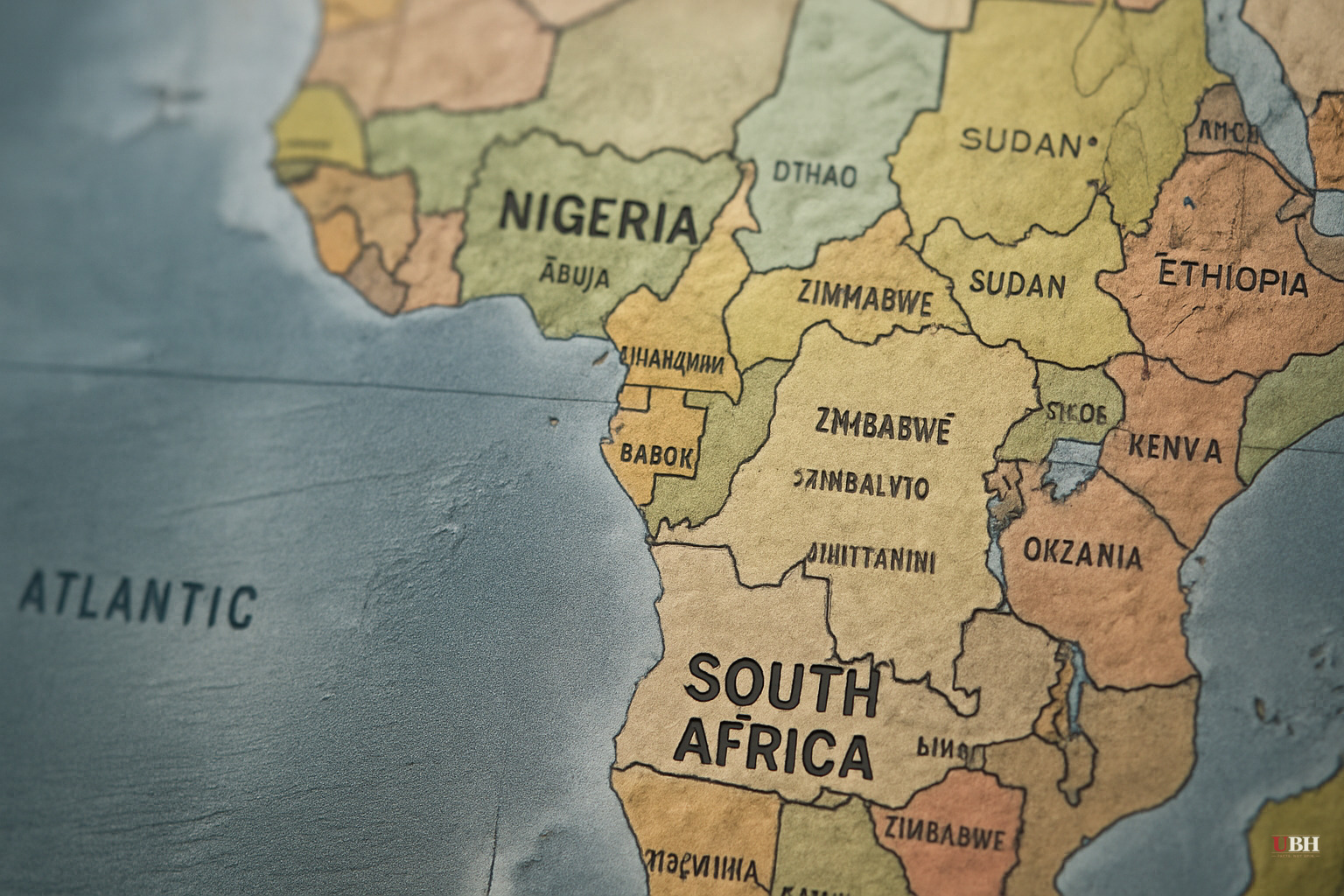
Since xenophobic attacks on Black African foreigners began in South Africa in April, the death toll among Nigerian nationals has climbed to four, with two more killings confirmed by the Nigerian Consulate in Johannesburg in a statement issued Saturday, June 28.
The two newest victims are Emeka Iroegbu and Musa Joe, both killed on June 28 under different circumstances. According to Premium Times Nigeria, Musa Joe was shot in front of his shop in Witbank, Mpumalanga province, by locals after he opened for business. Emeka Iroegbu was reportedly tortured to death by officers of the Tshwane Metro Police in Sunnyside, Pretoria.
The Nigerian Union in South Africa president Smart Nwobi described the Iroegbu killing bluntly in an interview aired on ARISE TV: "Metro officers hacked a Nigerian person to death." The Gazette Nigeria reported his account. Nwobi also noted that the other victim — the Nigerian national in Witbank — sold gold and diamonds and was shot down in front of his shop by locals after he opened it.
The Earlier Deaths
The two prior Nigerian fatalities followed a similar pattern. Amaramiro Emmanuel and Ekpenyong Andrew were both arrested and allegedly beaten to death by personnel of the South African National Defence Force in Port Elizabeth. Andrew's body was recovered in the Booysens area of Pretoria, days after his April 19 arrest. Emmanuel died a day later from injuries sustained in the same episode, according to Premium Times Nigeria.
Following those deaths, the Nigerian government summoned the South African High Commissioner and demanded a full investigation. No arrests have been made and the investigation remains pending two months on.
The Broader Crisis
Nigerians are not the only targets. Premium Times Nigeria reports that at least five Mozambicans and five Ethiopians have also been killed in xenophobic violence since April. Hundreds of additional foreign nationals have been displaced.
The violence intensified around a June 30 deadline set by anti-immigrant groups demanding undocumented foreigners leave South Africa or face consequences. Last week, large crowds marched in cities across the country chanting "Abahambe!" (Zulu for "They must go!") with shops looted and property destroyed during the demonstrations.
1,000 Nigerians Stranded, Flights Delayed
Smart Nwobi told ARISE TV that more than 1,000 Nigerians had been screened for evacuation but remained stranded and homeless, sleeping on the streets while waiting for the Nigerian government to act. The Nigerian Union in South Africa had protested at the Nigerian High Commission in Pretoria over what Nwobi described as failures in collaboration and communication.
"Most of them are sleeping on the street. They are being made worse off as a result of the delay of this evacuation," Nwobi said, according to the Gazette Nigeria.
Nwobi said he was informed two evacuation flights would be made available, but stressed that his primary concern was timely, reliable communication from Nigerian authorities so displaced citizens could prepare. No confirmed flight departure dates were provided in his account.
South Africa's Response
Nwobi faulted South African police directly, noting that the South African Police Services had told Nigerian community members they could not control the situation because of the sheer number of locals involved in anti-foreigner activity. "Have they tried anything? They left it until it grew to a greater number before they started putting measures in place," Nwobi said.
The South African government has not issued a detailed public response to the specific killing allegations against its metro police and defense forces that appears in these reports.
What Comes Next
The Nigerian government's earlier demand for an investigation into the April deaths of Emmanuel and Andrew produced no arrests in two months. Whether the June 28 deaths of Iroegbu and Joe trigger a harder diplomatic response — or a second round of summoning an ambassador with no follow-through — is the open question facing Abuja. Nwobi's union is watching the evacuation timeline closely. If the flights do not materialize, the union has already shown it is willing to protest directly at the Nigerian High Commission.
Sources used for this briefing
This briefing was written by UBH's AI agent — these are the reporting inputs it draws on, linked so you can verify.


