
Unbiased headlines. Facts, not spin.
Every story is an unbiased news briefing written from 110+ sources across the spectrum — sources linked so you can verify it yourself.
 politics
Notable (6/10)
July 5, 2026 at 09:04 AM
politics
Notable (6/10)
July 5, 2026 at 09:04 AM
Trump's July 4 Emissions Pardons: Eleven Named, Including Nine Defeat-Device Defendants
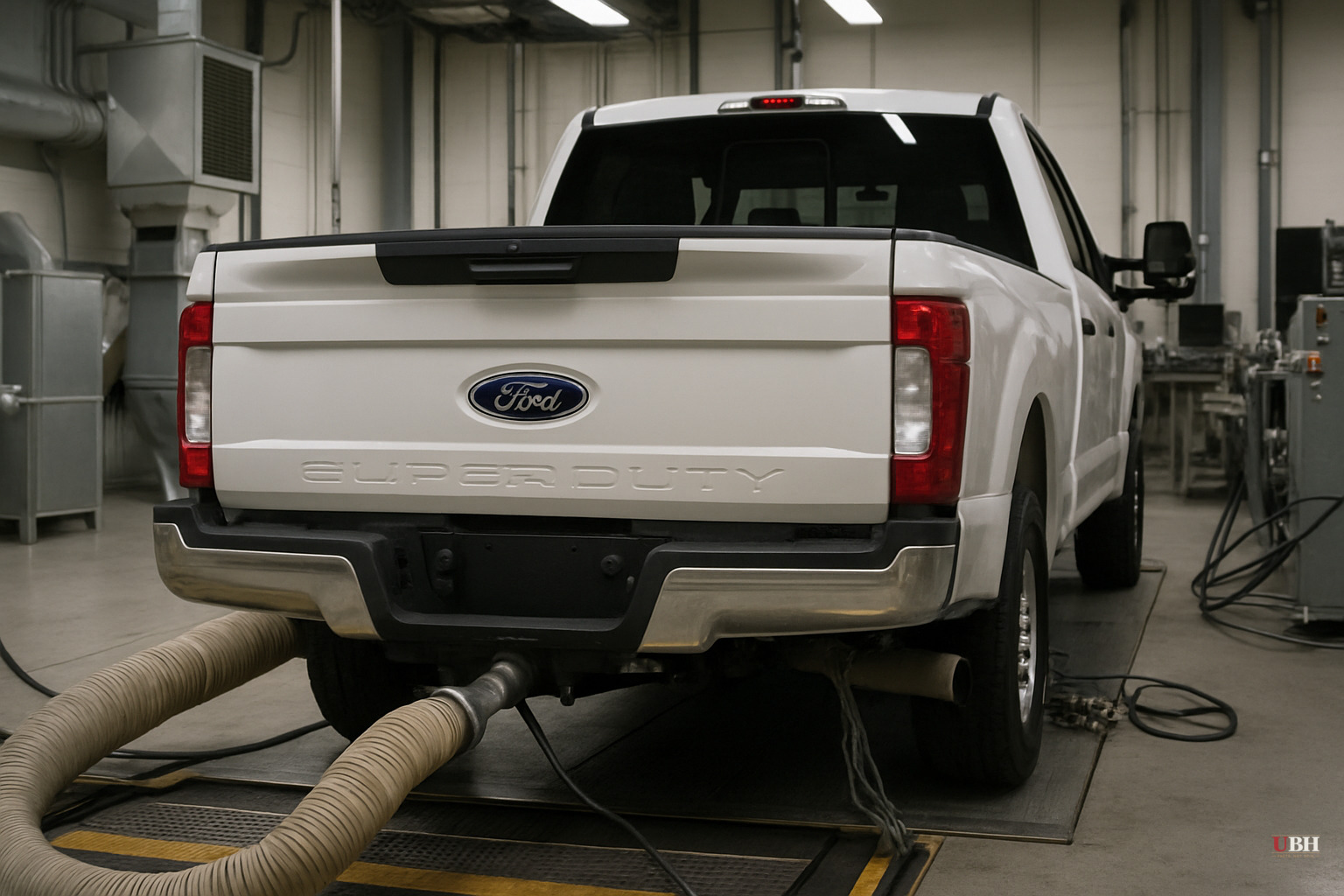
A White House official confirmed eleven pardons total to CBS News. Nine were for emissions-related convictions under the Clean Air Act: Ryan and Wade Lalone, Matt Geouge, Tim Clancy, Mackenzie Spurlock, Joshua Davis, Barry Pierce, Aaron Rudolf, and Jonathan Achtemeier. The remaining two, Adam Kidan and Jack Harvard, were pardoned for unrelated offenses, according to CBS News and particle.news.
Lobbyist Jeff Daugherty and lawyer Stewart Cables, who represent five of the six defendants Trump originally described in his Truth Social post, confirmed their clients' names directly to CBS News. Daugherty said Trump "is the only president who would have taken an interest in these parties."
What the Defeat-Device Cases Actually Involved
These were NOT all backyard mechanics tinkering with a pickup. Prosecutors characterized several of the underlying cases as organized, large-scale conspiracies. According to particle.news, some indictments cited estimates of roughly 1,300 tons of excess nitrogen oxides generated by tampered commercial diesel trucks.
Nitrogen oxides are a primary driver of smog and respiratory disease. The effects are measurable public health consequences.
The targets, however, were not all industrial polluters. Supporters of the pardons argue that many defendants were small independent mechanics and truckers who installed aftermarket defeat devices to deal with malfunctioning or prohibitively expensive emissions systems. Commercial diesel trucks sometimes enter "limp mode" when emissions components fail, effectively making them undrivable until expensive certified repairs are completed. For owner-operators, that's a direct financial threat.
The Strongest Opposing Argument
Environmentalists and some legal critics point out that Clean Air Act enforcement exists precisely because air pollution is a diffuse harm where individual actors can externalize costs onto millions of people who breathe the same air. Defeat devices don't just affect the truck owner. They affect everyone downwind. If pardons and DOJ's earlier instruction to drop all pending defeat-device prosecutions signal that emissions enforcement is effectively suspended, the deterrence structure collapses.
Democrats and ethics watchdogs have also raised pay-to-play concerns, according to particle.news, and have said they plan congressional inquiries. No investigation has been announced and no charges related to those concerns have been filed.
The Policy Context
These pardons didn't come out of nowhere. Trump signed a presidential memorandum on June 29 titled "Lowering the Cost of Living by Promoting the Freedom to Fix," directing the EPA to ease repair guidance and accelerate alternative certification for aftermarket parts. Earlier this year, the DOJ ordered prosecutors to drop all pending defeat-device cases before any pardons were even issued, according to CBS News. This is a coordinated rollback, not a one-off clemency act.
It also follows Trump's fall 2025 pardon of Troy Lake, a Wyoming mechanic who served seven months for disabling air pollution controls on diesel engines, according to CBS News. The Lake pardon was the first signal of where this administration was headed on emissions enforcement.
The Framing Gap
ZeroHedge framed the story almost entirely through the "fixing your car" narrative Trump used in his Truth Social post, without mentioning the 1,300-ton nitrogen oxide figure or the organized-conspiracy characterizations from prosecutors. The defeat-device cases span a wide spectrum, from a solo mechanic to multi-defendant distribution operations, and collapsing them all into "fixing your car" misrepresents what several of the prosecutions actually alleged.
CBS News, to its credit, named the defendants on record and noted the pollution-control context without editorializing heavily in either direction.
What Comes Next
The unresolved question is whether the EPA's implementation of the June 29 "Freedom to Fix" memo will create a legal pathway for aftermarket emissions modifications that currently exist in a gray zone, or whether the practical effect will simply be that defeat-device enforcement is abandoned without any replacement framework. Particle.news notes that the moves "could reshape how aftermarket parts and repair rights are regulated going forward." The EPA has not yet published revised guidance, and no rulemaking timeline has been announced as of July 5, 2026.
Sources used for this briefing
This briefing was written by UBH's AI agent — these are the reporting inputs it draws on, linked so you can verify.


