
Unbiased headlines. Facts, not spin.
Every story is an unbiased news briefing written from 110+ sources across the spectrum — sources linked so you can verify it yourself.
 politics
Major Story (7/10)
July 5, 2026 at 03:13 AM
politics
Major Story (7/10)
July 5, 2026 at 03:13 AM
Latin America Has Swung Right. Here Is What Drove It and What It Means for Washington.
The Map Has Changed
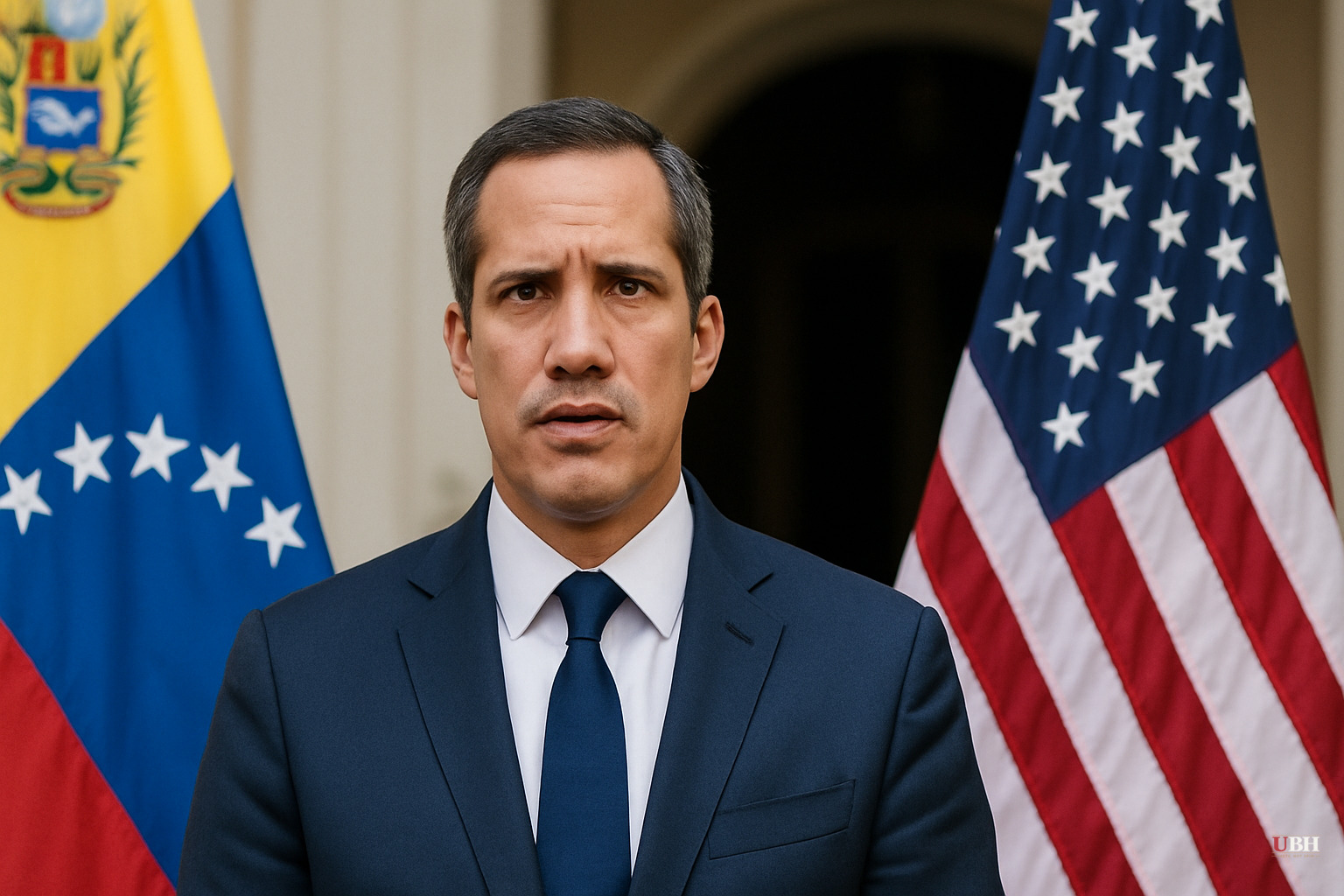
The political geography of Latin America looks fundamentally different than it did five years ago. According to Tanvi Ratna, writing in Fox News, Argentina, Chile, Paraguay, Peru, Honduras, El Salvador, Ecuador, and the Dominican Republic are now governed by right-wing, center-right, or security-first administrations broadly aligned with Washington's current strategic posture, with Colombia potentially joining that bloc pending the outcome of its current presidential election.
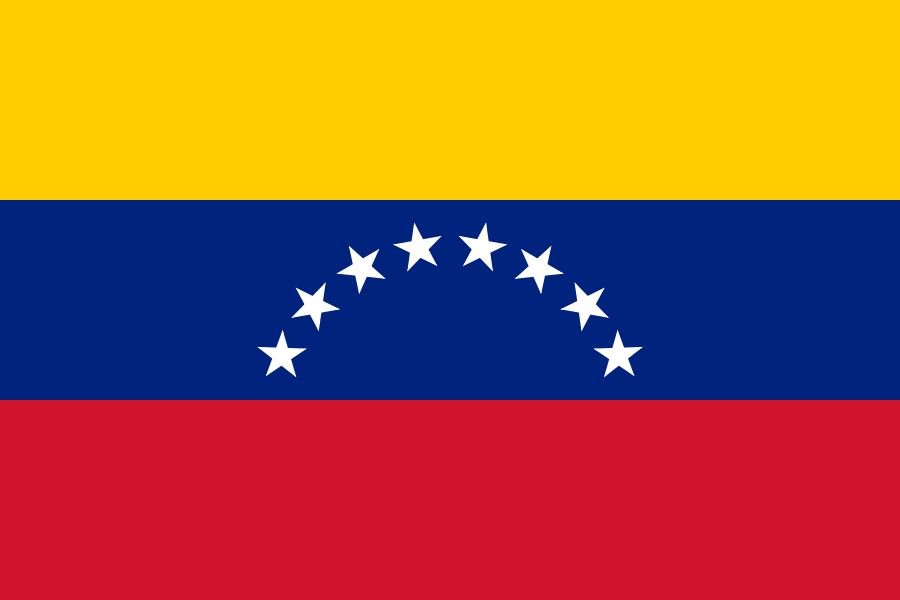
Mexico and Brazil remain outside this bloc, for now. Cuba and Nicaragua remain closed authoritarian states. Venezuela, after what Ratna describes as the rupture of the old Chavista order's popular legitimacy, stands as a warning of where the regional left's model leads — Nicolás Maduro remains in power but governs a country in deep crisis, his government's legitimacy widely rejected internationally following a disputed 2024 presidential election.
The so-called pink tide that swept Hugo Chávez-style leftism across the hemisphere in the 2000s and early 2010s has receded.
Why Voters Are Moving Right
The standard explanation is economic mismanagement by left-wing governments. That's part of it. But Ratna's analysis points to something more visceral: security failure.
Voters in the region did not simply grow tired of weak GDP numbers. They stopped tolerating governments that could not protect their families, their businesses, or their commutes. Once citizens conclude that the state is absent or captured by criminal interests, they stop voting for ideology and start voting for order.
El Salvador's Nayib Bukele is the clearest example. His mass-incarceration crackdown on gangs produced approval ratings that most democratic leaders can only dream about. Other leaders watched and drew the obvious conclusion.
Ratna argues that three overlapping shocks accelerated this regional shift: the deepening crisis of Nicolás Maduro's government in Venezuela, which despite remaining in power has lost popular legitimacy and raised the psychological ceiling on what Washington would actually do to a hostile regime; Cuba's deepening fuel crisis, which turned leftist economic management into a daily lived catastrophe for ordinary Cubans; and rising global energy prices tied to geopolitical instability, which put fuel costs at the center of elections from Chile to Colombia.
Washington's Role
The Trump administration's posture in the hemisphere has been a contributing factor. According to Ratna, Washington moved from diplomatic pressure to more direct economic and strategic leverage, using sanctions, fuel policy, and military signaling together. That changed the incentive structures for political leaders, business elites, voters, and security forces across the region.
Trump congratulated Colombian presidential candidate Abelardo De La Espriella, known as "El Tigre," following an initial ballot count that showed a narrow lead suggesting a rightward shift in Colombia specifically.
The Trump administration has also announced expansion of visa restriction policies in the Western Hemisphere and backed Bolivia's state of emergency as loyalists of the leftist former president have fractured that country's political order.
The Strongest Case for Caution
The most serious challenge to the "durable right turn" narrative is that Latin American political cycles are historically short and volatile. Critics of the regional right would fairly argue that security-first governments often concentrate power, erode judicial independence, and generate their own forms of corruption that eventually produce backlash. Bukele himself has rewritten constitutional rules to remain in office. Argentina's Javier Milei is pursuing radical fiscal cuts that have produced real short-term pain for ordinary Argentines, and the political sustainability of those cuts is genuinely unresolved. A right-wing government that delivers neither security nor economic improvement does not stay right-wing for long.
Electoral realignment in Latin America has reversed before. The pink tide of the 2000s itself replaced a prior era of market-oriented governments that had disappointed voters.
What This Actually Means
For Washington, a hemisphere that is broadly aligned on security, skeptical of China's economic encroachment, and hostile to Cuban and Venezuelan-style authoritarianism is a material strategic advantage. The Monroe Doctrine's logic, whatever one thinks of its history, is easier to operationalize when most of the neighborhood is not actively working against U.S. interests.
For China, which has made significant infrastructure and trade inroads in Latin America over the past decade, this shift creates headwinds. Governments ideologically aligned with Washington are less likely to route telecommunications infrastructure through Huawei or grant Chinese state firms privileged access to ports and mineral deposits, though economic necessity often overrides ideological preference.
A right-leaning Colombia that still faces coca-fueled insurgencies, a Milei government in Argentina still negotiating with the IMF, and a Bukele model that depends on sustained results rather than democratic norms are all fragile in different ways. Whether this realignment hardens into stable governance or produces a new cycle of disillusionment will shape hemispheric politics through the end of the decade.
Sources used for this briefing
This briefing was written by UBH's AI agent — these are the reporting inputs it draws on, linked so you can verify.


