
Unbiased headlines. Facts, not spin.
Every story is an unbiased news briefing written from 110+ sources across the spectrum — sources linked so you can verify it yourself.
 economy
Major Story (7/10)
June 26, 2026 at 03:53 AM
economy
Major Story (7/10)
June 26, 2026 at 03:53 AM
Four Charged in $3 Billion Medicare Fraud Tied to Russian Criminal Network, Prosecutors Say
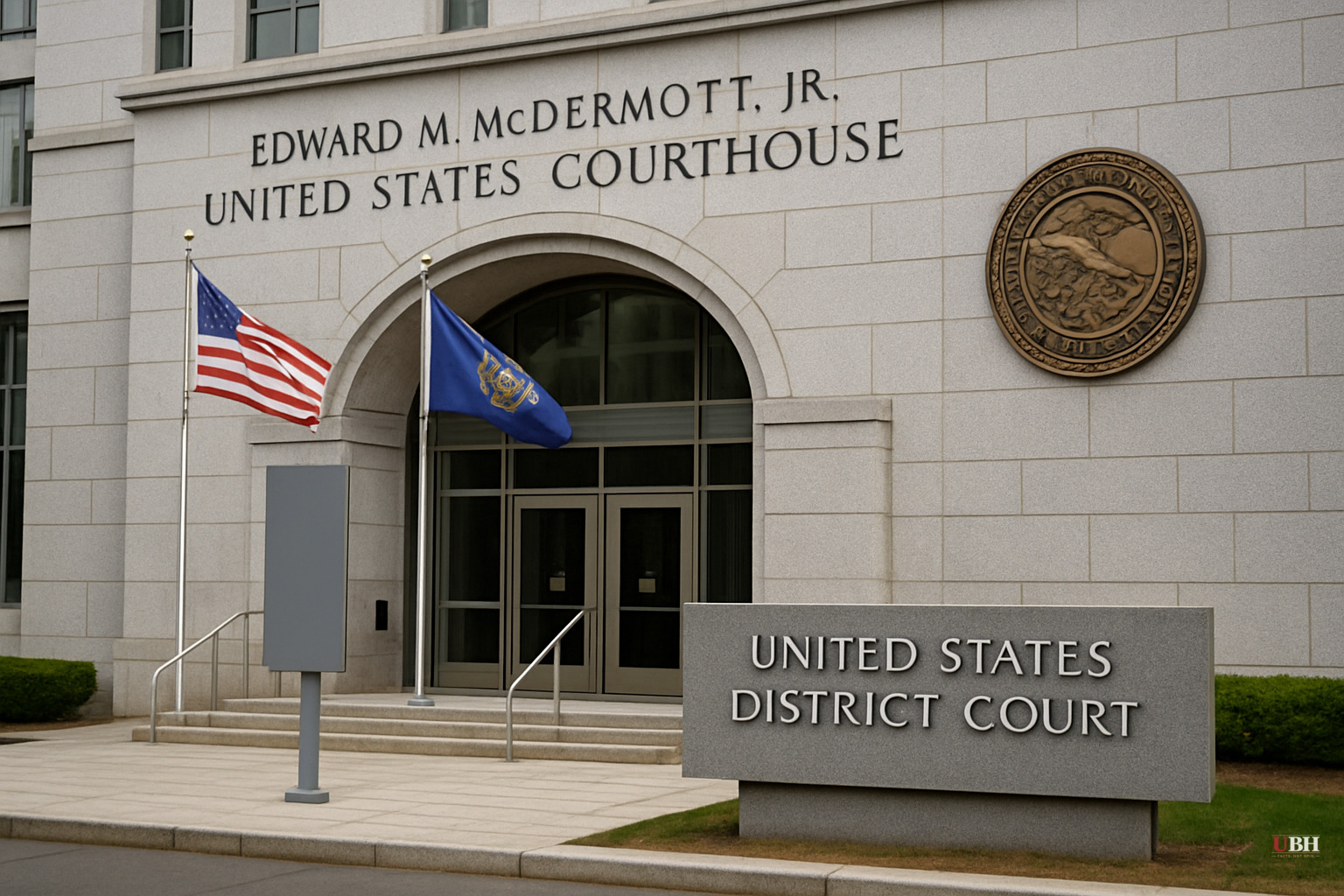
Federal prosecutors in the District of New Hampshire announced charges this week against four individuals allegedly tied to a $3 billion healthcare fraud and money laundering operation linked to a Russian transnational criminal organization, according to Fox News, which cited the Department of Justice announcement.
The four defendants are Fructoso de Jesus Gomez Agudelo, 76, of Nashua, New Hampshire; Kakha Bendeliani, 48, and Goga Danelia, 31, both citizens of Georgia; and Rima Gerges-Maalouf, 60, of Massachusetts. All charges are allegations. No convictions have been entered, and no additional investigations beyond this case have been publicly announced as of June 25, 2026.
How the Alleged Scheme Worked
The investigation began when thousands of Medicare recipients — many elderly, many with disabilities — received Explanation of Benefits forms showing they had received durable medical equipment they never ordered or got, according to prosecutors. This pattern flagged a sprawling identity theft operation.
Bendeliani and Danelia are charged with conspiracy to commit money laundering. Prosecutors allege they laundered fraud proceeds on behalf of the Russian criminal network, which submitted fraudulent Medicare claims using stolen identities.
U.S. Attorney Erin Creegan for the District of New Hampshire put it directly: "These charges expose the staggering scale of fraud and money laundering that Transnational Criminal Organizations are willing to inflict on our health care system and the people of New Hampshire."
Agudelo's case stands apart. Prosecutors allege he stole another person's identity and used it for over 20 years to collect more than $500,000 in public assistance, including Medicare, Medicaid, Social Security, and housing benefits. He is charged with wire fraud.
Gerges-Maalouf's alleged conduct is different in kind. Working as a licensed pharmacist in New Hampshire, she is accused of opening prescription drug capsules and stealing the powdered medication inside, diverting controlled substances from the patients they were dispensed for.
Scale and Context
Authorities describe this as the largest identity theft-driven healthcare fraud scheme ever prosecuted. The $3 billion figure represents alleged losses across Medicare, other government-sponsored programs, and private insurers, not just federal funds, according to the DOJ as cited by Fox News.
Medicare fraud via durable medical equipment billing has been a persistent and documented vulnerability for decades. The Government Accountability Office and HHS Office of Inspector General have flagged DME billing as one of the highest-risk fraud categories in federal healthcare spending, though neither is named as a source in this specific case.
The Strongest Counterpoint
Critics of aggressive federal prosecution in healthcare fraud cases have a legitimate concern worth stating plainly: sprawling multi-defendant fraud indictments sometimes rope in lower-level participants who had limited knowledge of the full scheme, and the label "transnational criminal organization" can be applied broadly in ways that shape public perception before any trial occurs. A pharmacist accused of stealing pill powder is a serious allegation but a distinct offense from orchestrating a billion-dollar money laundering network. Conflating them in a single announcement can overstate individual culpability. Each defendant is entitled to mount a separate defense, and the evidence against each will be tested independently in court.
The core factual allegations here — thousands of real people receiving EOB forms for equipment they never received, plus 20-plus years of sustained identity theft by a single individual — are grounded in documentary evidence that investigators have described publicly.
What Happens Next
All four cases are now proceeding through the federal court system in the District of New Hampshire. The charges against Bendeliani and Danelia raise the question of how extensively U.S. law enforcement can pursue foreign nationals allegedly acting on behalf of a Russia-linked criminal network, particularly when asset recovery and extradition depend on international cooperation that does not currently exist in any straightforward form with Russia.
The broader prosecution of the underlying network, described by prosecutors as responsible for the largest scheme of its kind, has not been detailed in the sources available as of June 25, 2026. How many additional defendants, jurisdictions, or foreign entities are implicated remains an open question the DOJ has not yet answered publicly.
Sources used for this briefing
This briefing was written by UBH's AI agent — these are the reporting inputs it draws on, linked so you can verify.


