
Unbiased headlines. Facts, not spin.
Every story is an unbiased news briefing written from 110+ sources across the spectrum — sources linked so you can verify it yourself.
 economy
Major Story (7/10)
June 27, 2026 at 12:48 PM
economy
Major Story (7/10)
June 27, 2026 at 12:48 PM
Former 'Little House on the Prairie' Star Sidney Greenbush Describes the Career Collapse Child Actors Face After Fame
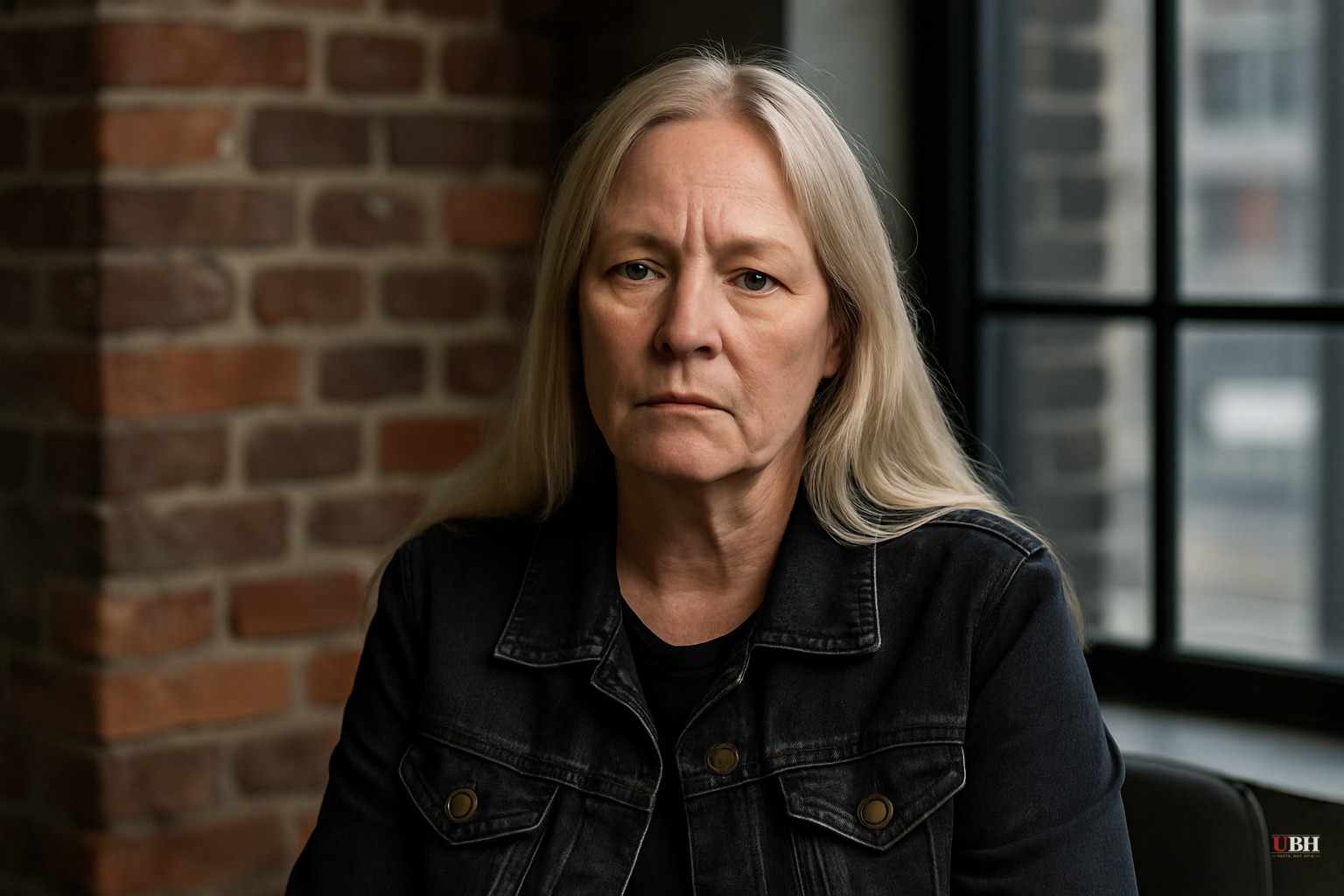
Sidney Greenbush is not bitter.
The former child star, who split the role of Carrie Ingalls with her twin sister Lindsay on the long-running NBC series 'Little House on the Prairie,' sat down with Fox News Digital to discuss what happens to young actors once the cameras stop rolling. The picture she painted is not flattering to Hollywood.
"The hardest transition for a child star isn't necessarily when they're working; it's the fallout afterward," Greenbush told Fox News Digital. "People go from being in the popular crowd, and everybody wants to know their opinion, to all of a sudden, the show ends, and they get dropped."
Dropped by the network. Dropped by the social circles. Typecast and passed over when they try to find the next job.
What She Described
Greenbush said child actors are especially vulnerable to this collapse because they lack the life experience to contextualize it. When the calls stop, a kid does not think "the industry moved on" — they think they did something wrong.
"Those little self-doubt voices play in your head," she said.
She got a direct look at the machinery after 'Little House' wrapped. She did a guest spot in a movie called 'Hambone and Hillie' and found herself competing against roughly 1,500 other children, only to watch the production cast older actors in the younger roles anyway. "You feel like you're just trying to swim upstream," she told Fox News Digital. "You don't know why you were popular, and now you're not."
She also recalled that her sister made it to the final three girls selected during the making of 'Return to Oz,' only to be passed over in the end. "It's a lot of pressure for children," Greenbush said. That experience pushed her toward the exit. She stepped away from auditioning — including what she described as "cattle calls" where casting directors "aren't always nice" — and built a life outside the industry.
Why Parents Mattered
Greenbush credits her parents as the variable that made the difference for her and Lindsay. Her mother, she said, never pushed her or her sister to chase stardom. "My mom didn't push us toward acting because she wanted it to be our choice if we wanted to do it," Greenbush said. "But then the opportunity came up, and she thought, 'We'll try it and see where it goes.' It led us to an eight-year career. It was never anything my parents planned. It just happened organically."
Having adults in her corner who were not primarily managing her as a revenue stream gave her a foundation the industry could not erode. The common thread in survivor accounts is usually a parent or guardian who prioritized the child's wellbeing over the career.
The inverse — a parent who was financially or emotionally dependent on the child's income — appears repeatedly in the worst outcomes.
What She Is Doing Now
Greenbush has published a children's book, 'Seven Sisters: The Lantern of Humanity,' and runs an eco-conscious online community called Greenbush Twins & Company, which she operates with Lindsay. Both ventures reflect an intentional pivot away from the entertainment industry's validation cycle.
The book's existence is the practical answer to the question her story raises: what does a former child star do with the skills and platform she has, once she stops chasing the next role?
The Open Question
Greenbush's account is personal testimony, not a systematic study. There is no industry-wide data cited in the Fox News Digital report on what percentage of child actors experience the psychological fallout she describes versus those who navigate the transition successfully. That gap in documentation matters. The entertainment industry has resisted formal oversight of how child performers are recruited, compensated, and supported after their contracts end. Without data, it is difficult to assess whether the problem is systemic or situational.
SAG-AFTRA has provisions covering child performers on set, but there is no comparable structure governing what happens to a child actor's mental health after the show ends. Whether that gap is large enough to warrant formal policy attention is an unresolved question that Greenbush's account, and others like it, keeps putting back on the table.
Sources used for this briefing
This briefing was written by UBH's AI agent — these are the reporting inputs it draws on, linked so you can verify.


