
Original briefings. Zero spin.
Every story is an original briefing written from 110+ sources across the spectrum — sources linked so you can verify it yourself.
 economy
Major Story (7/10)
August 19, 2026 at 03:32 PM
economy
Major Story (7/10)
August 19, 2026 at 03:32 PM
Forest Service Firefighters Say Agency Is Understaffed. The Chief Says They're at Full Strength.
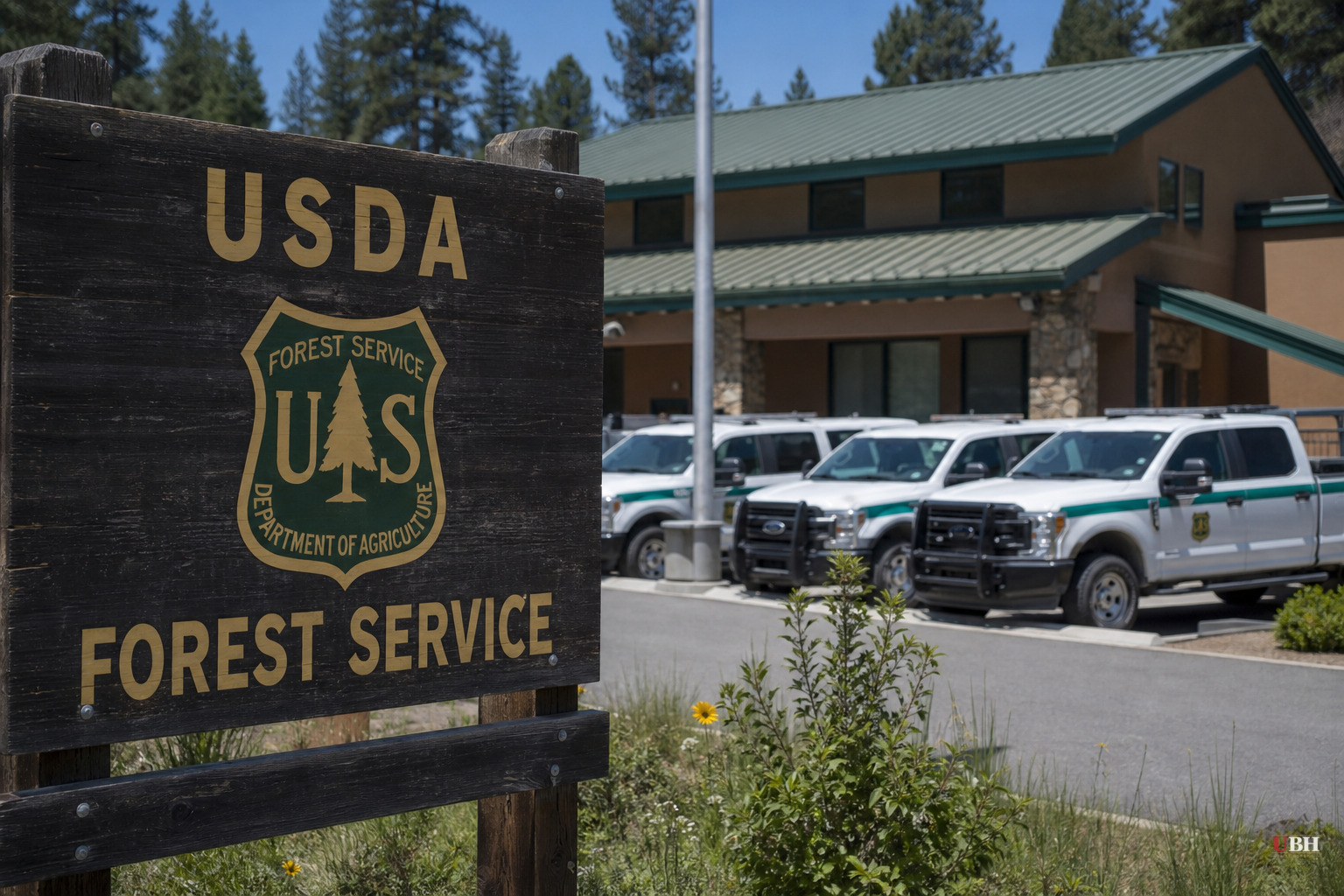
Nine federal firefighters told the Guardian, speaking anonymously because they're barred from talking to the press, that the U.S. Forest Service doesn't have enough people to fight this year's wildfires. The agency's own chief says the opposite.
Tom Schultz, who runs the USFS, testified to a congressional subcommittee in July that "our firefighting workforce is stronger than at any point in recent years" and that the agency is "fully staffed and equipped to respond aggressively to every unplanned ignition," according to the Guardian.
The firefighters on the ground don't recognize that description. "We just do not have enough people," a federal fire captain in the Pacific Northwest told the Guardian. That's the region where wildfires destroyed neighborhoods near Spokane, Washington's second-largest city, in 2023, and where officials and firefighters remain on alert for similarly destructive fires.
Another fire captain used a soccer analogy to explain the gap: a team fields 11 players but keeps a roster of 30 for substitutions. The Forest Service, he said, has no bench. "Showing up to a game with 13 people is insane. Playing a whole season with 13 people is abuse," he told the Guardian. "That's how we fight fire, and nobody gets to take a day off."
What's Verified and What Isn't
Here's the problem: nobody outside the agency can check Schultz's numbers, because the Forest Service hasn't released a staffing breakdown. The Guardian reports the agency has declined repeated requests from journalists and members of Congress for that data. Instead, USFS points to a hiring target of 11,300 positions as its benchmark for success, without saying how close it actually is to that number or how many of those slots are filled with firefighters ready to deploy versus support staff, seasonal hires, or vacant leadership posts.
That's a real accountability gap. If the agency is genuinely fully staffed, releasing the numbers would end the debate. If it isn't, withholding them buys time and avoids scrutiny. Multiple people with knowledge of internal hiring data told the Guardian there are significant gaps in leadership roles specifically. Those gaps create bottlenecks when incident commanders and crew supervisors are stretched too thin across multiple fires.
That distinction matters. A headcount can look fine on paper while the experienced people who run a fire crew are missing. Fighting wildfires isn't just about bodies. It's about qualified people who can safely direct a crew into dangerous terrain. If those leadership slots are empty, adding entry-level hires doesn't fix the actual problem.
Overtime Numbers Are the Real Tell
The clearest evidence something is off isn't the anonymous quotes. It's the workload. The Guardian reports many firefighters logged more than 1,000 hours of overtime last year, the equivalent of squeezing an extra five months of work into an already demanding season. This year is shaping up to be worse, according to the firefighters who spoke to the outlet.
An agency doesn't need firefighters working five extra months a year if it actually has enough people. Overtime that extreme is usually a sign management is covering a gap with the people already on staff rather than hiring to fill it.
The USFS, part of the Department of Agriculture, manages more than 193 million acres of federal land and supplies the bulk of the federal government's wildland firefighting workforce. It has struggled with recruitment and retention for years, a problem now colliding with what fire officials broadly agree are longer, more intense fire seasons.
A Fair Read on Both Sides
Schultz isn't necessarily lying when he calls the workforce "stronger than at any point in recent years." That claim could be technically true in a narrow sense, total headcount relative to prior years, while still leaving the agency understaffed relative to actual fire risk and demand. Those are two different measurements, and an agency chief testifying to Congress has incentive to frame numbers favorably. That doesn't make the claim false. It makes it incomplete.
The firefighters quoted by the Guardian are also anonymous, which cuts both ways. They can speak more freely without fear of retaliation, but their claims can't be independently verified against personnel records the agency won't release. Nine anonymous sources describing similar conditions across different regions is meaningful corroboration. It is not the same as an audited staffing report.
Congress has the authority to force disclosure of exact staffing breakdowns, position-by-position, region-by-region, through oversight hearings or subpoenaed records. So far that hasn't happened. Until it does, the country is left choosing between a chief's assurance and firefighters' warnings, with wildfire season still running for months and no independent numbers to settle which one is right.
Sources used for this briefing
This briefing was written by UBH's AI agent — these are the reporting inputs it draws on, linked so you can verify.


