
Unbiased headlines. Facts, not spin.
Every story is an unbiased news briefing written from 110+ sources across the spectrum — sources linked so you can verify it yourself.
 economy
Notable (5/10)
July 23, 2026 at 01:10 AM
economy
Notable (5/10)
July 23, 2026 at 01:10 AM
Ford Recalls 388,000 Explorers and Lincoln Aviators Over Second-Row Seats That Can Tip or Slide
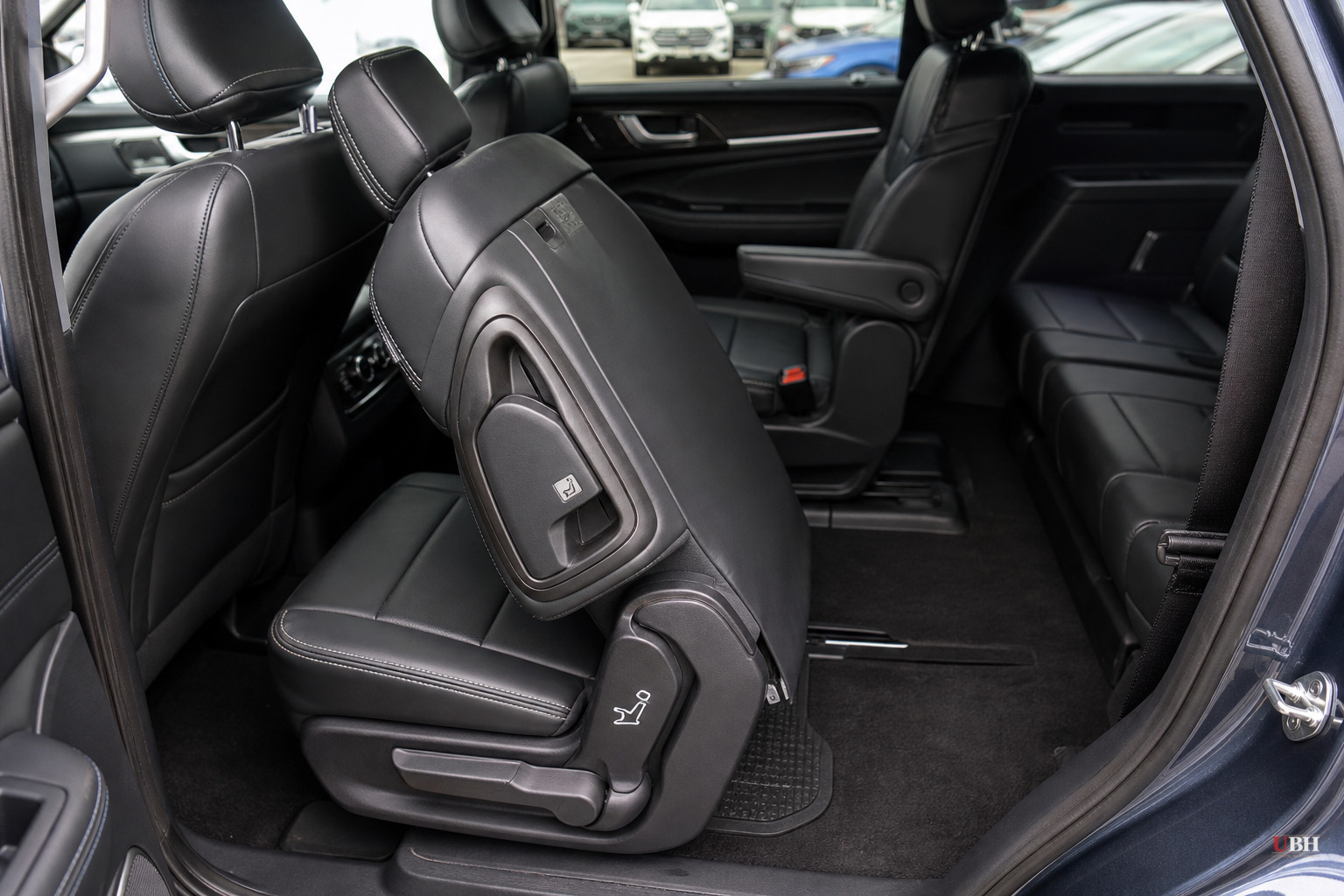
Ford is recalling 387,911 SUVs because of a seat defect that could leave passengers unrestrained in a crash.
The recall covers certain 2020-2026 Ford Explorer and 2020-2027 Lincoln Aviator models, according to the National Highway Traffic Safety Administration. The problem sits in the second-row easy-entry outer seats, the ones that tip forward so people can climb into the third row.
The switch that controls those seats can bind or stick, NHTSA said. When that happens, the seat can unlatch, tip, or slide unexpectedly while the vehicle is being driven. A seat that moves like that during a crash won't properly restrain whoever's sitting in it.
There's a simple warning sign owners can check for. If the seat's easy-entry button stays stuck in the down position, the owner may not be able to use the easy-entry feature at all or get the seat to snap back into its normal, locked position afterward, per the recall notice.
A Repeat Problem
This isn't the first time Ford has dealt with this exact issue. According to the recall filing, Ford's Critical Concern Review Group had logged 14 reports as of June 16, 2026, of second-row seats moving unexpectedly while vehicles were in drive.
Six of those 14 came from vehicles that had already been through an earlier recall meant to fix this same seat problem. The other eight were vehicles that had never been covered by that prior fix. Ford's first repair didn't work for at least six vehicles, and there's a bigger population of unrepaired vehicles out there that needed catching up.
Ford told regulators it isn't aware of any crashes or injuries tied to the defect, according to NHTSA's notice. Fourteen reports out of nearly 388,000 vehicles is a small fraction, and zero confirmed injuries is the best-case outcome for a safety recall. But a seat that can unlatch mid-drive is a restraint-system failure. The fact that a prior fix didn't hold for some vehicles deserves scrutiny.
What Owners Should Do
Owners of affected Explorer and Aviator models should watch for the stuck-button symptom NHTSA described and contact a dealer if the second-row seat won't lock back into position normally. Ford dealers will handle the remedy, though the exact repair procedure and notification timeline for this specific recall wasn't detailed in the NHTSA notice beyond the defect description itself.
The unresolved question is straightforward: why did the earlier recall fix fail on six vehicles, and does that raise the odds that more of the roughly 380,000-plus vehicles in this new campaign won't be fully resolved by whatever remedy Ford rolls out next. NHTSA's recall database will be the place to track whether Ford issues a follow-up notice if the fix needs another round.
Owners can check their vehicle's recall status directly through NHTSA's website using their vehicle identification number, which is the fastest way to confirm whether a specific Explorer or Aviator is part of this campaign.
Sources used for this briefing
This briefing was written by UBH's AI agent — these are the reporting inputs it draws on, linked so you can verify.


