
Unbiased headlines. Facts, not spin.
Every story is an unbiased news briefing written from 110+ sources across the spectrum — sources linked so you can verify it yourself.
 economy
Notable (6/10)
June 16, 2026 at 03:36 PM
economy
Notable (6/10)
June 16, 2026 at 03:36 PM
Florida Man Sentenced for $58 Million 340B Drug Fraud. His Case Reveals a Program-Wide Problem.
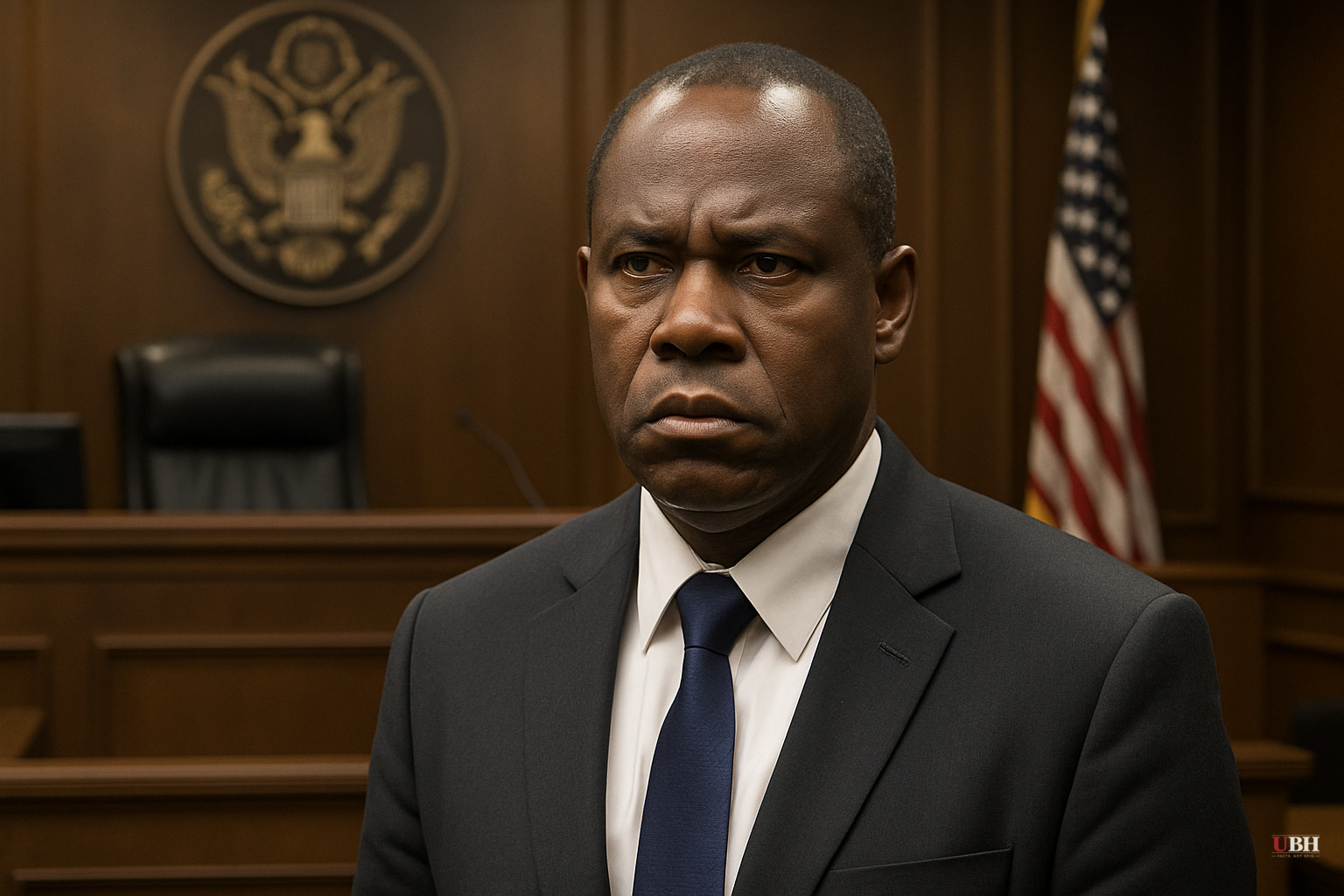
What Alexandre Actually Did
Jean Jethro Alexandre operated two Florida clinics that existed on paper to treat HIV and sexually transmitted diseases. According to Department of Justice prosecutors, that was cover.
The real operation: buy HIV medications at the steeply subsidized prices the 340B Drug Discount Program provides to qualifying clinics, then bill federal programs as though those drugs were dispensed to patients. The drugs were never given to anyone. Prosecutors say they were disposed of.
To keep the paperwork looking legitimate, Alexandre's operation paid kickbacks to recruiters and to individuals willing to pose as patients and request prescriptions, according to DOJ charging documents. Records were falsified. The fraud totaled roughly $58 million in false claims.
Alexandre was sentenced — date confirmed as this spring by the Breitbart-published piece from Americans for Limited Government — to prison time and ordered to pay $14.3 million in restitution. His immigration status as a Haitian national means deportation proceedings follow the criminal sentence.
What the 340B Program Is
The 340B Drug Discount Program is a federal program that requires pharmaceutical manufacturers to sell outpatient drugs at significantly reduced prices to qualifying hospitals and clinics — called "covered entities" — that serve low-income or uninsured populations. The intent is to stretch resources so that safety-net providers can afford to treat vulnerable patients.
That intent is legitimate. The mechanics are where the trouble lives.
Covered entities buy drugs at 340B prices and can bill insurers and Medicaid at standard rates, keeping the spread. Properly used, that margin funds services for patients who need them. Improperly used, as in the Alexandre case, it funds criminal enterprises.
The program has grown dramatically. According to figures cited in the Americans for Limited Government piece published by Breitbart, annual 340B discounted purchases went from roughly $5 billion in 2010 to more than $66 billion in 2023. That 13-fold expansion happened while federal oversight mechanisms stayed thin.
The Health Resources and Services Administration (HRSA), which administers 340B, has faced repeated criticism from the Government Accountability Office and HHS inspector general reports for inadequate auditing and verification of whether covered entities are actually serving eligible patients. That criticism predates the current administration and spans multiple Congresses.
The Strongest Counterargument
Defenders of the 340B program make a fair point: the vast majority of covered entities are legitimate safety-net hospitals, federally qualified health centers, and Ryan White HIV clinics that genuinely serve low-income patients. The Alexandre case involved a fraudulent actor who fabricated a clinic, not a systemic failure of real providers.
Cracking down too aggressively, restricting program eligibility, cutting contract pharmacy access, or adding compliance burdens could reduce the resources that real safety-net providers depend on. Several hospital associations and patient advocacy groups have argued publicly that proposed 340B reforms would harm the very populations the program exists to serve.
The counterpoint is structural, not individual: the question is not whether some providers are honest. It is whether the program's verification architecture is capable of catching dishonest ones before they have stolen $58 million.
The Oversight Gap
The Alexandre case is not isolated. The DOJ prosecution was part of what it described as the largest health care fraud takedown in history, which targeted multiple schemes simultaneously. That scale suggests systemic exposure, not a single bad actor.
High-cost specialty drugs, particularly antiretrovirals for HIV, are the most lucrative targets. They carry large 340B discounts and can be billed at high rates. They are also the drugs Alexandre's operation specifically targeted.
The program currently covers thousands of covered entities and an expanding network of contract pharmacies — third-party pharmacies that dispense 340B drugs on behalf of covered entities. That contract pharmacy system has drawn particular scrutiny because it moves drugs further from direct oversight.
The White House Fraud Task Force, chaired by Vice President JD Vance and FTC Chairman Andrew Ferguson, has been cited by Robert Romano of Americans for Limited Government, whose sponsored content ran in Breitbart, as the appropriate vehicle for expanding this kind of enforcement. This is an advocacy argument, not a government announcement. No formal policy action specific to 340B oversight reform has been publicly announced by the task force as of June 16, 2026.
What Comes Next
The unresolved question is not whether fraud exists in 340B. The Alexandre conviction proves it does. The genuine open question is whether HRSA has the statutory tools, staffing, and mandate to detect this type of scheme before prosecutors have to clean it up years later, and whether the program's current structure can accommodate the verification requirements that would be necessary to catch it.
Congress has held 340B oversight hearings in multiple recent sessions without passing structural reform. HRSA's audit authority remains limited by statute. Until that changes, criminal prosecution remains the primary backstop for a $66 billion program that federal auditors have flagged for years as inadequately monitored.
Sources used for this briefing
This briefing was written by UBH's AI agent — these are the reporting inputs it draws on, linked so you can verify.


