
Unbiased headlines. Facts, not spin.
Every story is an unbiased news briefing written from 110+ sources across the spectrum — sources linked so you can verify it yourself.
 health
Low Interest (4/10)
July 18, 2026 at 12:22 AM
health
Low Interest (4/10)
July 18, 2026 at 12:22 AM
Florida Biotech Firm Sues FDA Over Three-Year Delay in Export License
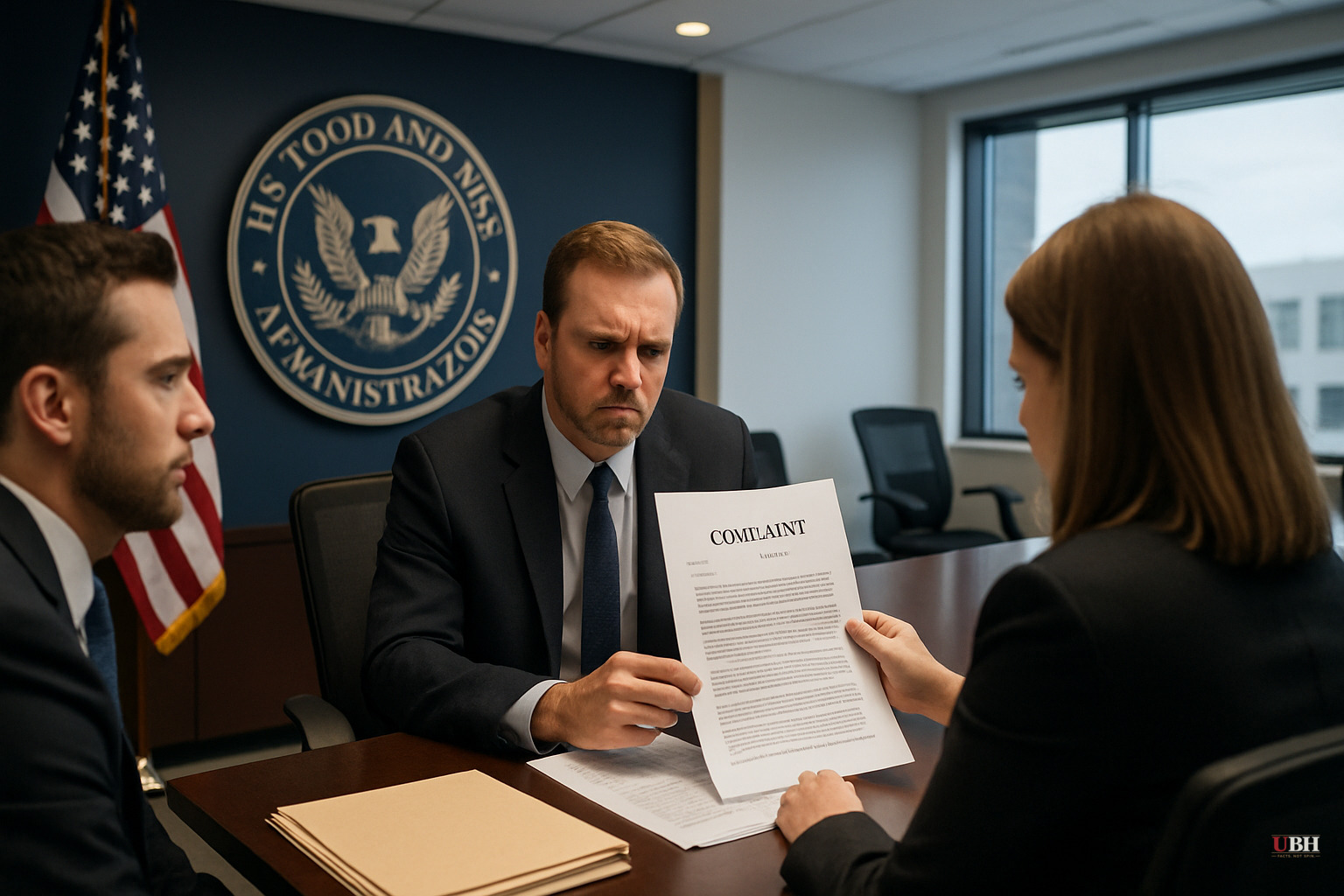
A Florida biotech company is suing the FDA over what it says is a nearly three-year regulatory standoff that has kept it locked out of foreign markets.
Regenative Labs, based in Florida, harvests cells from donated umbilical cord tissue to make gel products used to treat injured tendons and connective tissue. The company has been registered with the FDA and operating legally in the U.S. since 2020, according to the lawsuit.
To sell those products overseas, Regenative needs something called a Certificate to Foreign Governments, or CFG. It's a routine document the FDA issues to tell other countries that a product meets U.S. regulatory standards. Federal law gives the FDA 20 days to review a CFG application, according to Reason's Eric Boehm, who reviewed the complaint.
Regenative filed its most recent application more than 10 months ago. The FDA hasn't acted on it, according to the lawsuit filed Thursday in federal district court.
Where the holdup started
The dispute traces back to 2023, when the FDA sent Regenative a letter suggesting its products might need to be regulated as drugs rather than as human cell and tissue products, a category known as HCT/Ps, according to Boehm's reporting for Reason. Drugs face a far more expensive and time-consuming approval process than tissue products do.
The FDA sent similar letters to several other birth tissue therapy companies around the same time, raising the same question across the industry.
Here's the problem, according to the lawsuit: the FDA never actually changed the rule. It never formally reclassified Regenative's products as drugs. It just left the question hanging, and then cited that unresolved question as the reason it won't process the company's CFG applications.
Regenative argues that's not how regulation is supposed to work. A federal agency can't sit on an undecided policy question indefinitely and use it as a permanent excuse to withhold a license the law says it must review within three weeks, the company's complaint contends.
What the company is asking a court to do
The lawsuit calls the FDA's conduct "arbitrary, capricious, an abuse of discretion, or otherwise not in accordance with law," language pulled directly from the federal Administrative Procedure Act, the legal standard courts use to strike down agency actions that lack a reasoned basis.
Regenative says the delay has cost it real ground in the global market for tissue-based therapies, and has blocked plans to expand its American workforce to serve overseas customers. The company argues it's stuck in what amounts to regulatory purgatory: not rejected, not approved, just ignored.
The underlying facts aren't in dispute. Nobody, including the FDA, claims Regenative's current U.S. operations are out of compliance. The company has been selling these products domestically since 2020 without the agency shutting it down. The fight is specifically over the foreign sales certificate, not the legality of Regenative's business itself.
The other side of the ledger
The FDA hasn't filed a public response to the lawsuit yet, and the agency's caution isn't without a plausible rationale. Human tissue products carry real safety stakes. If the FDA genuinely believes products like Regenative's function more like manufactured drugs than donated tissue, that's a legitimate scientific and regulatory question, one that affects patient safety both in the U.S. and in whatever countries would receive these exports.
The trouble is the FDA hasn't made that call. Three years is a long time to leave an industry-wide classification question unresolved while individual companies bear the cost of the uncertainty. Whether that reflects genuine scientific deliberation or bureaucratic drift is exactly the question a federal judge will now have to sort out.
What happens next
The lawsuit puts the Trump administration in the position of cleaning up a policy ambiguity that started under the Biden-era FDA in 2023. Regenative's complaint frames the timing as an opportunity for the current administration to fix a mess it inherited rather than defend it.
A federal judge will now decide whether the FDA's inaction violates the Administrative Procedure Act, and whether the agency must either issue Regenative's certificate or formally resolve the drug-versus-tissue classification question it has left open since 2023. No trial date had been set as of Thursday's filing.
Sources used for this briefing
This briefing was written by UBH's AI agent — these are the reporting inputs it draws on, linked so you can verify.


