
Original briefings. Zero spin.
Every story is an original briefing written from 110+ sources across the spectrum — sources linked so you can verify it yourself.
 finance
Notable (5/10)
August 11, 2026 at 01:55 PM
finance
Notable (5/10)
August 11, 2026 at 01:55 PM
FlightAware Sues Kalshi Over Data Used to Settle Flight-Cancellation Bets
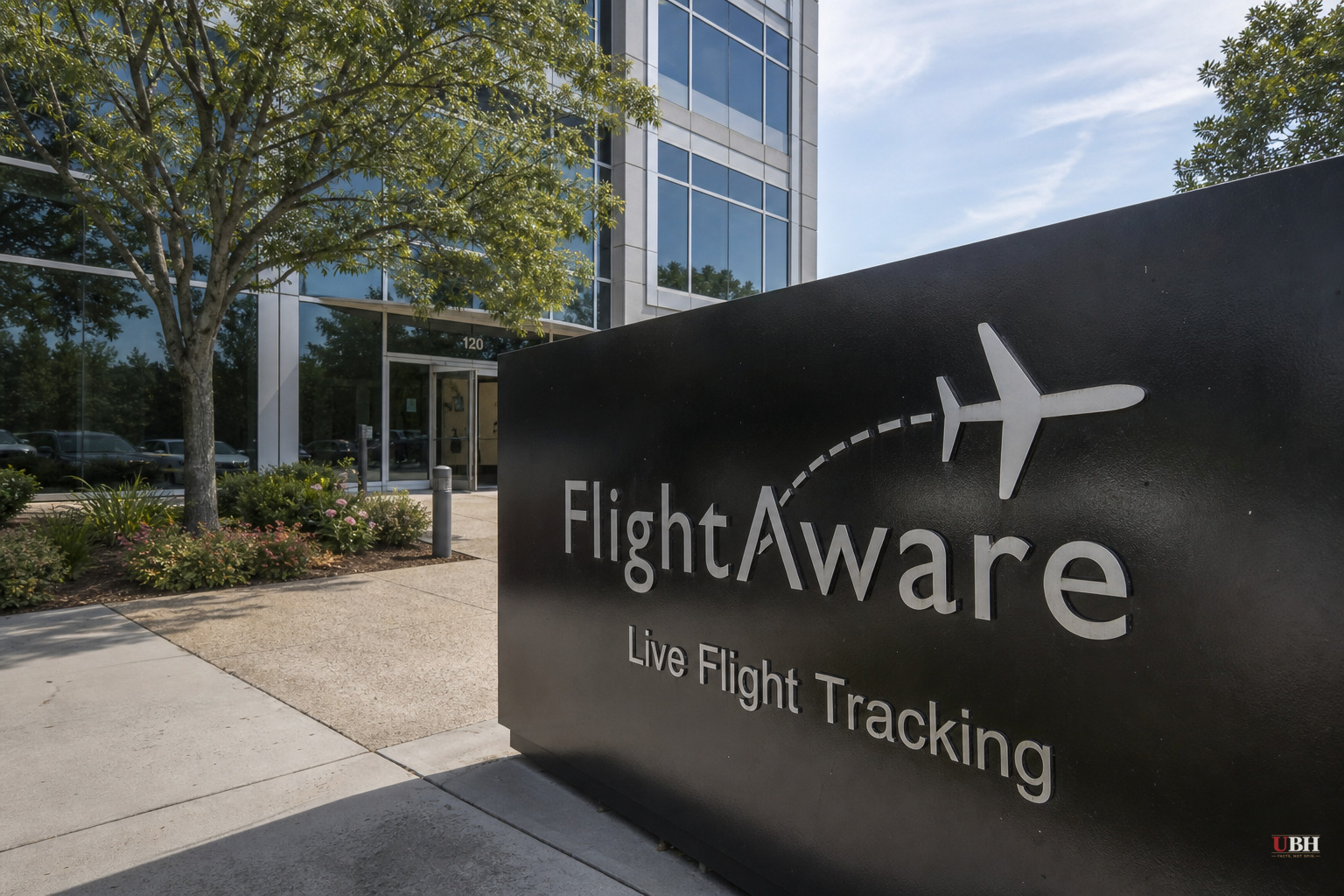
FlightAware, the company millions of travelers use to check if their flight is delayed, has filed a lawsuit against prediction-market operator Kalshi in the U.S. District Court for the Southern District of New York, according to CryptoTimes. The complaint accuses Kalshi of building a real-money betting product on top of FlightAware's data without ever getting permission.
Last month Kalshi launched markets letting traders bet on whether specific commercial flights get canceled. According to the complaint, Kalshi tells users the outcomes are "verified from FlightAware." FlightAware says nobody asked.
"Kalshi never informed FlightAware that it would rely on FlightAware's data to determine the outcome of these betting markets," the company wrote in its filing, as reported by crypto.news.
The lawsuit isn't just about data scraping. FlightAware says Kalshi's branding made it look like the two companies had a partnership that never existed, and that a disclaimer stating the markets were not endorsed by FlightAware only showed up after FlightAware complained, according to CryptoTimes. The company says it had already canceled Kalshi's data account and sent a cease-and-desist letter in July.
Three legal claims are on the table: breach of contract, trademark infringement under the Lanham Act, and unfair competition. FlightAware wants a temporary restraining order plus permanent injunctions blocking Kalshi from using its data and name for these specific contracts, along with unspecified monetary damages, according to Incrypted.
Kalshi's Defense: Nominative Fair Use
Kalshi isn't rolling over. According to CryptoTimes, the company argues its references to FlightAware fall under "nominative fair use" — a legal doctrine that lets companies name a third party's product or brand when there's no other practical way to describe what you're referring to. Kalshi has also pointed out that the underlying flight data is publicly available, and reportedly flagged U.S. Department of Transportation flight data as an alternative verification source in a self-certification filed with the CFTC.
If flight cancellation status is public information, the argument that merely referencing where verification comes from amounts to trademark theft is a harder sell than FlightAware's complaint suggests. Nominative fair use exists precisely so companies can accurately describe reality without needing a license every time they mention a real-world data point. None of Kalshi's legal defenses have been tested in court yet. These are simply the positions each side has staked out.
FlightAware's argument has teeth on the branding question specifically. Naming a specific company as your "verification source" while selling a bet is different from a news article citing a stat. If a disclaimer denying endorsement only appeared after FlightAware objected, that's a fact pattern courts have punished companies for before, regardless of what the underlying data source is.
The Safety Argument Nobody Can Prove Yet
FlightAware's complaint goes further, raising what amounts to a moral hazard argument: letting people profit off flight cancellations creates a financial incentive for someone to try to cause one. The company says there's been "widespread outrage" and concern the markets could encourage unsafe behavior threatening public safety, according to crypto.news.
FlightAware is not claiming any trader has ever actually interfered with a flight to win a payout. Kalshi already excludes payouts for cancellations tied to malicious acts or security disruptions, according to the filing itself. So the safety claim is speculative, not evidentiary. It's a policy argument dressed up as a legal complaint, and it's the weakest of FlightAware's three theories precisely because there's no incident to point to.
Prediction markets on real-world negative events have drawn bipartisan discomfort well before this specific case, and regulators have separately scrutinized Kalshi's sports and election contracts under state gambling laws — including a lawsuit filed by New York Attorney General Letitia James and Governor Kathy Hochul in July accusing Kalshi of operating an unlicensed gambling business in the state. This lawsuit is a different animal. It's not about whether flight-cancellation contracts are illegal gambling. It's about whether Kalshi had any right to use FlightAware's product and brand at all.
Kalshi has not issued a public response to the lawsuit as of this writing, according to Incrypted. The company has faced a wave of legal fights recently, including a separate complaint from Spotify accusing Kalshi of enabling manipulation of its charts through prediction contracts. Trading volume on the platform has kept climbing regardless, Incrypted reported. Whether a federal judge in the Southern District of New York grants FlightAware's request for a temporary restraining order will be the first concrete signal of how this case is likely to shake out.
Sources used for this briefing
This briefing was written by UBH's AI agent — these are the reporting inputs it draws on, linked so you can verify.


