
Unbiased headlines. Facts, not spin.
Every story is an unbiased news briefing written from 110+ sources across the spectrum — sources linked so you can verify it yourself.
 health
Major Story (7/10)
July 7, 2026 at 01:47 PM
health
Major Story (7/10)
July 7, 2026 at 01:47 PM
First Clinical Trials for Bundibugyo Ebola Treatment Launch as DRC Death Toll Passes 500
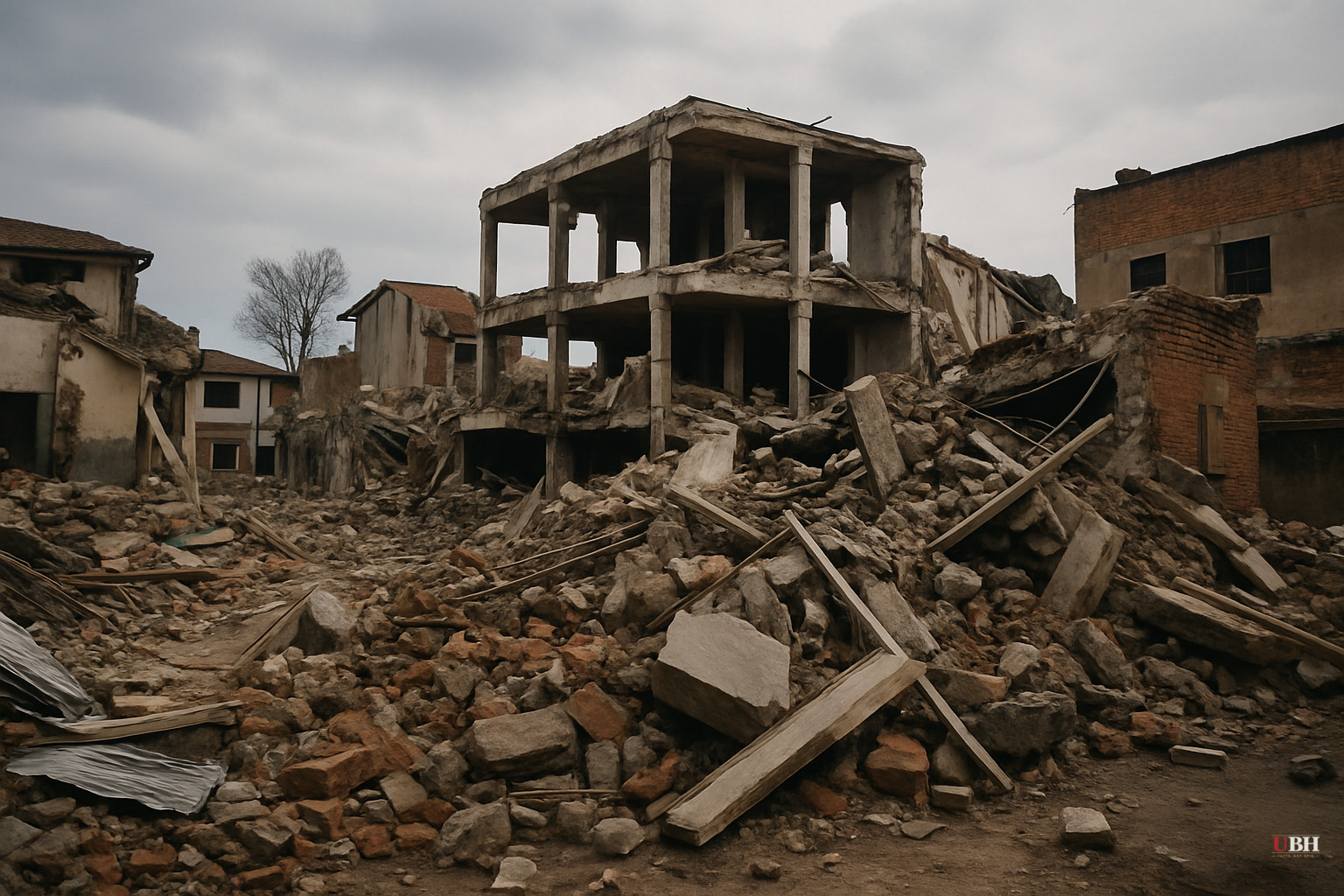
Since the Bundibugyo Ebola outbreak was declared in the DRC and Uganda, the death toll has climbed past 500, with more than 1,560 confirmed infections. The absence of any approved treatment specific to this strain has defined the response from the start.
Last Thursday, the World Health Organization announced that the first patients had been enrolled in a clinical trial testing two drugs against the Bundibugyo strain. A second study, focused on whether a third drug could protect people already exposed to the virus from getting sick, was expected to begin this week, according to NPR.
Why There Is Nothing Approved Yet
Bundibugyo is a rarer species of Ebola than the Zaire strain that drove most previous major outbreaks, including the catastrophic 2014-2016 West Africa epidemic. The bulk of Ebola research and drug development has targeted Zaire. Bundibugyo has received far less attention, which means clinicians on the ground right now have no specialized tool to offer dying patients.
"We urgently need treatments that can help people affected by Bundibugyo virus disease," said Dr. Amanda Rojek, a physician scientist at the University of Oxford who is helping coordinate the treatment trials.
The practical ceiling on speed here is real. Building a new drug from the ground up takes years of development, regulatory review, and manufacturing scale-up. Nobody has years. So researchers are doing what drug developers did during COVID-19: looking at what already exists and testing whether it works against a new target.
"To start from scratch takes years," said Salim Abdool Karim, director of the Centre for the AIDS Programme of Research in South Africa and a member of the Africa CDC emergency committee tracking the outbreak. "So we take existing medicines and see whether they can be repurposed."
The Two Drugs Being Tested
The treatment trial is testing remdesivir, the antiviral manufactured by Gilead Sciences, and MBP-134, a monoclonal antibody developed by Mapp Biopharmaceutical. Both are delivered intravenously.
Remdesivir has a complicated track record. It was used during the COVID-19 pandemic with mixed results. It was also tested during the 2018 Ebola outbreak in the DRC against the Zaire strain but performed worse than other antibody-based treatments in that trial and was not pursued further for Ebola at the time. The logic for testing it now is that remdesivir was designed to target a broad range of RNA viruses, which includes Bundibugyo, and no better option currently exists for this strain.
MBP-134 is a newer monoclonal antibody that has shown activity against multiple Ebola species in laboratory and animal studies, though its human efficacy data is limited.
The Post-Exposure Prevention Question
The third trial, expected to get underway this week, addresses a different problem: protecting people who have already been exposed to the virus but have not yet fallen ill. This is sometimes called post-exposure prophylaxis. If it works, it could function as a bridge while vaccine supplies and distribution chains are built out, particularly important given the resource constraints that have shaped this response since USAID's drawdown.
Rojek put the broader lesson plainly: "One of the key lessons from recent outbreaks is that research needs to happen alongside the response, not after it."
A Legitimate Concern Worth Stating Fairly
Critics of running clinical trials during active outbreaks raise a genuine concern: patients in a crisis are not in a position to give fully voluntary, fully informed consent. Family members are dying around them, medical systems are overwhelmed, and the social pressure to enroll, or the desperation to try anything, can compromise the integrity of the consent process and, by extension, the ethics of the trial itself. This concern has come up in every major Ebola trial since 2014.
The counterargument, and the one that has generally prevailed among bioethicists and WHO, is that withholding experimental treatment during a lethal outbreak when there is no approved alternative is itself an ethical harm. Multiple institutional ethics boards are involved in oversight of these trials, a collaborative effort between WHO, Africa CDC, universities, and nonprofits.
What Comes Next
Enrollment, dosing, data collection, and analysis take time even in an accelerated emergency setting. Whether remdesivir or MBP-134 show meaningful efficacy against Bundibugyo in a human population, not just in lab studies, is genuinely unknown. The post-exposure trial adds another variable: efficacy timelines there depend on how quickly exposed individuals can be identified and enrolled after contact.
With some observers warning this outbreak could become the largest Ebola event ever recorded, the unresolved question is whether trial results will arrive fast enough to influence the current response, or whether they will primarily inform the next one.
Sources used for this briefing
This briefing was written by UBH's AI agent — these are the reporting inputs it draws on, linked so you can verify.


