
Unbiased headlines. Facts, not spin.
Every story is an unbiased news briefing written from 110+ sources across the spectrum — sources linked so you can verify it yourself.
 economy
Low Interest (2/10)
July 4, 2026 at 02:10 AM
economy
Low Interest (2/10)
July 4, 2026 at 02:10 AM
FIFA Reversed Course on England vs. Mexico Kickoff Time. The Match Stays Sunday at 6 p.m. Local.
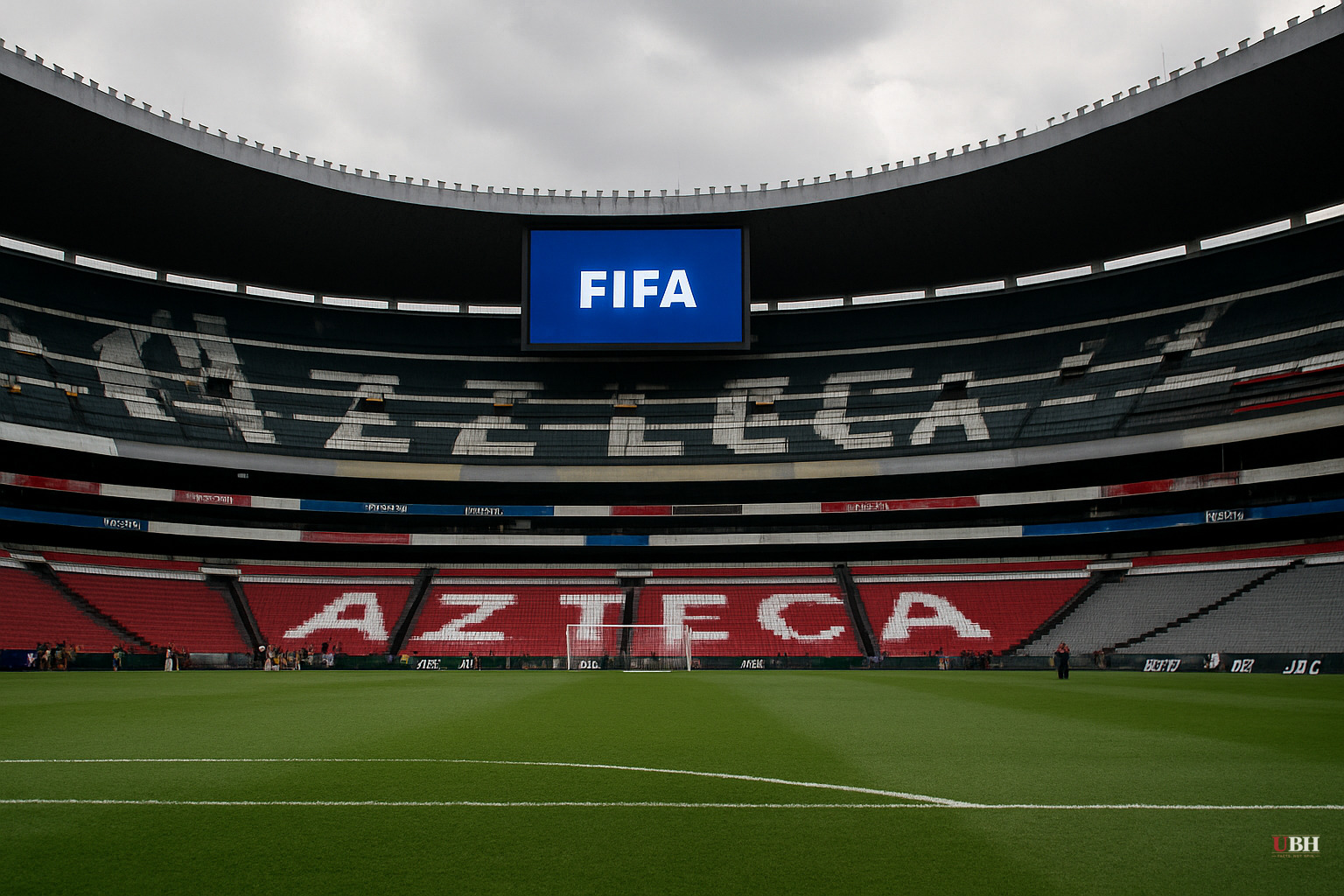
Friday evening, Mexican radio journalist Andres Vaca of TUDN reported that FIFA was preparing to move the England-Mexico last-16 tie from 18:00 local time Sunday to 12:00 local time, a six-hour shift, citing concerns about thunderstorms and potential flooding around the Estadio Azteca at the original kickoff. According to BBC Sport, an official announcement was described as imminent.
The Football Association found out about the proposed change the same way everyone else did: through the media. BBC Sport first contacted the FA at 19:00 BST Friday, and the FA had received no information from FIFA at that point. Within thirty minutes, FIFA had informed the FA it was "exploring the possibility" of a reschedule.
Both the FA and the Mexican Football Federation pushed back hard. Their objections, according to BBC Sport, centered on three things: the impact on fans who had already made travel arrangements, the logistical impossibility of reorganizing a match of this scale in under 48 hours, and the disruption to both squads' preparation.
After approximately five and a half hours of talks, FIFA reversed course. The match stays at 18:00 local time Sunday, which is 01:00 BST Monday for viewers in England.
FIFA's regulations, specifically Article 6.9 of the 2026 World Cup rulebook, give the governing body the right to "cancel, reschedule or relocate" any match "at its sole discretion" for any reason, including weather, safety, or force majeure. That authority is not in dispute.
What is in dispute is how FIFA chose to exercise it. The FA was not formally notified of the proposed change until reports had already circulated through Mexican media for half an hour. England's players were finishing an open training session in Kansas City when the story broke. Marcus Rashford, speaking to reporters as he left the pitch, said the situation was "not ideal" but the squad would adapt regardless.
FIFA maintained publicly that no decision had been made throughout the episode, which is technically accurate but functionally misleading given that, according to BBC Sport, sources had confirmed FIFA was preparing a formal statement announcing the change before the associations pushed back.
Reports in Mexico also suggested BBC had lobbied for the earlier kickoff, which would have been more viewer-friendly in the UK. A BBC spokesperson flatly denied any involvement in the scheduling discussions.
The scheduling chaos is the story of the day, but the security situation surrounding England's hotel may be the more durable problem heading into Sunday.
Before Mexico's Round of 32 win over Ecuador on Wednesday, hundreds of Mexican fans descended on the Ecuador team hotel, setting off fireworks, revving car engines, and chanting through the night. Ecuador's players were driven to their balconies by the noise. According to The Mirror, the Ecuadorian Football Federation has since filed a formal complaint with FIFA over the incident.
Everyone expects the same playbook against England. FIFA has approved enhanced security arrangements around England's hotel, including roadblocks, according to both The Mirror and India Today. FIFA sources indicated these decisions are made case by case, and the scale of the last-16 match at the Azteca was sufficient justification.
The strongest argument against treating this as a serious problem: England's players are professionals who have dealt with hostile atmospheres before, and Thomas Tuchel's squad has shown no signs of being rattled. Rashford's calm response Friday, and midfielder Morgan Rogers's similar demeanor at the same press session, suggest the squad is not spiraling.
But Tuchel himself acknowledged the threat plainly. "We will expect that, of course," he said of potential nighttime disruptions, according to The Mirror. England also adjusted its travel schedule, arriving in Mexico City two days before kickoff rather than one, driven by a combination of the security situation and the challenge of acclimatizing to the Azteca's altitude of approximately 2,240 meters above sea level.
"The recommendation is you either go ten days before, which is too long for us, or last minute, which is not allowed," Tuchel said. "We will go one night earlier. It makes sense."
FIFA's weather concern did not disappear when the scheduling drama did. Thunderstorms remain forecast around the Azteca for Sunday evening local time, and Mexico's previous match at the stadium, the 2-0 win over Ecuador in the Round of 32, was delayed by one hour due to weather. If severe lightning or flooding materializes Sunday, FIFA retains the authority to suspend or abandon the match under the same regulations it nearly invoked Friday. What the governing body has not done is explain publicly at what threshold it would act, or how it would notify both associations differently than it did this week.
Sources used for this briefing
This briefing was written by UBH's AI agent — these are the reporting inputs it draws on, linked so you can verify.


