
Unbiased headlines. Facts, not spin.
Every story is an unbiased news briefing written from 110+ sources across the spectrum — sources linked so you can verify it yourself.
 health
Low Interest (3/10)
July 13, 2026 at 10:42 AM
health
Low Interest (3/10)
July 13, 2026 at 10:42 AM
FEWS NET: Up to 1.5 Million Angolans Face Food Insecurity by Early 2027 Lean Season
The Numbers
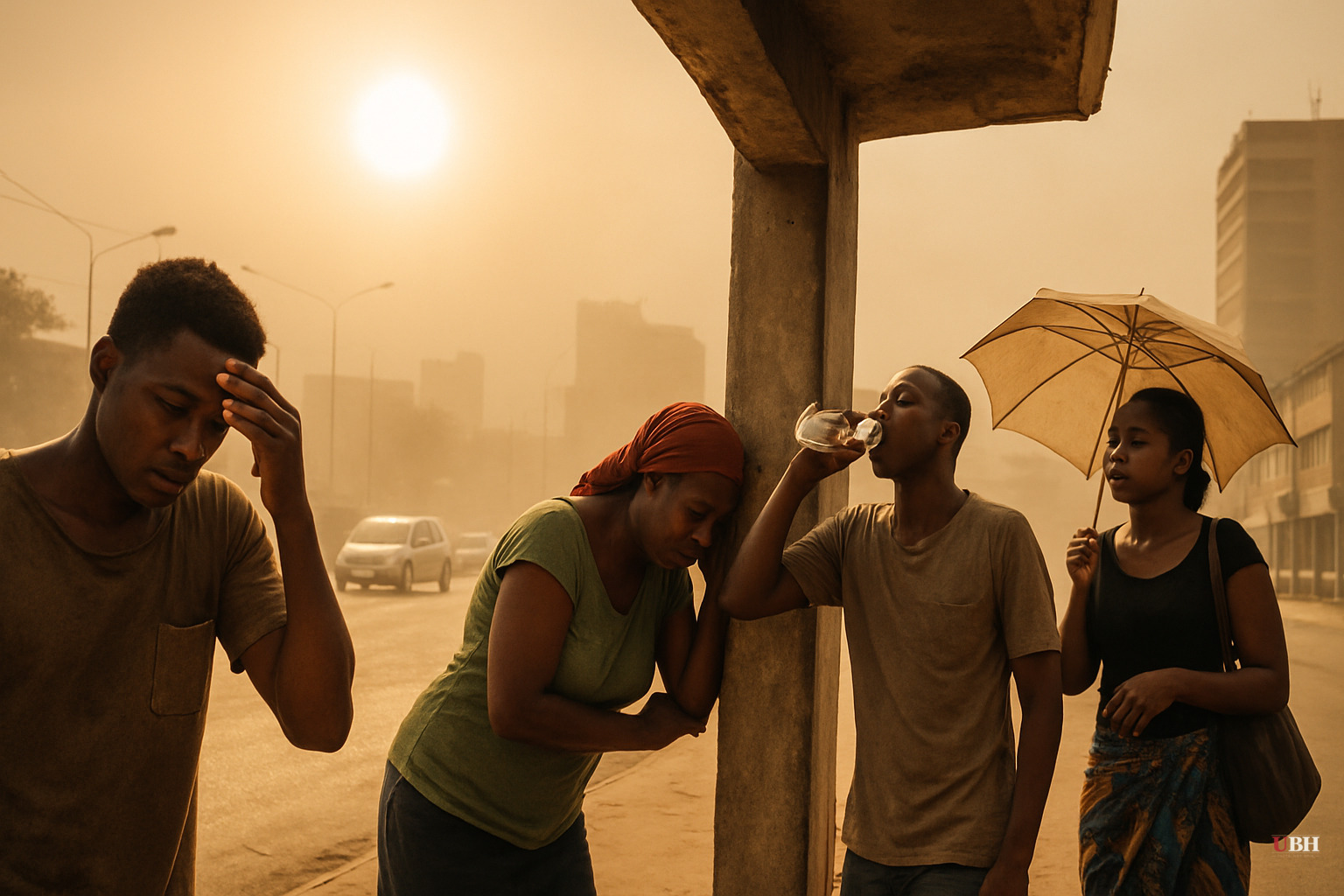
A food security outlook covering June 2026 through January 2027, published by the Famine Early Warning Systems Network (FEWS NET) using data current as of June 30, 2026, projects that the number of Angolans facing acute food insecurity will climb steadily through the period. FEWS NET puts the peak at 1.0 to 1.49 million people between November 2026 and January 2027, coinciding with the country's annual lean season, which the report says will peak in early 2027.
The report identifies southern agropastoral areas as the hardest hit. Households there depend on livestock sales, milk consumption, and seasonal agricultural labor. FEWS NET says all three of those income sources shrink from November to January as herds thin out and farm work dries up ahead of the next harvest.
A Country That Grew Fast, Then Got Squeezed
Angola's population passed 36 million in the 2024 census, according to FEWS NET, with roughly two-thirds of people now living in urban areas and about a third concentrated in and around Luanda. That's a direct legacy of the 1975 to 2002 civil war, when displaced rural households poured into cities and never left.
Those urban households aren't farmers. They buy food in markets, and they got hit hard when the Angolan government began a multi-step, gradual removal of domestic fuel subsidies starting in 2024. FEWS NET reports that move triggered a spike in transportation costs in July 2024, which fed directly into higher food prices for the urban poor. Inflation has cooled since then, but the report says food prices are still rising, just more gradually.
There's a legitimate case for cutting fuel subsidies. Angola has leaned on oil and diamond exports for decades, and the government says it's trying to diversify into mining, agriculture, tourism, and logistics, according to FEWS NET. Propping up cheap fuel indefinitely isn't free. Somebody pays for it, either through government debt or through funds that could go toward infrastructure and diversification. A government trying to wean itself off commodity dependence has to eventually let prices reflect real costs.
The flip side is that the people who bear the immediate pain from that reform aren't the officials making the decision. They're urban households in Luanda and other cities who saw transportation costs spike in 2024 and are still absorbing higher food prices two years later. FEWS NET's report doesn't say the subsidy removal caused the current lean-season crisis. That's rooted in seasonal rainfall and agropastoral cycles in the south. But it does tie urban food price pressure directly to the subsidy phase-out. Both things can be true: the reform may be fiscally necessary, and it's also squeezing the urban poor right now.
Geography Matters
Angola's rainfall is unimodal, meaning one wet season a year, running roughly October through May and into June in the north, according to FEWS NET. The north, northeast, and central regions get the most rain and produce cassava, bananas, pineapple, and livestock, plus riverine fishing. Those areas carry the lowest acute food insecurity risk, though they also host a small population of refugees from the Democratic Republic of Congo.
The central and center-south regions, including the central plateau, get less rain but still produce maize, small grains, and cassava surpluses that flow to cities and the coast. The coastal plains are drier still, relying on market gardening near cities, coastal fishing, and some irrigated commercial farming.
The south and southwest are where FEWS NET's warning concentrates. These agropastoral areas don't have the rainfall or crop surpluses of the north and center, and they're the region where livestock sales, milk, and seasonal labor all decline together heading into the November-to-January stretch.
What Comes Next
FEWS NET's projection runs through January 2027, meaning the worst of this cycle hasn't arrived yet. The open questions are whether Angola's government continues further phases of fuel subsidy removal on schedule, whether food prices keep climbing gradually as the report describes, and whether the southern agropastoral crisis stays within the projected 1.0 to 1.49 million range or exceeds it once the lean season actually peaks early next year.
Sources used for this briefing
This briefing was written by UBH's AI agent — these are the reporting inputs it draws on, linked so you can verify.


