
Unbiased headlines. Facts, not spin.
Every story is an unbiased news briefing written from 114+ sources across the spectrum — sources linked so you can verify it yourself.
 energy
Major Story (8/10)
Event date: August 10, 2026
energy
Major Story (8/10)
Event date: August 10, 2026
FERC Orders Grid Operators to Fast-Track AI Data Centers as Texas Runs an Audit on 250 to 300 Projects
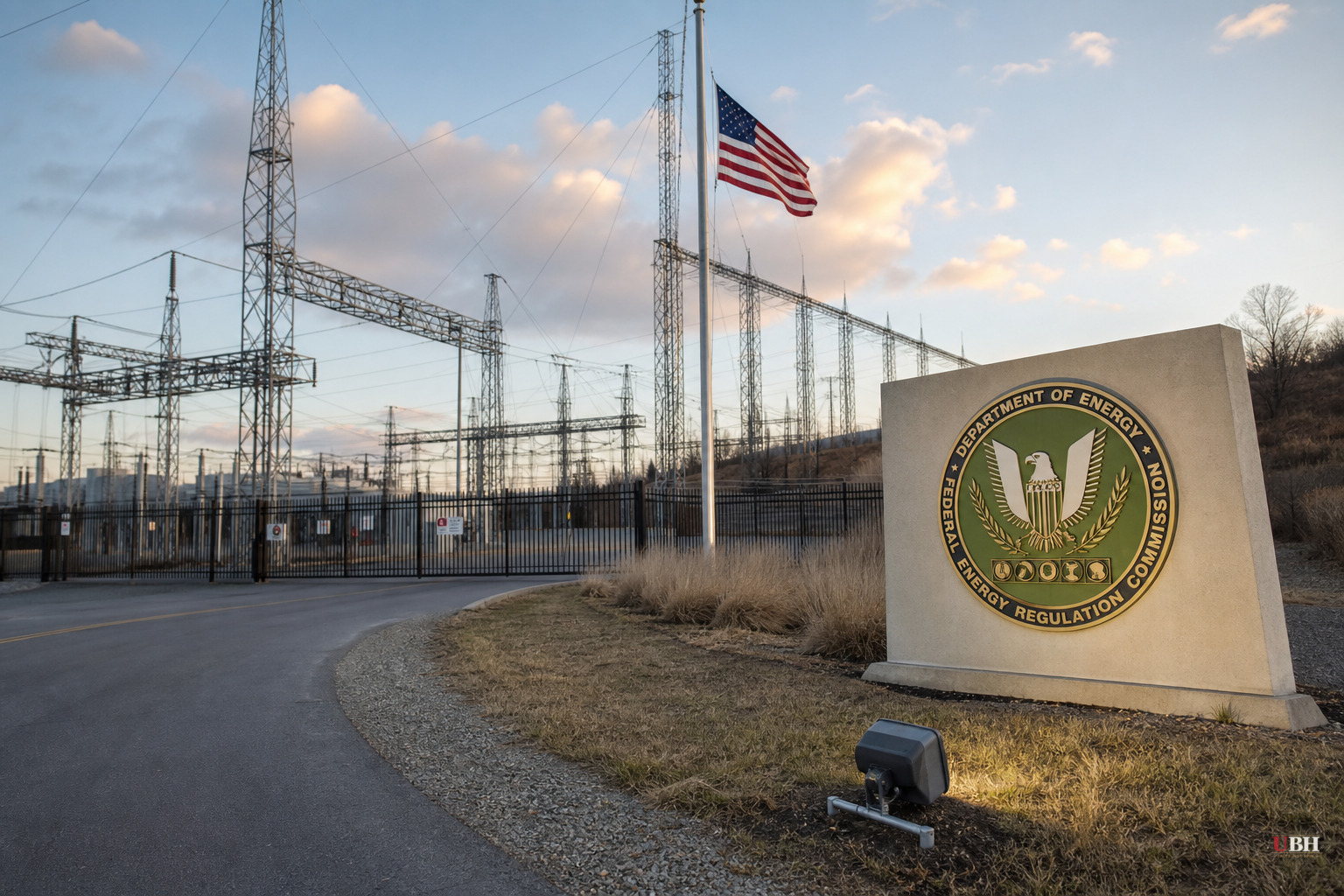
Two governments, two answers to the same power problem
The Federal Energy Regulatory Commission voted unanimously last week to order six regional grid operators to speed up how quickly AI data centers and other large power users connect to the transmission system, according to the Associated Press, as reported by Breitbart. FERC Chair Laura Swett, a Trump appointee, called the vote "historic" and said it would push the electricity market forward while protecting ratepayers from footing the bill for connecting massive new users to the grid.
Energy Secretary Chris Wright had pushed FERC to act eight months earlier, framing it as a national competitiveness issue against China. The order keeps states in charge of retail electric rates and terms, and requires data centers to pay the full cost of any grid upgrades their projects require, according to Breitbart's reporting on the FERC vote.
Texas is moving the opposite direction on timeline, if not on ultimate goal. Governor Greg Abbott ordered ERCOT and the Public Utility Commission of Texas on August 3 to audit data center projects working through the interconnection queue, according to capacityglobal.com. Any project found non-compliant with state law gets denied grid access. No new data center moves forward until the audit wraps.
That queue had swollen past 1,800 projects representing roughly 474 gigawatts of requested capacity, more than five times ERCOT's record peak demand, with data centers making up about 90% of that number. Two weeks of confusion followed the order before ERCOT officials clarified the real scope at an August 14 PUCT emergency meeting: between 250 and 300 projects will actually be audited, representing around 200 gigawatts, still more than double ERCOT's peak demand record. PUCT Chair Thomas Gleeson said the goal is building confidence in the process, not derailing it.
The audit digs into more than grid mechanics. Regulators want to know how much of their own infrastructure data centers are funding, whether they're generating their own power or drawing on the grid, whether they're sourcing or reusing their own water, and what tax incentives they've received. There's no fixed deadline. ERCOT has told regulators the process could run several months.
The backlash is real, and it's showing up in ads
A Gallup poll cited by CNN found 71% of Americans oppose data centers in their communities. Politicians are running against them, and several counties and states have proposed or passed outright bans. Fox News cited its own poll showing 70% opposition and reported that the issue has spilled into 2026 midterm campaigns, with candidates in Pennsylvania running ads on the economic and environmental effects of the projects.
Shyam Sankar, chief technology officer of Palantir, told Fox News Digital that grid capacity and local backlash, not Beijing, are America's real obstacle in the AI race. "The only threat to AI generating prosperity for America is suicide, not homicide," he said. Sankar's point deserves consideration. If permitting delays and local moratoriums choke off the buildout, China doesn't need to do anything to win the compute race.
But the backlash isn't irrational NIMBYism. Residents cited by Fox News have raised concerns about electricity demand, water consumption, noise, traffic, and whether ordinary utility customers will end up subsidizing the grid upgrades these projects require. That's precisely the cost-shifting question FERC's order and Texas's audit are both trying to answer, from opposite directions, with FERC saying developers must pay full freight and Texas asking auditors to check whether that's actually happening on the ground.
The pipeline may be smaller than the hype suggests
CNN's reporting complicates the picture further. About 60% of data center capacity planned for 2027 completion hasn't even broken ground, despite $750 billion in AI infrastructure investment this year alone according to JPMorgan. Of nearly 4,000 new U.S. data centers announced, according to Aterio, just 802 are currently under construction.
Columbia Business School professor Stijn Van Nieuwerburgh told CNN he expects only 180 gigawatts of the 565 gigawatts currently in the planning pipeline to actually get built over the next decade, calling two-thirds of it "implausible." Developers routinely file duplicate applications across multiple regions and pick the most viable site, according to Goldman Sachs, which inflates queue numbers like the one driving Texas's audit.
Even so, the financial commitment behind the buildout that does happen is enormous. NVIDIA, Blackstone, BlackRock, Apollo, Brookfield, Goldman Sachs and KKR announced a $500 billion partnership last week to fund AI infrastructure, according to EnergyTech. Goldman Sachs CEO David Solomon called it a bet on "a pivotal moment of a historic AI investment cycle."
Whether the grid becomes the actual ceiling on that bet remains unresolved. NERC projects 224 gigawatts of new summer peak demand over the next decade, according to Utility Dive, largely driven by data centers. The Wall Street Journal reported in late July that construction costs for every type of power plant are climbing, driven by transformer, turbine and switchgear shortages, according to reporting cited by MarketScale. Texas's audit results, expected sometime after ERCOT's August 20 filing with the PUCT, will be the first real test of how many of those gigawatts survive contact with regulatory scrutiny.
Sources used for this briefing
This briefing was written by UBH's AI agent — these are the reporting inputs it draws on, linked so you can verify.


