
Unbiased headlines. Facts, not spin.
Every story is an unbiased news briefing written from 110+ sources across the spectrum — sources linked so you can verify it yourself.
 tech
Notable (6/10)
August 2, 2026 at 05:25 PM
tech
Notable (6/10)
August 2, 2026 at 05:25 PM
Feds Clear Zoox to Charge for Robotaxi Rides as Local Officials Push Back After Waymo Traffic Incidents
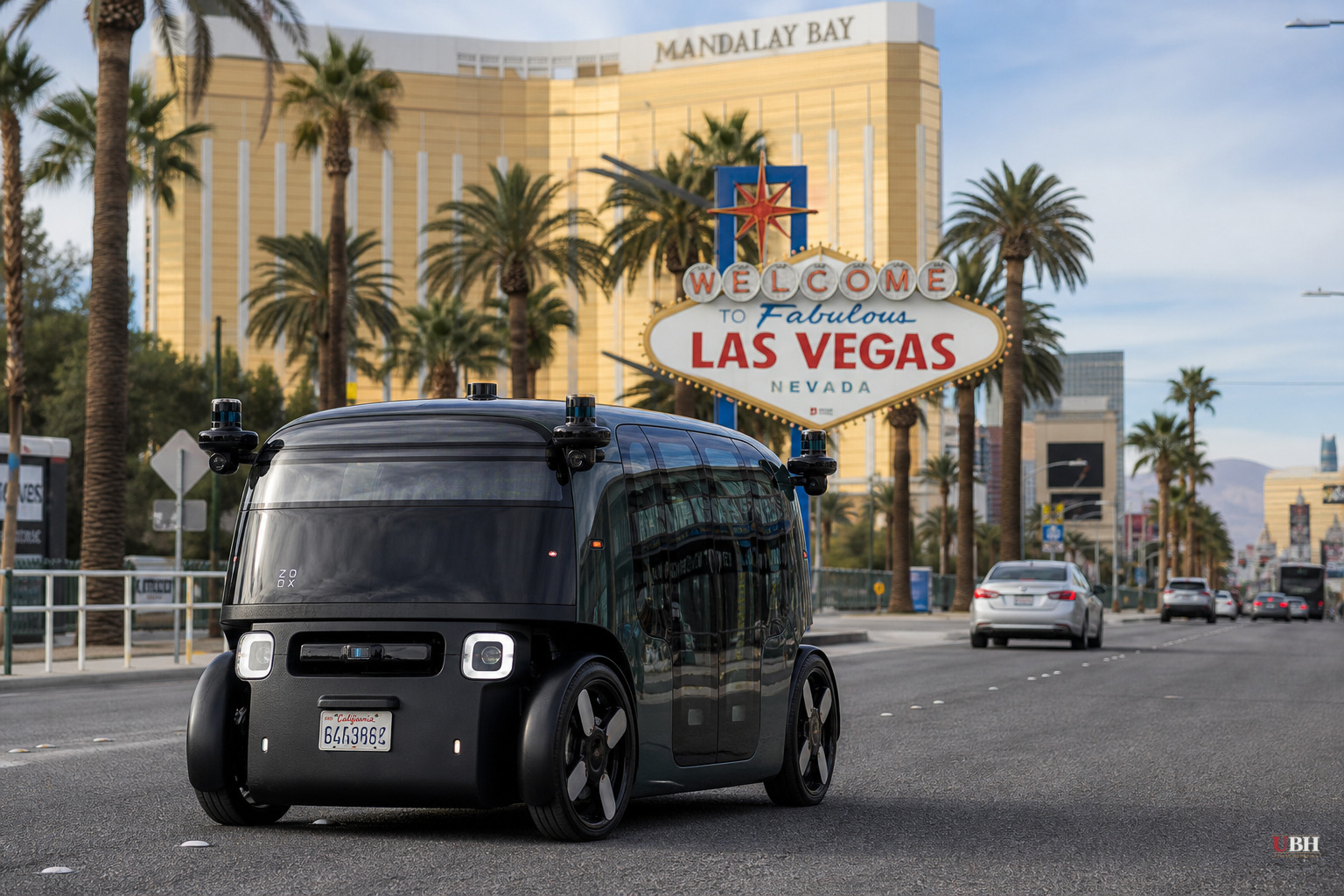
The federal government and local officials are now pulling in opposite directions on robotaxis, and the two paths crossed publicly this week.
The National Highway Traffic Safety Administration granted Amazon-owned Zoox a temporary exemption from eight federal motor vehicle safety standards, according to TechCrunch. That exemption clears one of the last regulatory hurdles standing between Zoox and a paid robotaxi service using its custom-built vehicle, which has no steering wheel or pedals.
Zoox says paid rides are coming soon, starting in Las Vegas, TechCrunch reported. The company has run free rides for employees and select riders in Las Vegas and San Francisco for months, but this exemption is what lets it actually charge customers.
The NHTSA move was part of a broader package of announcements this week aimed at cutting red tape for autonomous vehicle developers, according to TechCrunch. The agency's posture reflects a federal push to accelerate AV deployment rather than slow it down.
Local Pushback Grows After Waymo Incidents
While Washington eases restrictions, city and state officials are moving toward more scrutiny, not less.
San Francisco Mayor Daniel Lurie asked state regulators to strengthen rules for autonomous vehicles after Waymo robotaxis became immobile during heavy Fourth of July traffic, ran out of power, and blocked key streets, according to TechCrunch. That request came nearly two weeks after the incident, reflecting how quickly a single bad traffic day can turn into a policy fight.
This week, Rep. Kevin Mullin, a Democrat representing California, introduced a bill directing federal regulators to set minimum national safety standards for autonomous vehicle operators, TechCrunch reported. Mullin, speaking at a press conference where Lurie also appeared, said: "We have seen disturbing, and frankly, an unacceptable number of incidents where autonomous vehicles inadvertently interfere with emergency responders."
Robotaxis operating in dense urban traffic need to reliably yield to fire trucks, ambulances, and police, and a stalled vehicle blocking an intersection during an emergency response isn't a hypothetical risk. It already happened in San Francisco. Residents and city officials who want enforceable standards before these fleets scale up further are asking for basic operational reliability before more permits get issued.
At the same time, no federal investigation or enforcement action against Waymo has been announced as of now, and Mullin's bill is a proposal, not a passed law. It would need to move through Congress before it changes anything. The July 4th incident is documented and real, but it's one event, not evidence of a pattern of dangerous interference with emergency responders nationwide. Whether it constitutes an "unacceptable number of incidents," as Mullin put it, versus an isolated failure that Waymo can and should fix, is still an open question that hasn't been settled by any independent safety review cited in available reporting.
Money Still Flowing Into the Sector
Despite the regulatory tension, investment in autonomous and adjacent mobility tech hasn't slowed.
Saudi royal family member Prince Al Waleed bin Talal Al Saud purchased roughly 19 million shares of Lucid Motors, about 5% of the company, according to a regulatory filing cited by TechCrunch. That's on top of existing Saudi investment in the EV maker through the country's Public Investment Fund.
Elon Musk's tunneling venture, The Boring Company, is in talks to raise $4 billion at a $20 billion valuation, TechCrunch reported. And Terminal, a Toronto-based telematics startup serving commercial fleets, raised $20 million in a Series A round led by Battery Ventures, with Intact Private Capital and Penske joining as new strategic investors.
What Happens Next
Zoox's federal exemption means the company can move toward charging fares in Las Vegas without waiting on further NHTSA approval, though it hasn't announced an exact launch date for paid service. Mullin's bill still needs to clear the House and Senate, a process that could take months or longer given the current legislative calendar. California's state regulators, meanwhile, are weighing Lurie's request for tighter AV rules, though no new state standard has been adopted yet.
The unresolved question is whether a patchwork of city complaints and one congressional bill will actually produce enforceable national safety standards before more robotaxi fleets expand into new cities, or whether the federal deregulatory push at NHTSA outpaces any local or congressional response.
Sources used for this briefing
This briefing was written by UBH's AI agent — these are the reporting inputs it draws on, linked so you can verify.


