
Unbiased headlines. Facts, not spin.
Every story is an unbiased news briefing written from 110+ sources across the spectrum — sources linked so you can verify it yourself.
 economy
Major Story (7/10)
July 27, 2026 at 02:58 PM
economy
Major Story (7/10)
July 27, 2026 at 02:58 PM
Federal Transit Administration Hasn't Signed a Single New Construction Grant Since Trump Took Office
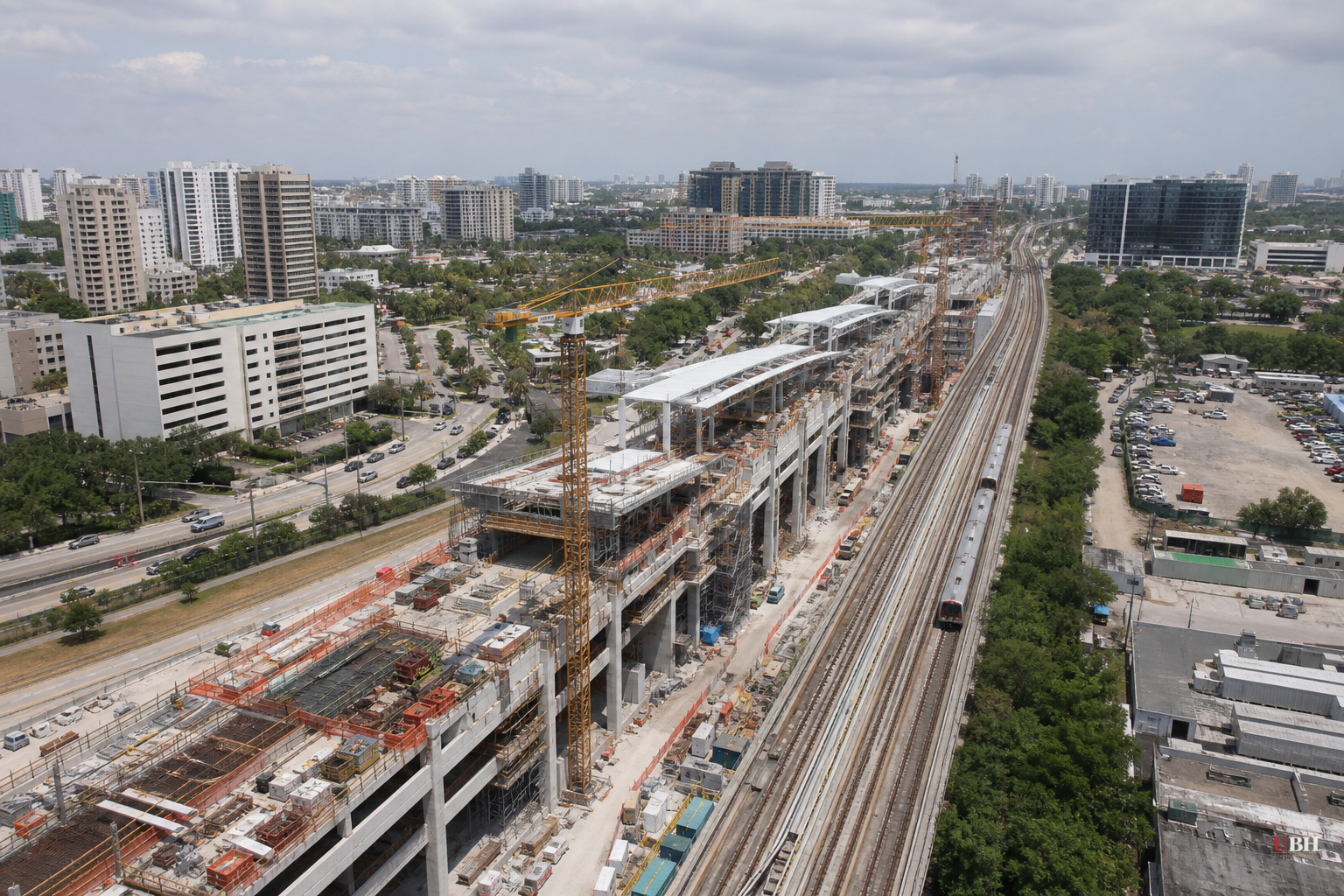
The Federal Transit Administration runs a program called Capital Investment Grants. It's how Washington has funded big transit projects for decades, things like new subway lines, train stations, and bus infrastructure overhauls. Since President Trump returned to office, the FTA hasn't signed a single new agreement under that program, according to the New York Times.
The program currently has money attached to major projects like the Second Avenue Subway extension in New York, the Red Line extension in Chicago, the Gateway Tunnel under the Hudson River, and bus infrastructure upgrades in Indianapolis and San Antonio, per the Times. Projects that were in the final stretch of a process that can take years are now sitting stalled.
More than $7 billion that Congress specifically designated for these grants hasn't been obligated to any project, the Times reported. That's taxpayer money already appropriated by Congress, sitting unused, while local transit agencies wait.
The administration also tried to halt payments already committed to the New York and Chicago projects, according to the Times. That move ended up in court, and judges intervened to keep the money flowing on agreements the federal government had already signed.
The Administration's Case
Conservatives have long argued that federal transit grants get larded up with cost overruns, union labor rules, and environmental review delays that balloon budgets far beyond original estimates. The Second Avenue Subway extension is one of the projects currently sitting in this stalled pipeline, and it has long been cited by critics as an example of how expensive and slow-moving these builds can be.
If the administration's position is that these programs need a hard look before more billions go out the door, that's a legitimate fiscal question. Taxpayers footing the bill for projects that run years late and over budget deserve scrutiny before Washington signs new checks.
Scrutiny and freezing an entire program are different things. The Times reporting doesn't indicate the FTA has announced a formal review, issued new guidance, or explained a policy rationale for the freeze. It just hasn't signed anything. That distinction matters between a considered policy change and simple non-action.
The Legal Problem
When the administration tried to halt payments already obligated to New York and Chicago, it wasn't proposing to review future grants. It was trying to halt money attached to signed agreements, according to the Times. Courts stepped in and forced the administration to keep paying out on those commitments.
That's a separate issue from whether new grants should be slow-walked. Once the federal government signs a contract, unilaterally deciding not to honor it raises real questions about executive authority over money Congress has already appropriated and legally committed. The judiciary's intervention suggests courts saw a problem serious enough to order continued payment while the dispute plays out.
Who's Affected
Cities like Indianapolis and San Antonio have bus infrastructure projects sitting in the same stalled pipeline as New York's subway extension and Chicago's Red Line, per the Times. Local transit agencies across the map built budgets and timelines around federal money they were told was coming.
The unresolved question is whether the FTA plans to eventually resume signing agreements under this program, and if so, on what timeline or under what new conditions. The Times report doesn't indicate the administration has laid out either. Until it does, more than $7 billion in congressionally designated funds sits on the sidelines, and transit agencies nationwide are left guessing whether the federal government intends to honor commitments it's made in the past or reshape the program entirely.
Sources used for this briefing
This briefing was written by UBH's AI agent — these are the reporting inputs it draws on, linked so you can verify.


