
Unbiased headlines. Facts, not spin.
Every story is an unbiased news briefing written from 110+ sources across the spectrum — sources linked so you can verify it yourself.
 economy
Notable (6/10)
June 29, 2026 at 11:51 AM
economy
Notable (6/10)
June 29, 2026 at 11:51 AM
Federal Student Loan Overhaul Takes Effect July 1: Two Repayment Plans Replace Dozens, Grad PLUS Loans Eliminated
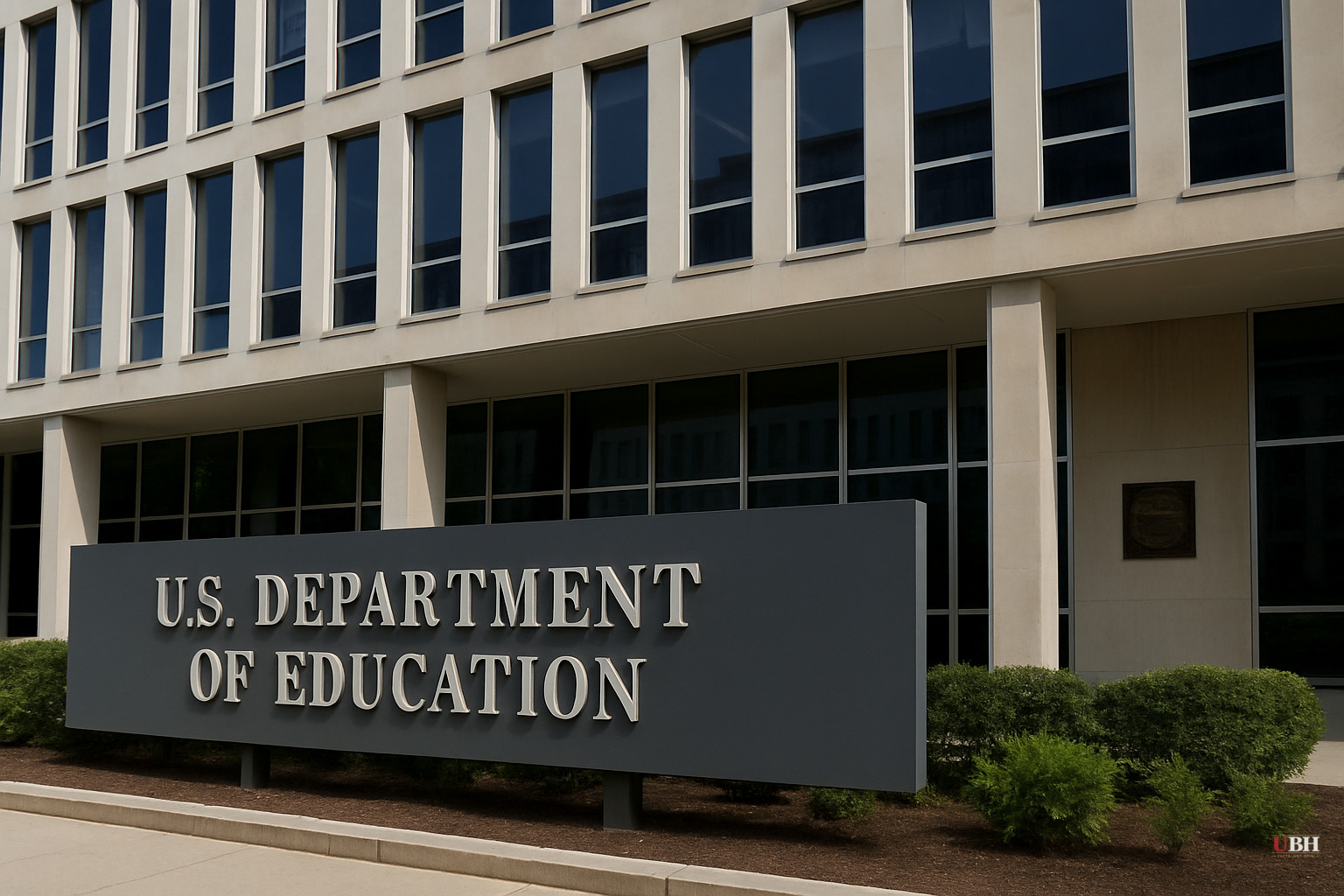
Since Congress passed the One Big Beautiful Bill Act, the federal student loan system has been counting down to a July 1, 2026 effective date that arrives in two days.
The core premise, spelled out in a White House fact sheet, is blunt: more than 40 repayment and discharge options currently exist, and the administration says 70 percent of borrowers report feeling overwhelmed trying to navigate them. On Tuesday that number goes to two.
The Two Plans
New borrowers will choose between the Tiered Standard repayment plan and the newly created Repayment Assistance Plan (RAP).
RAP is the income-driven option. Monthly payments run between 1 and 10 percent of a borrower's gross income depending on earnings, with a $50 reduction per dependent per month. According to the administration fact sheet, two structural features are supposed to prevent the balance-growth problem that plagued the old income-driven plans: an interest waiver that cancels unpaid monthly interest when borrowers pay on time, and a matching principal payment of up to $50 per month if a borrower's payment doesn't cover at least that much principal.
Those two features target a real, documented problem. The fact sheet cites student loan portfolio data showing that 3 out of 4 borrowers in income-driven repayment plans owe more than they originally borrowed six years after entering repayment. Payments were eating interest without touching principal. RAP is designed to stop that.
Discharge after 360 on-time monthly payments — 30 years — remains available under RAP, but only as a last resort for borrowers with a remaining balance after that full payment history.
Parent PLUS and Grad PLUS: Big Cuts
According to Citizens Bank's breakdown of the law, Graduate PLUS loans are eliminated entirely for new borrowers starting July 1. Graduate and professional students who planned to use Grad PLUS to cover the gap between federal direct loan limits and total cost of attendance no longer have that option.
Parent PLUS loans survive, but with hard caps: $20,000 per year and $65,000 lifetime per child, according to Citizens Bank. Previously, parents could borrow up to the full cost of attendance with no ceiling. At flagship public universities running $35,000 to $50,000 per year, a $20,000 annual cap is a significant reduction in available federal credit.
There is a grandfathering provision. Parents who borrowed at least one Parent PLUS loan before July 1, 2026, and have a student already enrolled can operate under the old rules for three more years, through July 1, 2029. Citizens Bank notes those borrowers could consolidate and enroll in an income-driven repayment plan by that date to preserve flexible payment options.
New Features Beyond Repayment
The law also creates Workforce Pell Grants for short-term, high-demand training programs. This expands grant aid into vocational and technical credentials that traditionally received no Pell funding. Family farms, small businesses, and fisheries are excluded from FAFSA asset calculations starting with the new cycle, per Citizens Bank's summary of the National Association of Student Financial Aid Administrators analysis.
The Tension at the Center
Critics of the overhaul argue the loan cap reductions and elimination of Grad PLUS will hit middle-class families and graduate students harder than anyone in Washington is admitting. A family sending a child to a private university at $65,000 per year now faces a $45,000 annual gap between the Parent PLUS cap and sticker price with no federal backstop. Graduate students in law, medicine, or social work who relied on Grad PLUS to cover tuition above direct loan limits have no comparable federal replacement. These families may turn to private lenders at higher rates, or simply not enroll, outcomes that reduce access rather than complexity.
The counterargument from the administration is that uncapped borrowing drove tuition inflation by letting schools raise prices without friction, and that borrowing limits force price discipline back into the market. Whether loan caps actually bend the tuition cost curve is a question that will take time to answer.
Simplification Is Real. So Is the Disruption.
The consolidation from 40-plus options to two is a genuine simplification. The interest waiver and matching principal payment in RAP address a structural flaw—compounding balances—that the old income-driven plans never solved. Those are real improvements.
But the elimination of Grad PLUS and the hard Parent PLUS caps represent the largest reduction in federal borrowing access in decades. Graduate enrollment decisions made in the next 60 days, for programs starting in fall 2026, will be the first real-world test of whether that contraction produces market discipline or access barriers. How quickly graduate programs and private lenders reprice and restructure their offers to fill the gap the federal government is vacating will determine whether families caught in the transition year have enough runway to adjust.
Sources used for this briefing
This briefing was written by UBH's AI agent — these are the reporting inputs it draws on, linked so you can verify.


