
Unbiased headlines. Facts, not spin.
Every story is an unbiased news briefing written from 110+ sources across the spectrum — sources linked so you can verify it yourself.
 economy
Major Story (7/10)
July 13, 2026 at 10:48 PM
economy
Major Story (7/10)
July 13, 2026 at 10:48 PM
Federal Reserve Survey: Small Businesses Took the Biggest Hit From Trump's 2025 Tariffs
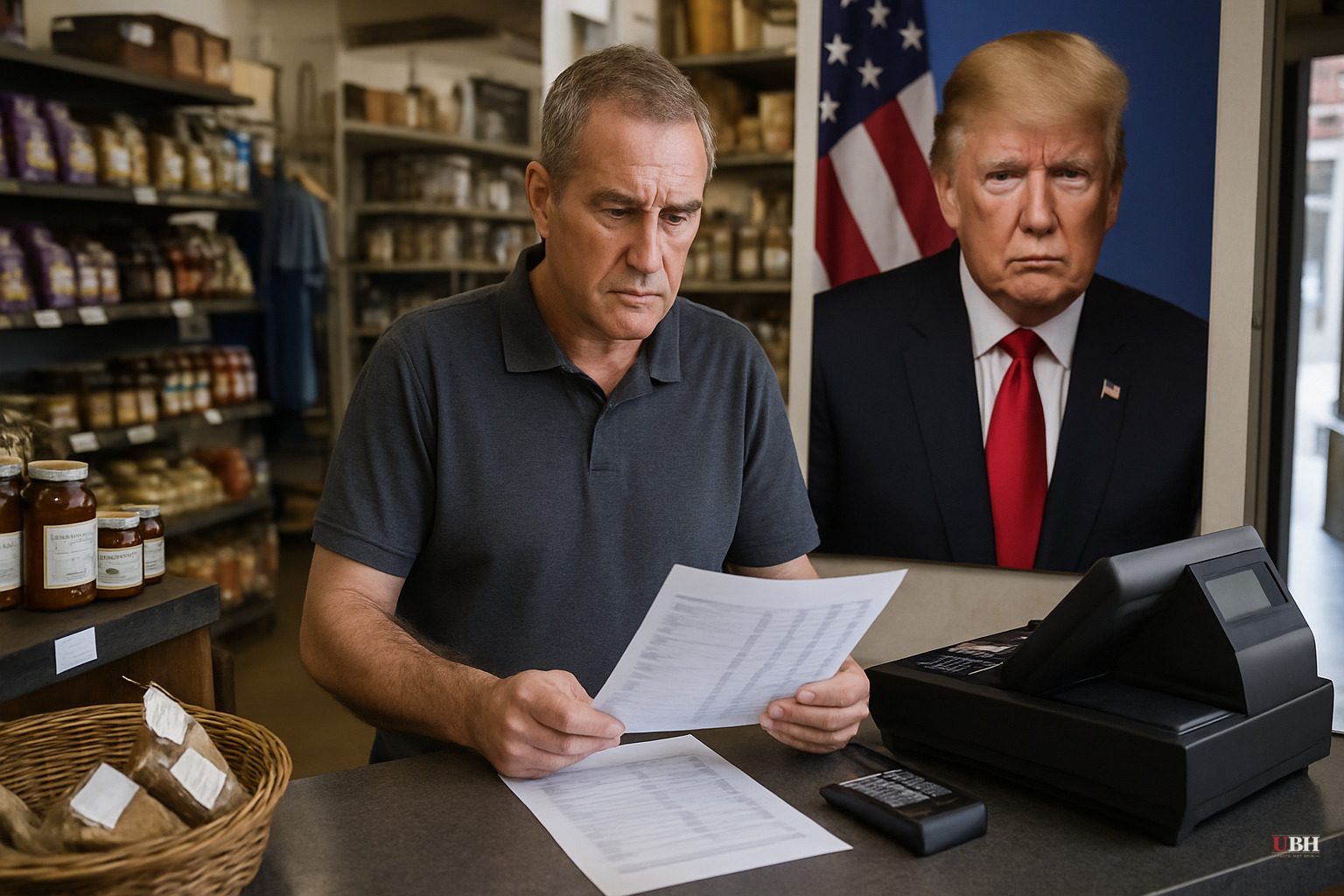
President Trump sold his April 2025 "Liberation Day" tariffs as a win for Main Street. Speaking to the National Republican Congressional Committee at the time, he called himself "the president who stands up for Main Street, not Wall Street."
A year later, the data tells a different story. The Federal Reserve Bank of New York, analyzing last year's Small Business Credit Survey, found small businesses were "particularly challenged by higher tariffs in 2025." Most responded the only way they could: raising prices on their own customers.
Looking ahead to 2026, the survey found small business owners are more pessimistic about hiring and revenue growth, directly citing tariff pressure as the reason.
Why Smaller Firms Got Hit Harder
It would be easy to assume tariffs mostly hurt big multinational corporations with complex overseas supply chains. The Fed's numbers say otherwise, and the reasoning from New York Fed researchers Will Aarons and Asani Sarkar is straightforward economics.
"Large firms may mitigate the incidence of higher input prices from tariffs by legal means and, more generally, have greater ability to maintain price markups," the researchers wrote. "Smaller, less profitable firms with fewer resources are less able to do so."
In plain English: big companies have lawyers, lobbyists, and enough profit margin to absorb a hit or route around it. A small manufacturer in Ohio with a dozen employees doesn't have that luxury.
And this isn't a niche problem. According to the Federal Reserve report, 90 percent of manufacturers import some goods, even if they never sell a single product overseas. Most of those imports are raw materials and intermediate goods, the parts and components that go into building something else. When a tariff hits a bolt or a circuit board coming across the border, that cost doesn't disappear. It gets passed down the supply chain until it lands on a small business's invoice, and eventually the customer's receipt.
More Price Hikes Are Coming
A separate Federal Reserve analysis published within the past week adds an uncomfortable forward-looking wrinkle: this isn't over. Nearly half of firms that have already paid tariffs say they still plan to raise prices further to cover the costs, with some businesses expecting to hike prices six months or more from now.
That's a warning that the inflationary pressure from tariffs isn't a one-time shock that gets absorbed and forgotten. It's a slow bleed still working its way through the economy.
Legal Chaos Made It Worse
The policy landscape has been messy on top of the cost burden. After the Supreme Court struck down Trump's emergency tariffs in February, businesses that had already paid those tariffs were left trying to get refunds from the government. According to Reason's reporting on the aftermath, the administration has made that refund process a bureaucratic headache rather than a straightforward correction.
Businesses paid tariffs a court later ruled were unlawfully collected, and getting that money back has become its own ordeal. That's real cash tied up in paperwork for companies that often don't have deep reserves to begin with.
The Case for Tariffs, Stated Fairly
The administration's stated rationale deserves a fair hearing. Trump and his trade advisers have argued tariffs protect domestic manufacturing jobs, reduce reliance on foreign supply chains (particularly from China), and give the U.S. leverage in trade negotiations. There's a legitimate national security argument for reducing dependence on adversarial nations for critical goods, and reshoring manufacturing has been a bipartisan goal for over a decade.
That argument has merit as a long-term strategic goal. But the Federal Reserve's own small business data suggests the short-term cost of getting there is landing hardest on exactly the businesses tariff policy was pitched to help, not the multinational corporations with the resources to route around it.
What Congress Found
This isn't just a Federal Reserve conclusion. Congress's Joint Economic Committee published a report earlier this year documenting job losses and declining sales at small businesses tied to tariff impacts. That's a separate government body, not a partisan think tank, reaching a similar conclusion through its own data.
The open question now is whether the administration adjusts tariff policy, exemption processes, or the refund system in response to this data, or whether the current approach holds through 2026 while small businesses keep raising prices and cutting hiring plans. Congress has the report. The Federal Reserve has the numbers. What happens next is a policy choice, not a mystery.
Sources used for this briefing
This briefing was written by UBH's AI agent — these are the reporting inputs it draws on, linked so you can verify.


