
Unbiased headlines. Facts, not spin.
Every story is an unbiased news briefing written from 110+ sources across the spectrum — sources linked so you can verify it yourself.
 economy
Notable (6/10)
August 3, 2026 at 06:23 PM
economy
Notable (6/10)
August 3, 2026 at 06:23 PM
Federal Prosecutors Charge 15 in Massachusetts Benefit Fraud Ring as Improper Payments Hit $186 Billion
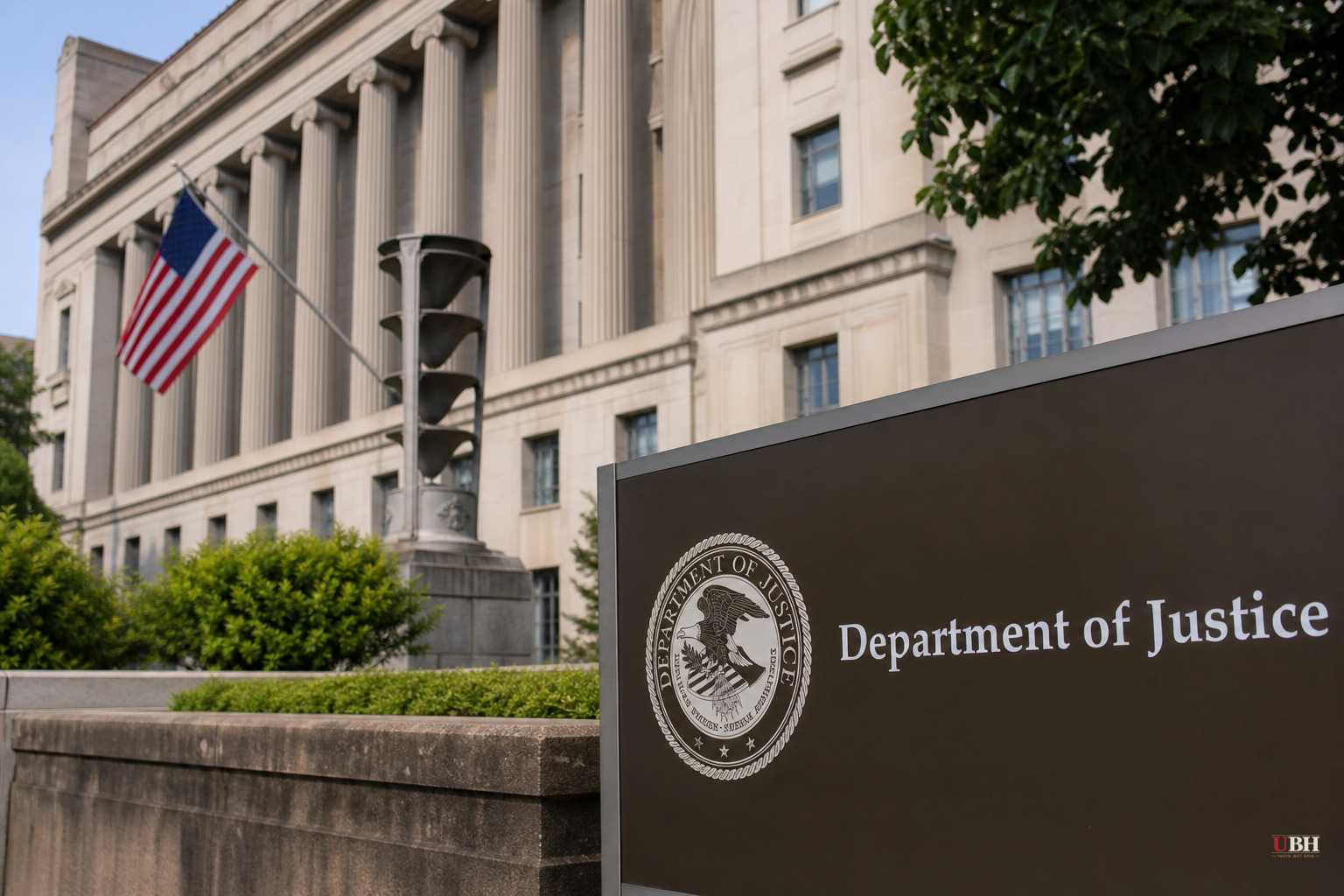
Federal prosecutors in Massachusetts charged 15 people in connection with an identity fraud ring that used stolen personal information to divert more than $1.4 million in food stamps, MassHealth, Social Security, unemployment, and housing assistance, according to the Washington Examiner. The case involved more than 100 stolen identities used across state lines, including some claimed in the names of dead recipients.
The Massachusetts case is one of several similar prosecutions the Justice Department has pursued as it steps up enforcement against large-scale benefit fraud. These are not one-off scams. They point to a verification system that hasn't kept pace with how fraud actually works now.
The Supplemental Nutrition Assistance Program spends roughly $100 billion a year. Federal estimates cited by the Washington Examiner put improper payments across benefit programs, including fraud and administrative error, at $186 billion in fiscal 2025. The Government Accountability Office has separately estimated annual losses from fraud alone at somewhere between $233 billion and $521 billion.
That's a wide range. Fraud is inherently hard to measure precisely because it's designed to evade detection. The GAO's own estimate spans nearly $300 billion, which shows how much uncertainty exists in a system that relies on retrospective audits rather than real-time verification. That uncertainty itself is a legitimate policy problem, not just a rhetorical one.
How the fraud actually works
Identity verification in most federal and state benefit systems still leans on static identifiers, mainly Social Security numbers, according to the Washington Examiner. Those numbers are widely available on the dark web following years of data breaches. Verification often happens through one-time document checks at enrollment, not continuous monitoring afterward.
That creates an opening. Fraud networks can acquire or fabricate identities, test them across different states and programs, and pull money out before any human catches the pattern. By the time investigators build a case, the money's typically gone. Recovery rates are poor, and some recovery efforts reportedly cost four to five times what they eventually claw back.
The system faces a lose-lose tradeoff. Make verification tighter and you risk delaying or denying benefits to legitimate applicants who genuinely need food assistance or unemployment support. Keep it loose and you leave the door open for organized fraud rings to operate largely unimpeded. Neither option is good, and agencies have been stuck reacting to fraud after the fact instead of preventing it up front.
The legitimate counter-argument
There's a fair concern that gets raised whenever fraud crackdowns come up: tightening verification can burden the people the programs are supposed to help. Low-income applicants often lack easy access to updated documentation, reliable internet, or the time to navigate additional bureaucratic steps. Advocates for benefit recipients have long argued that fraud-prevention measures sometimes catch more legitimate people in the net than actual criminals, especially when systems flag mismatched addresses or paperwork errors as fraud indicators.
A verification system that's fast and modern for honest applicants but airtight against organized fraud rings is the goal, not one that trades speed for security or vice versa. The Washington Examiner's argument is that continuous, modern verification rather than sporadic document checks could actually serve both goals at once by cutting false positives while closing the loopholes fraud rings exploit.
What's actually proven versus what's still an estimate
The Massachusetts prosecution is a proven case: 15 people charged, more than $1.4 million diverted, backed by federal indictment. The broader claim that fraud losses could run into the hundreds of billions annually is a federal and GAO estimate, not a court-verified total. No sweeping nationwide fraud conviction total exists to match those numbers, because most improper payments blend outright fraud with administrative error, expired eligibility, and paperwork mistakes rather than criminal theft.
The push for a "trust framework" with continuous verification, as described in the Washington Examiner piece, has no specific legislative proposal attached in current reporting. No bill number, no sponsor, no hearing date has been identified. It's a policy direction being argued for, not a package moving through Congress right now.
The Justice Department continues to prosecute these rings as they're uncovered, state by state. Whether Congress or the states will fund and mandate the kind of real-time identity infrastructure that could get ahead of fraud instead of chasing it after the money's already gone remains to be seen.
Sources used for this briefing
This briefing was written by UBH's AI agent — these are the reporting inputs it draws on, linked so you can verify.


