
Unbiased headlines. Facts, not spin.
Unbiased Headlines is an independently owned news organization. We bring you the facts, not opinions, written fresh from 110+ named sources. Sources linked so you can verify it yourself.
 politics
Notable (6/10)
politics
Notable (6/10)
Federal Judge Revives Michigan Parents' Religious-Freedom Claim Over School's Transgender Name Policy
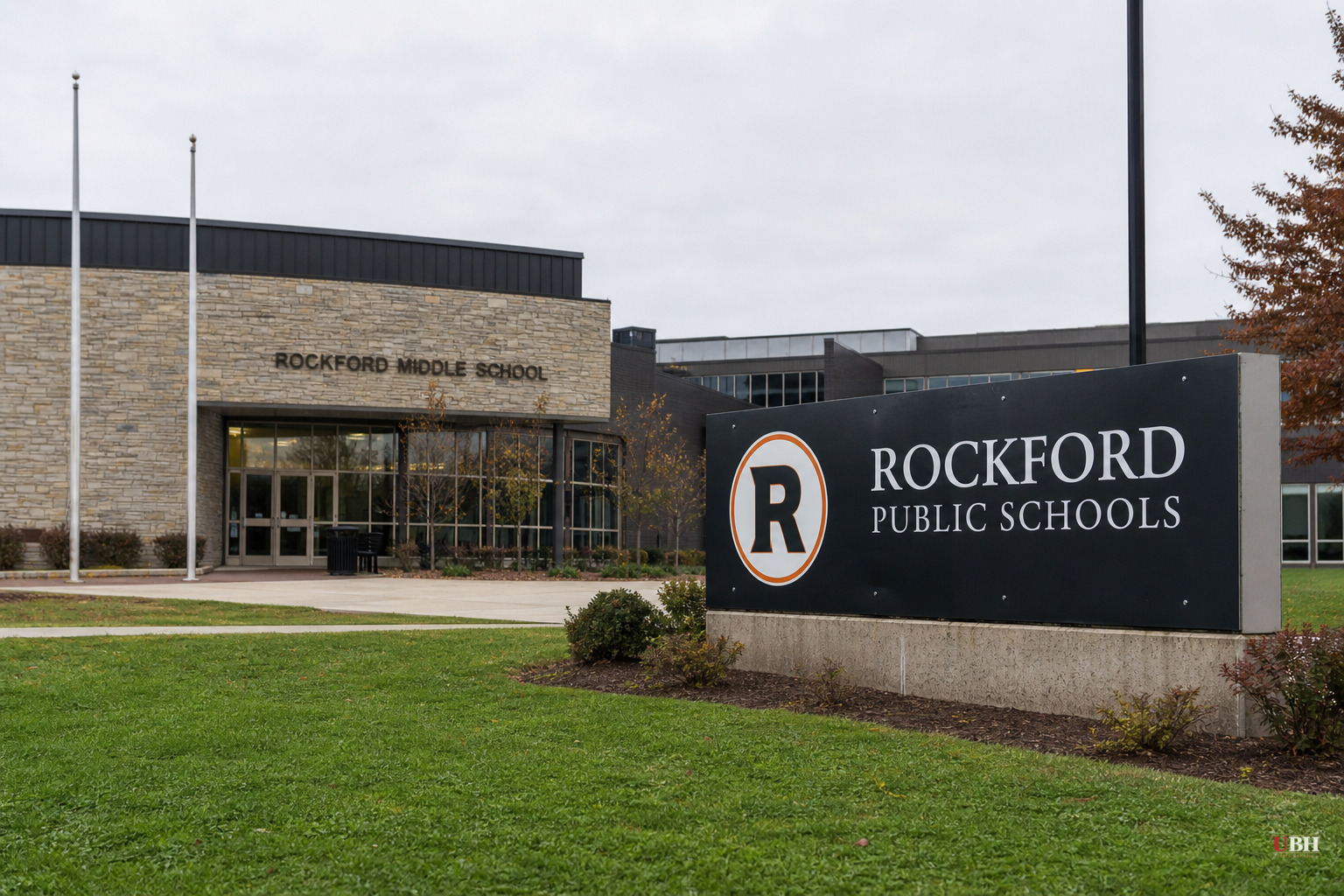
A federal judge in Michigan has reinstated a religious-freedom claim from parents who say Rockford Public Schools socially transitioned their seventh-grade daughter at school without telling them, reversing his own earlier dismissal of the claim.
Judge Paul Maloney of the U.S. District Court for the Western District of Michigan granted a motion for reconsideration in the case, Mead v. Rockford Public School District, according to a summary of the ruling published by Reason. The decision lets Dan and Jennifer Mead's free exercise claim move forward again after Maloney had thrown it out in August 2025.
The Meads' daughter, identified in court filings as G.M., asked the school to use a different name and male pronouns. According to the case summary, the district had policies encouraging staff to comply with such requests from students, even without notifying parents. The school followed that policy. The Meads found out, withdrew G.M. from the school, and sued the district and its school board.
The Meads believe, as a matter of religious conviction, that sex is fixed at birth and is, in their words, a "gift from God." They argue that referring to their child using a name and pronouns inconsistent with her biological sex sends a false message about her identity. They contend that doing so without their knowledge or consent violates their right to direct their child's religious upbringing.
Why the case flipped
When Maloney first dismissed the free exercise claim in August 2025, he reasoned that the district's policy didn't force the Meads or their daughter to believe or do anything. It was, in his view, an internal staff guideline, not a curriculum mandate or an attendance requirement. He also found the policy neutral and generally applicable, meaning it applied to all students regardless of religion and wasn't targeting anyone's faith. Under that framework, the policy only needed to survive rational-basis review, the loosest level of judicial scrutiny, and it did.
That earlier ruling leaned on an unpublished 2025 Sixth Circuit decision, Doe No. 1 v. Bethel Local School District Board of Education, which had upheld a similar policy against a free exercise challenge.
Then, in March 2026, the U.S. Supreme Court issued a per curiam opinion in Mirabelli v. Bonta, a case with similar facts out of California. Maloney wrote that Mirabelli "raises questions" about how he'd analyzed the neutral-and-generally-applicable question the first time around, and agreed to reconsider. The Meads' parental rights claim, notably, was never dismissed. It survived the district's original motion to dismiss back in 2025 and remains active alongside the newly revived free exercise claim.
What's at stake
The core legal question is whether a school can adopt a policy of accommodating a student's request to change how they're referred to at school while deliberately keeping that information from parents, without running into a parent's constitutional right to direct their child's upbringing and religious formation.
School districts that have adopted these policies generally argue they're protecting students, particularly those in unsupportive homes, from potential rejection or harm. That's a real and serious concern. Some LGBT students do face hostility or worse from family members after coming out. Advocates for these policies say confidentiality can be a safety measure, not a scheme to cut parents out.
But the Meads' argument is straightforward: parents, not school staff, have the primary constitutional right to raise their children according to their own values and beliefs. A policy that affirmatively withholds a significant development in a child's identity from parents cuts against that right regardless of the school's intentions. The Supreme Court's willingness to revisit this area in Mirabelli suggests at least some justices found the lower courts' neutral-and-generally-applicable framework too forgiving of policies that functionally exclude parents from a major decision about their own child.
No court has yet ruled on the merits of whether Rockford's policy actually violated the Meads' rights. Maloney's order only means the claim survives a motion to dismiss and can proceed to further litigation, likely discovery and eventually summary judgment or trial. The district has not been found liable for anything.
The case now heads back into litigation with both the parental rights and free exercise claims alive. Whether Mirabelli forces a broader rewrite of how federal courts nationwide evaluate parental-notification disputes, or stays confined to its own facts, will likely play out across several similar cases already working through the lower courts, including the Sixth Circuit's Bethel Local decision that Maloney relied on the first time and may now need to revisit.
Sources used for this briefing
1 link from 1 independent newsroom (syndicated copies of the same report count once)
These are the sources it draws on, linked so you can verify.


