
Unbiased headlines. Facts, not spin.
Unbiased Headlines is an independently owned news organization. We bring you the facts, not opinions, written fresh from 110+ named sources. Sources linked so you can verify it yourself.
 politics
Notable (6/10)
politics
Notable (6/10)
DHS Plans to Hire Private Investigators to Track Down Deported Migrants Overseas
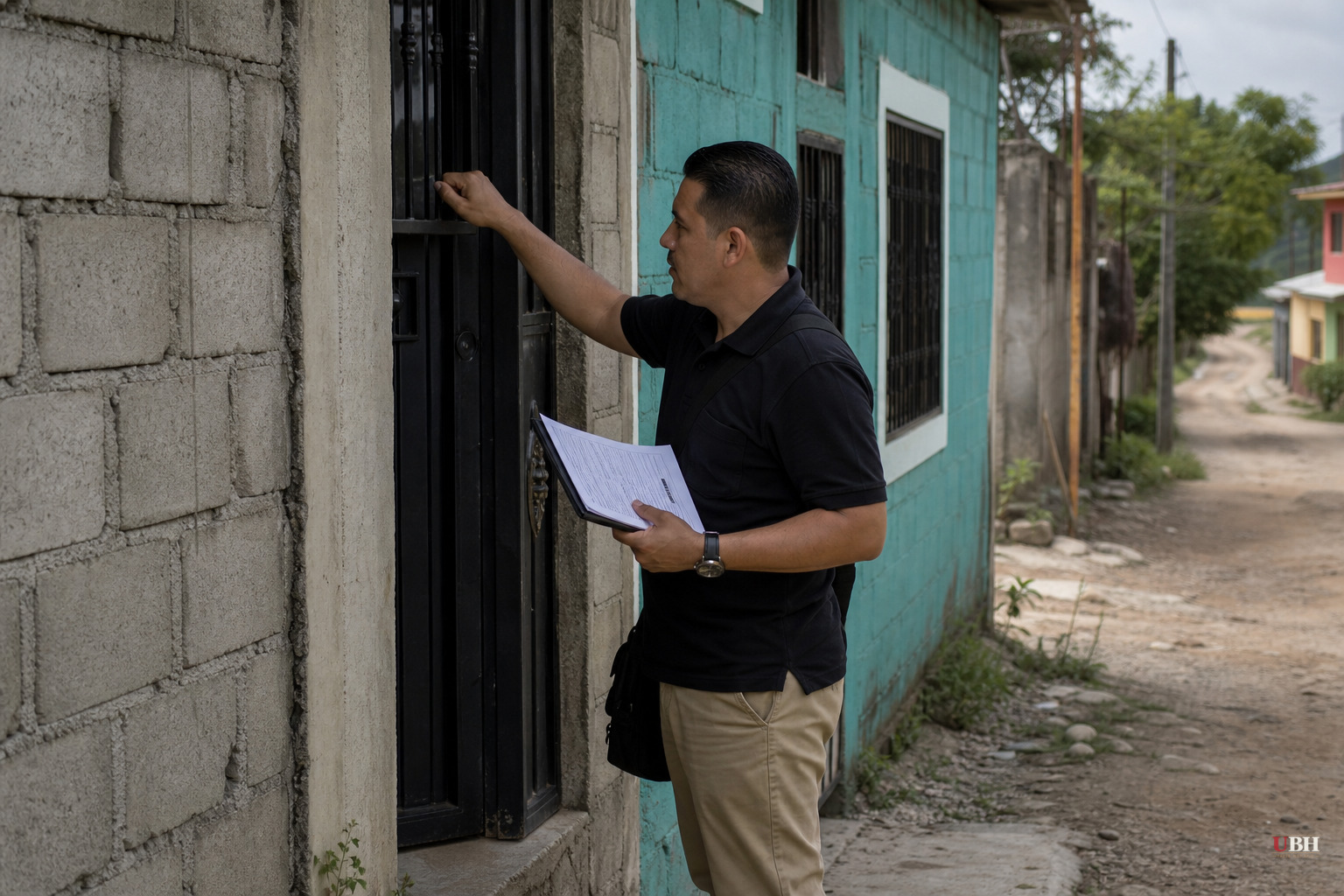
DHS has assessed more than $84 billion in civil immigration fines against people in the country illegally, according to Wired. Now it wants to pay private contractors to hunt down the people who already left.
The proposed program would cost up to $9 million over two years and cover Mexico, Guatemala, and Honduras, according to Wired's reporting, cited by ZeroHedge. Contractors wouldn't collect payment directly. Their job would be to confirm where a deported person now lives using photographs of their residence, utility bills, employment records, public documents, or other accepted evidence, then hand-deliver a notice listing what they allegedly owe.
This builds on something ICE already does inside the United States: paying private skip-tracing firms to locate people. The new piece is geographic. It extends that same investigative model to people who are no longer in the country and, in many cases, no longer under U.S. jurisdiction in any meaningful sense.
The Fines Nobody Can Escape
The Trump administration has spent months encouraging migrants to self-deport, promising that leaving voluntarily would result in many of these fines being forgiven. The fines DHS is talking about include "failure-to-depart" penalties, which Wired reports can pile up to hundreds of thousands or even millions of dollars depending on how long someone stayed. If the government is simultaneously telling people "leave and we'll wipe the slate clean" while building a $9 million overseas tracking apparatus to chase down unpaid balances, those two messages are in tension. Legal advocates cited by Wired argue exactly that: the tracking program undercuts the self-deportation pitch, because some fines apparently survive it.
Hasan Shafiqullah, an attorney currently challenging the fines in court, asked: "What's the point of this?" If the goal is encouraging voluntary departure, spending money to chase departed people down for penalties seems to work against that goal.
What Legal Experts Are Saying
NYU law professor Alina Das called the program a "significant escalation in tactics." Attorney Charles Moore described it as "part and parcel" of the broader immigration enforcement push under this administration. Sending investigators into foreign countries to photograph private residences and compile dossiers on individuals is a genuine expansion of enforcement reach, whatever one thinks of the underlying policy.
CBP's position, as reported by Wired, is straightforward: the fines are legal obligations, and the notices simply inform people of debts they owe the U.S. government. Civil fines for immigration violations aren't new, and notifying someone of a debt isn't inherently abusive.
The due process and privacy concerns raised by immigration attorneys and civil rights groups deserve consideration. These are people no longer in the U.S., often with no practical way to contest a fine notice delivered by a private contractor to their home in Guatemala or Honduras. Whether that person has any real avenue to dispute the amount, or even verify it's accurate, isn't addressed in what DHS has released so far. No court challenge to the program itself has been reported, and no timeline for launching the contracts has been specified.
Where the Coverage Splits
ZeroHedge's writeup sticks close to the Wired reporting and largely lets the legal quotes carry the skepticism, without editorializing much beyond the framing choice to call the contractors "bounty hunters" in the headline, a term that implies a cash-for-capture bounty system. That's not quite accurate. The contractors are being paid flat fees to locate and document, not paid per fine collected, which is a meaningfully different incentive structure than an actual bounty.
commons.now's aggregation frames it similarly but folds the story into a broader list of Trump administration items without additional original reporting, offering no new facts beyond what Wired first documented.
Available reporting does not indicate who would actually enforce collection on someone living permanently in another country with no U.S. assets. DHS hasn't explained what mechanism exists to actually collect $84 billion in assessed fines from people who no longer have U.S. bank accounts, U.S. employment, or U.S. property. Without that, the program reads less like a debt-collection operation and more like a compliance and surveillance exercise aimed at documenting who left and where they went. Whether Congress or courts scrutinize the contract once it's finalized remains an open question.
Sources used for this briefing
2 links from 2 independent newsrooms (syndicated copies of the same report count once)
These are the sources it draws on, linked so you can verify.


