
Unbiased headlines. Facts, not spin.
Unbiased Headlines is an independently owned news organization. We bring you the facts, not opinions, written fresh from 110+ named sources. Sources linked so you can verify it yourself.
 politics
Major Story (7/10)
politics
Major Story (7/10)
Federal Judge Strikes Down Key Parts of 1934 Gun Control Law After Trump Tax Bill Zeroed Out the Fees
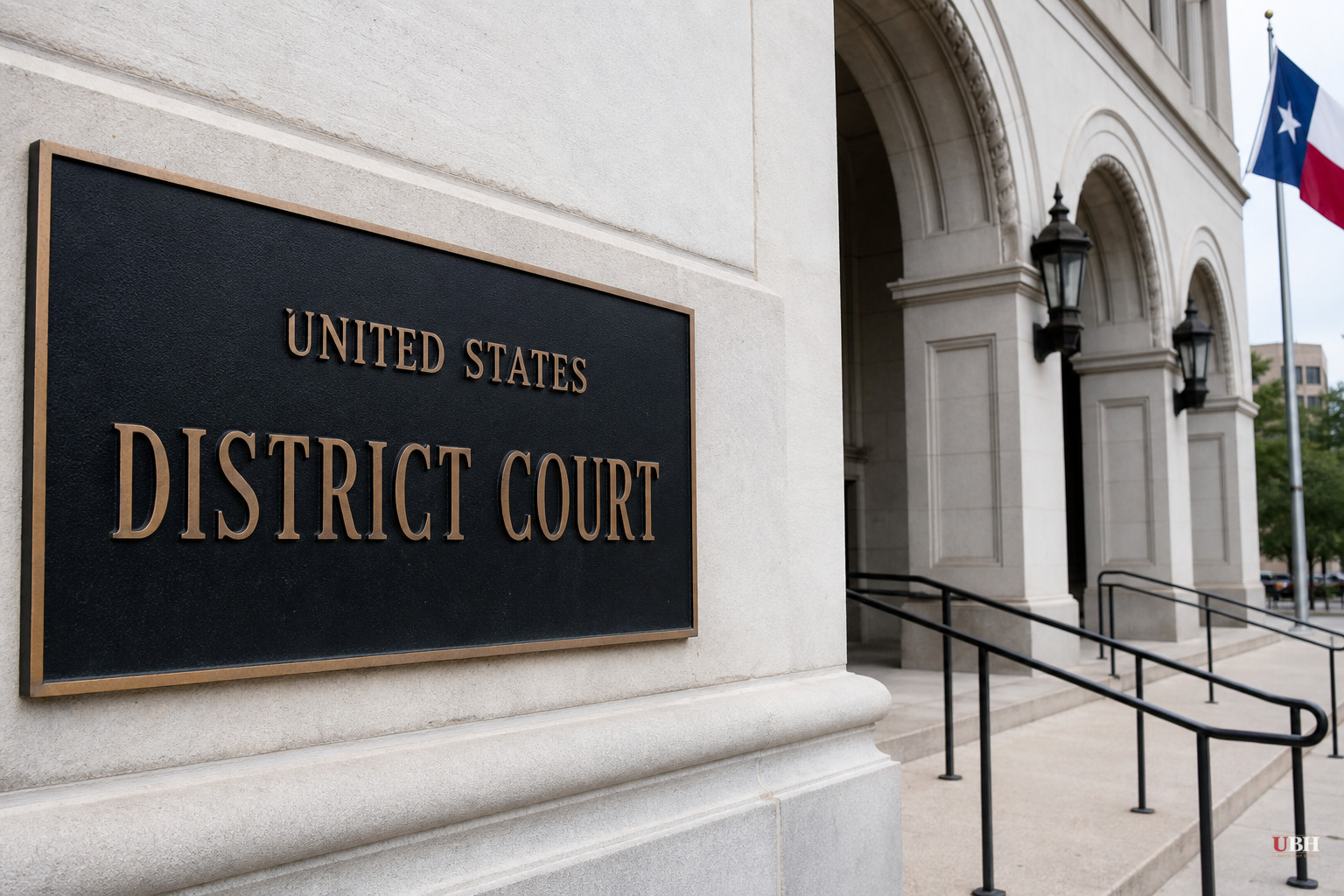
A federal judge in the Northern District of Texas ruled Wednesday that core parts of the National Firearms Act of 1934 are unconstitutional, because Congress zeroed out the tax those provisions were built on.
U.S. District Judge James Wesley Hendrix, a Trump appointee, found that registration and approval requirements for suppressors, short-barreled rifles, and short-barreled shotguns can no longer be justified under Congress's taxing power. The reason: those items now carry a $0 tax, down from the $200 fee in place since 1934.
"Because today's NFA does not generate any revenue from untaxed firearms, its regulatory provisions cannot be upheld under the taxing power," Hendrix wrote in the ruling, according to The Daily Signal and The Reload. "There is no sign in the NFA's text, structure, or statutory history that Congress invoked any other power in crafting the NFA provisions at issue."
How the tax bill set this up
The chain of events starts with the One Big Beautiful Bill Act, the tax and spending package Trump signed into law in 2025. Republicans passed it through the reconciliation process on a party-line vote, according to The Reload. Buried in it was a provision cutting the NFA's manufacturing and transfer taxes on suppressors, short-barreled rifles and shotguns, and a catch-all category called "any other weapon" down to zero, effective January 1, 2026.
Gun-rights groups had pushed to go further and repeal the registration requirement entirely, but couldn't get that through the reconciliation process, The Reload reported. So under the law as written after the OBBBA took effect, someone buying a suppressor still had to register it with the ATF, submit fingerprints and photos, and wait for approval, just to pay a tax bill of zero dollars.
The lawsuit, Silencer Shop Foundation v. ATF, was built around this contradiction. Gun-rights activists filed suit shortly after Trump signed the bill, arguing that if there's no tax being collected, the registration scheme that exists to enforce tax collection has no constitutional leg to stand on.
Who's defending the old law
Trump's own Justice Department and the ATF defended the National Firearms Act in this case, according to The Daily Signal. The administration that signed the tax cut into law was also the one arguing in court that the registration requirements built on that tax should survive. An ATF spokesperson did not respond to The Daily Signal's request for comment.
That defense makes sense institutionally, regardless of who's in the White House. The ATF has run this registration system since 1934, and federal agencies generally defend their existing statutory authority in court, whether or not the administration in charge likes the underlying policy. But Hendrix's ruling is a loss for the position the Trump DOJ actually argued, not a case where the administration got a win it asked for.
The plaintiffs read like a roster of the major gun-rights organizations: Gun Owners of America, the Firearms Policy Coalition Action Foundation, the Citizens Committee for the Right to Keep and Bear Arms, and the Firearms Regulatory Accountability Coalition, among others, according to The Reload. The NRA was also involved. John Commerford, executive director of the NRA Institute for Legislative Action, called it a "historic federal court ruling" in a public statement, crediting the group's lobbying to eliminate the $200 tax for creating "the opening" for the legal challenge.
What the ruling actually does, and doesn't do, right now
Hendrix stayed his own ruling for one week specifically to give the Justice Department time to appeal, The Reload reported. Given that DOJ defended the law in court, an appeal looks likely, though the department hasn't publicly announced its next move as of this writing.
The ruling also only applies to the named plaintiffs in the case, not the general public, according to The Reload. It doesn't mean suppressors are unregulated nationwide starting this week. It means the specific individuals and organizations who sued won a court order exempting them from these NFA registration provisions, at least until an appeals court weighs in.
The legal reasoning traces back to a 1937 Supreme Court case, Sonzinsky v. United States, which upheld the NFA specifically as a tax measure, not a straightforward gun control law. Then-Attorney General Homer Cummings reportedly conceded even in the 1930s that the law would only survive as a tax. Hendrix's opinion leans on that history: if the tax is gone, the constitutional justification built on the tax goes with it.
The open question is what happens on appeal, and whether a circuit court agrees that cutting a tax to zero also strips away the regulatory apparatus built around collecting it. That's a novel legal theory that hasn't been tested above the district court level yet. Until then, the practical effect stays narrow, confined to the plaintiffs in Silencer Shop Foundation v. ATF, while the broader NFA framework remains in place for everyone else.
Sources used for this briefing
2 links from 2 independent newsrooms (syndicated copies of the same report count once)
These are the sources it draws on, linked so you can verify.


